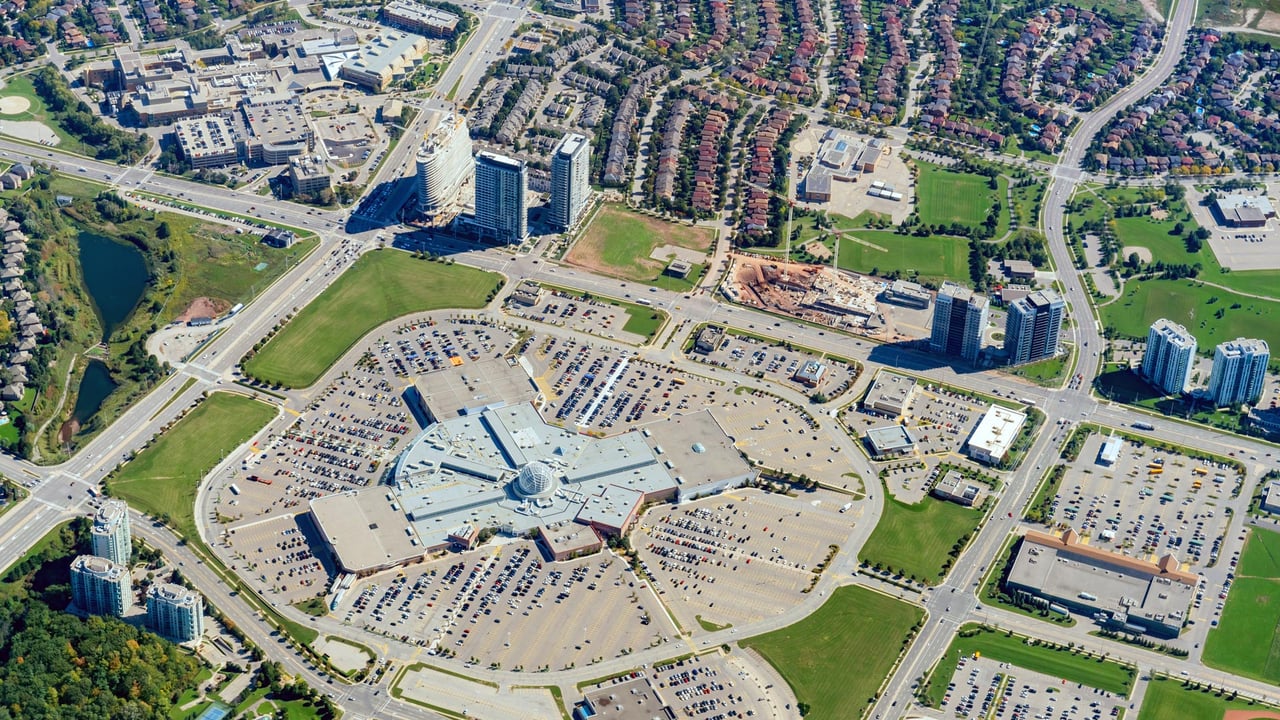
For buyers seeking a balance between urban accessibility and manageable maintenance, high-rise condos are increasingly positioned as an attractive alternative to detached homes or townhouses. Sam McDadi and his team have guided many clients through the decision-making process, offering clear insights based on market conditions, property features, and long-term value.
Condos in Greater Toronto: Market Snapshot
As housing preferences continue to evolve across the Greater Toronto Area, condominium living remains a central part of the conversation—especially for first-time buyers and urban-focused households. While 2025 proved to be a challenging year for the condo segment, it also delivered important lessons about pricing, supply, and buyer leverage.
Condominiums across Greater Toronto experienced a notable correction over the past year. From December 2024 to December 2025, condo and apartment sales declined by 11.2 percent year over year, while average prices fell by 7.3 percent. This adjustment marked one of the more pronounced slowdowns within the broader residential market, reflecting growing affordability pressures, higher borrowing costs earlier in the year, and cautious buyer sentiment.
Yet, this slowdown has also reshaped the market in ways that benefit prospective buyers, particularly those seeking entry-level ownership in well-connected urban areas.
The Greater Toronto Condo Market in 2025
Throughout 2025, the condominium market across Greater Toronto shifted decisively in favour of buyers. Inventory levels rose, competition eased, and pricing expectations became more grounded. While demand softened overall, it did not disappear. Instead, buyers became more selective, more analytical, and less willing to stretch beyond comfort levels.
By year-end, the majority of condo and townhouse transactions were occurring in price ranges between approximately $500,000 and $900,000, while condo apartments tended to transact between roughly $400,000 and $800,000. These ranges increasingly defined the market’s “sweet spot,” particularly for first-time buyers and downsizers who had previously been priced out of the market.
Mid-year trends further illustrated this recalibration. In the third quarter of 2025, condominium apartment sales increased modestly compared to the same period in 2024, despite active listings continuing to outpace sales growth. This imbalance kept supply elevated and reinforced buyer negotiating power, particularly in buildings with higher standing inventory.
What became clear is that 2025 was not about collapse, but correction. The market adjusted to economic uncertainty, affordability constraints, and shifting expectations, creating conditions that are now more balanced than they have been in several years.
Why Condo Inventory Increased — and Why That Matters
One of the defining features of the 2025 condo market was the rise in available inventory. As sales slowed and new supply continued to come online from projects launched years earlier, buyers were presented with more choice than they had seen in some time.
This increase in supply had several effects. Sellers became more flexible on price, terms, and conditions. Buyers gained the ability to compare units across multiple buildings rather than competing aggressively for limited options. The days on market lengthened, giving purchasers time to conduct thorough due diligence and negotiate thoughtfully.
For first-time buyers in particular, this environment marked a shift. Instead of reacting quickly to secure a foothold in the market, buyers should assess factors such as floor plans, building management, maintenance fees, and long-term suitability, all of which are critical to sustainable ownership.
Affordability, Pricing, and the First-Time Buyer Window
The price declines seen in 2025, combined with improved borrowing conditions toward the end of the year, have quietly enhanced affordability in the condo segment. Lower average selling prices have reduced the financial barrier to entry, especially in transit-connected urban centres across Toronto, Mississauga, and other GTA municipalities.
This affordability dynamic is especially relevant for buyers considering condos as a first step into homeownership. While renting remains relatively competitive due to softer rental growth, ownership now offers a more straightforward long-term pathway for equity building, particularly for buyers who prioritize location, transit access, and future appreciation.
Approved affordability, rather than speculative growth, is shaping buyer decisions heading into 2026. Those who enter the market with realistic expectations and a medium- to long-term outlook may find today’s pricing environment more forgiving than in previous cycles.
Long-Term Outlook: Transit, Density, and Future Value
Despite the near-term softness experienced in 2025, the long-term fundamentals supporting condominium ownership in Greater Toronto remain intact. Continued population growth, limited land availability, and a sustained focus on urban intensification all point toward ongoing demand for vertical housing.
Major transit investments (including LRT expansions, GO network improvements, and subway extensions) are expected to enhance connectivity across the region. Historically, properties located near completed transit infrastructure have benefited from increased demand and value appreciation once projects move from construction to operation.
For buyers purchasing during a period of market adjustment, this creates a compelling setup: acquiring assets at more conservative price levels ahead of infrastructure completion and renewed demand.
Balancing Optimism With Practical Considerations
It’s essential to recognize that not all renters will feel an immediate pressure to transition into ownership. Softer rental conditions may reduce urgency for some households in the short term. However, for buyers with stable employment, long-term plans, and a desire for equity growth, current condo market conditions present a strategic entry point rather than a risk-laden gamble.
As confidence gradually rebuilds and economic clarity improves, the pent-up demand that paused in 2025 is likely to re-emerge. When that happens, today’s inventory-heavy, buyer-friendly environment may look markedly different.
Final Thoughts
2025 reshaped the Greater Toronto condo market by slowing momentum, correcting prices, and restoring balance. While the year brought challenges, it also created breathing room, especially for first-time buyers who had long struggled to find opportunity.
With more inventory, improved affordability, and future-oriented infrastructure investments on the horizon, the condo segment is no longer defined solely by competition and scarcity. Instead, it offers choice, leverage, and long-term potential for buyers who approach it with clarity and a patient mindset.
Sam McDadi Real Estate: Buying a High Rise Condo with Confidence
If you're exploring the benefits and considerations of buying a high-rise condo in Mississauga, working with a knowledgeable local expert makes all the difference.
Sam McDadi and his experienced team provide honest, data-driven guidance tailored to your goals. Whether you're an investor, downsizer, or urban professional, their insight into condo developments, amenities, and market trends ensures you make a confident, informed decision.
To begin your search or receive expert advice tailored to your needs,
contact Sam McDadi today and take the first step toward your ideal high-rise condo in Mississauga.