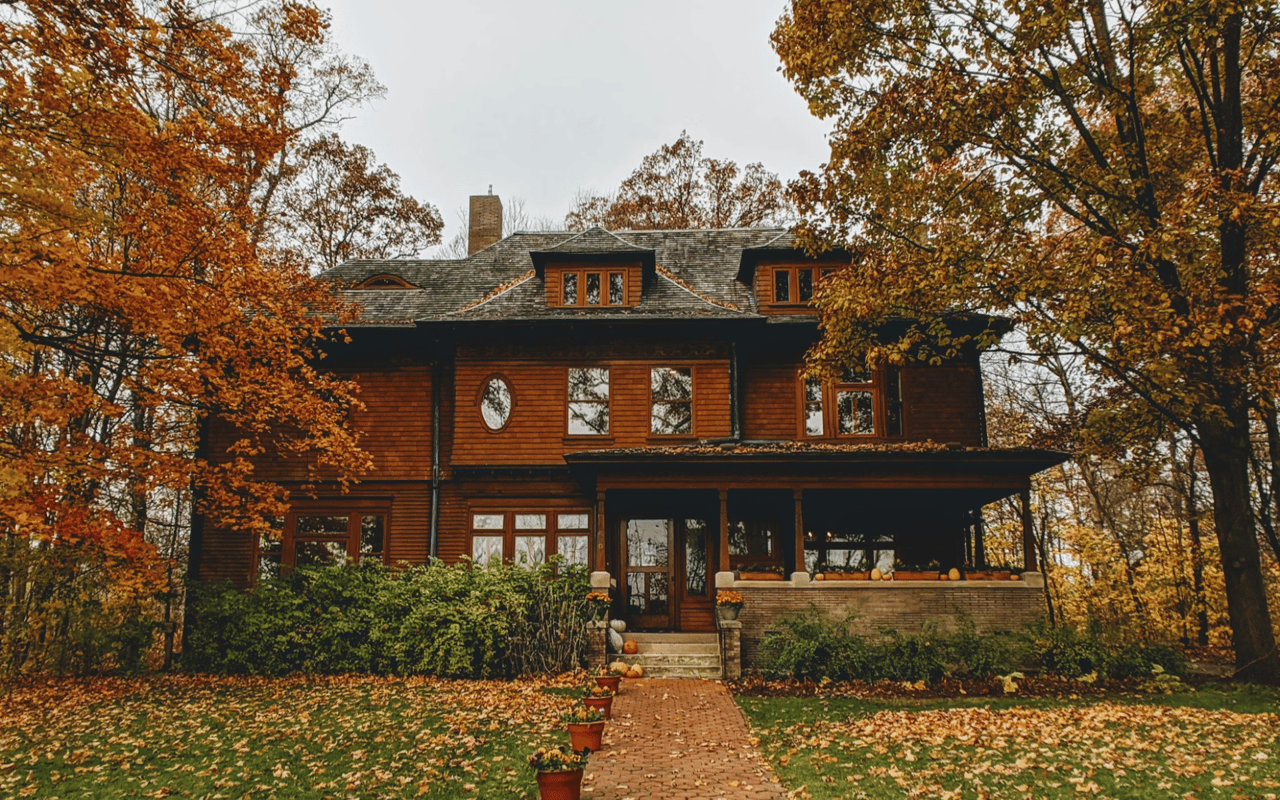
Historic homes offer a rare blend of timeless character and architectural craftsmanship, making them an appealing option for buyers who value charm and a deep connection to the past. In Mississauga, areas such as Old Meadowvale Village, Streetsville, and portions of Port Credit feature beautifully preserved heritage homes, each telling its own story through original materials, period details, and longstanding community roots. However, buying a historic home involves more than appreciating vintage aesthetics. It also requires a strategic understanding of maintenance obligations, municipal restrictions, and market conditions.
For prospective buyers drawn to the charm of early 20th-century or even 19th-century residences, there are important considerations that will affect both the immediate purchase and long-term enjoyment of the home. Sam McDadi and his team often work with clients navigating the nuances of heritage properties, offering essential guidance on how to assess value while respecting the unique character and requirements of historic districts.
Why Mississauga Is Ideal For Historic Homebuyers
Mississauga is more than just a modern suburban setting; it's a mosaic of long-standing communities, home to some of the most treasured historic properties in Ontario. These historic buildings reflect a different era in architecture, design, and artistic detail. Walking through these streets feels like traveling back in time, with lovingly preserved homes standing alongside tree-lined avenues and local landmarks.
Beyond their visual appeal, historic homes in Mississauga offer a unique lifestyle. Many of these properties are located in elegant areas with established shops, cafés, and parks, giving you the charm of small-town living with the convenience of many amenities. You’ll find homes with large lots, mature trees, and original features like wood-burning fireplaces, decorative moldings, and stained-glass windows. These elements create a sense of warmth and character that’s hard to replicate.
Understanding Historic Designation in Mississauga
Mississauga has a number of heritage conservation districts designated under the Ontario Heritage Act. These areas, including Old Meadowvale Village and designated parts of Streetsville, are protected for their cultural, architectural, and historical significance. If a home is classified as a “designated heritage property,” it means any changes to its exterior appearance, including renovations, additions, or demolition, may be subject to approval by the Heritage Advisory Committee and municipal planning staff.
The City of Mississauga maintains an online Heritage Register where buyers can verify if a property falls under heritage regulation. Knowing this in advance is crucial, as it influences everything from budget planning to renovation flexibility. Anyone seriously considering buying a historic home in these areas should begin by understanding the limits and responsibilities that come with heritage designation.
The Allure of Architectural Detail and Craftsmanship
One of the most compelling reasons for buying a historic home is the design integrity and craftsmanship rarely replicated in modern construction. Features such as hand-carved woodwork, leaded-glass windows, original hardwood floors, and unique masonry styles offer aesthetic and historical value. In heritage neighbourhoods like Port Credit, these elements are part of what makes the community distinct and desirable.
Buyers should be prepared, however, for the challenges of maintaining these original features. Restoring or preserving period-specific materials may involve custom work, skilled trades, and potentially higher costs than modern alternatives. While these expenses may be worthwhile for those passionate about architectural preservation, they should be factored into both the purchase budget and ongoing maintenance planning.
Renovation Limitations and Approval Processes
Many buyers enter the historic market with renovation ideas, whether it’s updating the kitchen, expanding the living space, or improving energy efficiency. In heritage districts, such changes must align with the guidelines established by the city’s heritage planning office. Even seemingly simple exterior alterations, such as replacing windows or repainting in a new colour, may require formal applications and committee review.
Interior changes generally fall outside the scope of most heritage regulations unless the interior has also been designated, which is less common. Still, it's advisable to work with architects and contractors experienced in heritage properties to ensure upgrades are executed in a way that maintains historical integrity and satisfies any regulatory conditions.
Buyers should also ask whether the home has undergone previous restorations and request documentation or permits that confirm compliance with city requirements. Working with a knowledgeable real estate professional can help streamline this due diligence process.
Utility Costs, Energy Efficiency, and Structural Integrity
Older homes tend to have higher heating and cooling costs due to less efficient insulation, original windows, and legacy HVAC systems. Some historic homes may have knob-and-tube wiring or oil heating systems, which require upgrading for both safety and insurance eligibility. Replacing these systems while maintaining the structure’s historical accuracy is often complex and requires coordination with heritage planners.
Before buying a historic home, a full home inspection by a professional experienced in heritage structures is essential. This should include assessments of the foundation, roof, plumbing, electrical, and any visible signs of water damage or structural shifting. Some historic homes may also include materials that are no longer code-compliant, such as lead-based paint or asbestos, which can be costly to remediate.
In many cases, buyers will need to invest in upgrades to meet modern standards without compromising the home’s character. Understanding these costs upfront helps avoid unexpected expenses and supports long-term ownership satisfaction.
Insurance and Financing Considerations
Securing insurance for a designated heritage home may come with additional scrutiny. Insurers often require documentation that the home is up to current safety standards and that any renovations have been approved through the proper heritage channels. Premiums can be slightly higher, especially if the property has older systems or unique materials that are more expensive to replace.
Financing may also differ slightly, depending on the condition of the home. Lenders may require a higher down payment or additional appraisals if the property is considered to have structural deficiencies or costly maintenance needs. Working with a mortgage advisor familiar with heritage properties is beneficial when navigating these requirements.
Despite these complexities, buyers should remember that the resale value of a well-maintained historic home often remains strong. Heritage homes in Streetsville and Old Meadowvale Village, for example, continue to draw buyer interest for their irreplaceable character and the timeless appeal of their neighborhoods.
Community and Cultural Value
Another benefit of buying a historic home is the sense of place and community that often comes with heritage neighborhoods. These areas tend to be tightly knit, with active residents' associations, heritage walking tours, and events that celebrate the neighborhood’s history. Living in such a setting often fosters a deeper connection to local culture and a shared commitment to preserving the area’s uniqueness.
Mississauga’s historic districts also benefit from mature trees, walkable streets, and proximity to independent shops, parks, and schools. In areas like Streetsville, buyers enjoy the best of both worlds: a village atmosphere with easy access to the conveniences of modern city life.
It’s important for buyers to consider whether they’re aligned with the values of heritage preservation and ready to embrace the responsibilities that come with owning a piece of local history. For those who are, the lifestyle can be deeply rewarding.
Décor and Design: Honouring Character While Reflecting Your Style
One of the most captivating features of a historic home is its distinctive character. The intricate mouldings, original hardwood floors, unique fireplaces, and vintage built-ins are not just reminders of the past; they set the stage for your personal design vision.
When you move into a property with so much history, there is a unique opportunity and responsibility to honour its original design while ensuring your living spaces feel like home.
Finding the right balance between preserving period details and adding modern touches takes thoughtful planning. You might choose to accentuate original features with classic colours or vintage-inspired wallpaper. On the other hand, you could create contrast by adding streamlined, contemporary furnishings that highlight the intriguing architectural details.
Lighting is another consideration; vintage fixtures can set an inviting tone, while well-placed modern lighting can showcase beautiful details you want to showcase. Use lighting creatively to bring out textures, highlight mouldings, or draw attention to unique architectural features.
Making the Right Decision for Your Goals
Ultimately, the decision to purchase a heritage home should balance emotional appeal with practical realities. Buyers who are drawn to the character, location, and cultural value of these properties will find the experience uniquely fulfilling, but only if they enter with realistic expectations around costs, approvals, and maintenance requirements.
Partnering with a real estate professional who has experience in Mississauga’s historic districts can make all the difference. From identifying suitable listings and arranging specialized inspections to navigating permit processes and negotiating with insight, local expertise is essential in this specialized market segment.
Sam McDadi Real Estate: Buying a Historic Home with Confidence
For those considering buying a historic home in Mississauga, trusted guidance from an experienced local real estate team is essential.
Sam McDadi and his knowledgeable agents offer comprehensive support through every step of the process, from identifying properties with true heritage value to navigating the unique considerations of ownership. Their deep familiarity with neighborhoods like Streetsville, Port Credit, and Old Meadowvale Village ensures that clients receive tailored insights that respect both personal goals and historical integrity.
To begin your search for a one-of-a-kind heritage property,
contact Sam McDadi today and explore the possibilities of owning a truly timeless home.