You’ve found the home that checks all your boxes: the curb appeal draws you in, the interior layout feels just right, and you can already picture your favorite armchair by the window. But before you make one of the most important financial decisions of your life, there’s one critical step that deserves your full attention: the home inspection. This is where emotional excitement meets practical due diligence.
A home inspection is far more than a technicality. It’s your opportunity to peel back the surface and uncover the truth about the property — the kind of truth that photos, staging, and even enthusiastic showings can’t reveal. Whether the property is ten years old or a century, the inspection provides a comprehensive look at how well it’s been maintained, what’s working as intended, and what may cost you down the line. Before you sign on the dotted line, this step gives you clarity, confidence, and the insight to make an informed decision.
Why A Home Inspection is Critical
It’s easy to fall in love with a home at first sight, but what you see on a tour is just the beginning. Behind freshly painted walls, upgraded appliances, and pristine landscaping could be aging systems, outdated wiring, foundation cracks, or hidden moisture issues. A home inspection is your only chance to catch these red flags before they become your responsibility.
The real value lies in what the inspection protects you from, like unexpected expenses, buyer’s remorse, and unnecessary stress. Imagine moving into your dream home only to discover that the HVAC needs replacing, the roof leaks every time it rains, or the electrical panel isn’t up to code. With a thorough inspection, you gain the ability to step back, assess the risks, and decide whether the property still makes sense for your budget and goals.
There’s also negotiating power at stake. If issues are uncovered, you can work with your agent to request repairs, credits, or price adjustments. The report gives you leverage in a competitive market and allows you to enter the purchase with eyes wide open. Instead of relying on guesswork, you’ll have solid facts to guide your decision-making.
What’s Included In A Professional Home Inspection
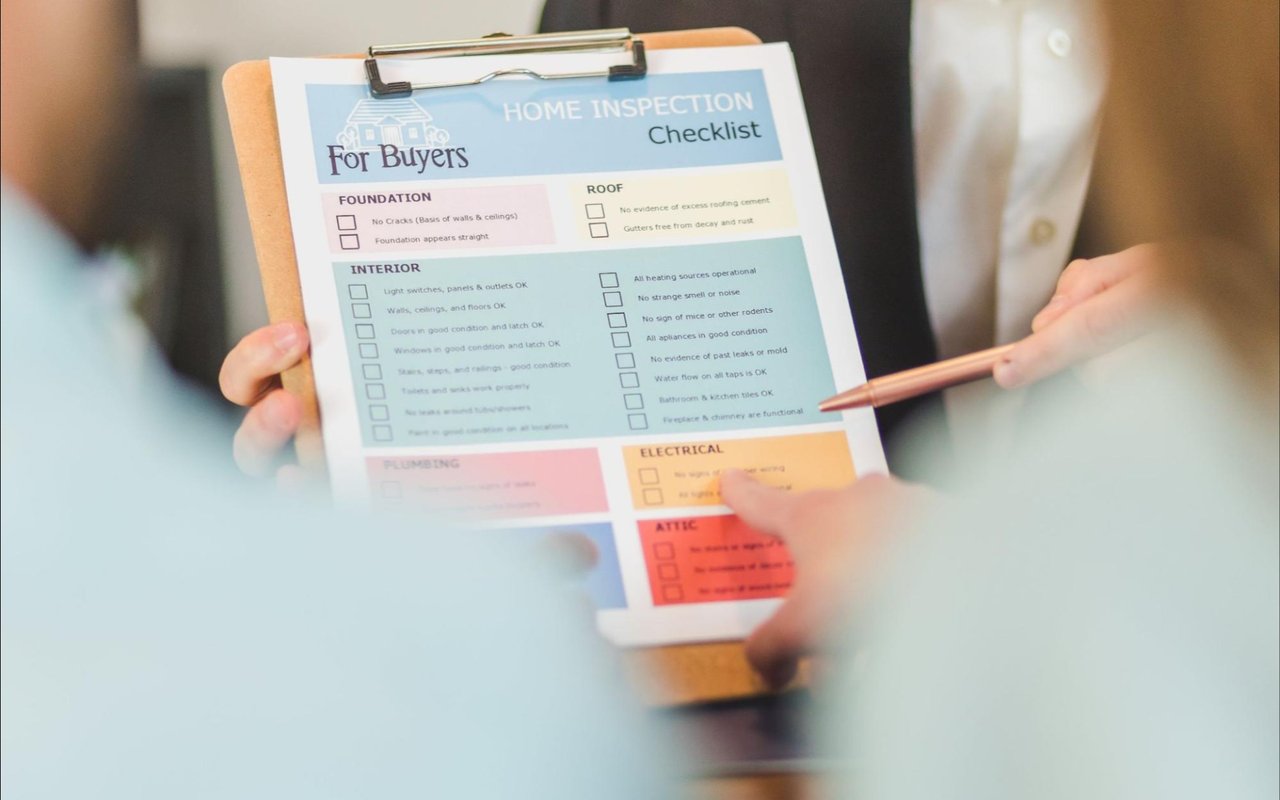
A standard home inspection involves a top-to-bottom evaluation of the home’s visible components, both inside and out. A licensed inspector will methodically examine the structure, roof, foundation, electrical systems, plumbing, HVAC, doors, windows, insulation, and drainage. While they won’t cut into the drywall or open up systems, they will document signs of deterioration, damage, or potential safety issues.
You can expect the inspector to check for water damage, structural weaknesses, loose or exposed wiring, corrosion, outdated components, and evidence of pests. They'll test light switches, run faucets, flush toilets, open windows, and inspect the water heater and appliances. Their trained eye can detect subtle clues, like cracks around the windows or stains on the ceiling, that point to larger problems underneath.
After the walkthrough, you’ll receive a detailed report outlining the findings. The report typically includes annotated photos, summaries, and recommendations for repairs or follow-up inspections. While the report may look overwhelming at first, remember that not all issues are urgent. Your job is to distinguish between routine maintenance and more significant concerns that need addressing before closing.
The Best Time To Schedule Your Inspection
Timing is critical. Once your offer is accepted, you enter the due diligence period, a window of time wherein you can evaluate the property before moving forward. This is when you schedule your inspection, and the sooner you complete it, the more time you’ll have to assess the results and take action if needed.
Inspections typically take two to four hours, depending on the size and complexity of the property. If possible, you should attend, as being there allows you to ask questions, see problems firsthand, and more thoroughly understand the home’s condition. It also helps you get acquainted with how things work, like the breaker panel, shut-off valves, or ventilation.
Before the inspection, prepare a list of any concerns you noticed during your initial walkthrough. Whether it’s a discolored patch on the ceiling, a wobbly handrail, or a window that won’t open, your input helps the inspector focus on specific areas.
How To Use Your Inspection Report Strategically
Once the inspection is complete, you’ll receive a written report that outlines every issue found during the walkthrough. This report is your decision-making blueprint. Go over each section carefully and highlight any items of concern.
Depending on the findings, you may have several options. You can ask the seller to make specific repairs, request a closing credit to offset future costs, renegotiate the purchase price, or walk away from the transaction. The strategy will depend on the severity of the issues found, the competitiveness of the market, and your personal comfort level with repairs.
Keep in mind that the report isn’t meant to scare you away. Its purpose is to provide clarity. By using the report as a tool rather than a verdict, you maintain control over the next steps in your journey.
Make Every Step Count
A home inspection is not just a formality. It’s your opportunity to slow down, look beneath the surface, and make sure the home you’re buying truly fits your expectations and your future. When done correctly, the inspection process gives you valuable insight, leverage, and peace of mind. It turns uncertainty into confidence and allows you to move forward with clarity instead of doubt.
Whether you’re buying your first home or your fifth, taking the time to inspect thoroughly is one of the smartest moves you can make. It empowers you to protect your investment, negotiate wisely, and step into your new home without second-guessing what might be waiting behind the walls.
Team McDadi is ready to help you achieve all your homeownership goals in the Greater Toronto Area. From inspections to the closing table, the team is by your side, offering pre-listing home inspections, buyer home inspections, and access to trustworthy professionals you can count on at every turn, from moving services to mortgage advisors. Connect today to begin.