656,480 people live in Brampton, where the median age is 36 and the average individual income is $124,500. Data provided by Statistics Canada.
Total Population
Median Age
Population Density Population Density This is the number of people per square mile in a neighborhood.
Average individual Income
Brampton earned the nickname "The Flower City" from a greenhouse industry that once made it one of the largest cut-flower producers in North America. Very little of that horticultural economy remains, but the name stuck, and it still tells you something about how quickly this place reinvents itself. Sitting in Peel Region directly northwest of Toronto, Brampton has gone from a farming town to one of Canada's fastest-growing cities in roughly two generations.
What defines Brampton today is its people. It is among the most culturally diverse cities in the country, with a large and deeply established South Asian community alongside significant West Indian, Filipino, and Caribbean populations. That diversity is not a line in a municipal brochure — it shapes the grocery stores, the restaurant corridors, the festival calendar, and the housing itself. Multi-generational households are common here, which is precisely why Brampton's housing stock skews toward larger homes with extra bedrooms, second kitchens, and finished lower levels.
The city is also young. The median age sits well below the provincial average, and that shows up in the market: a high share of first-time buyers, strong demand for family-sized homes, and a rental market with real depth behind it. For buyers deciding between Brampton and its neighbours, the practical trade-off is straightforward. You give up some of the polish and walkability of central Mississauga or Toronto, and in exchange you get meaningfully more square footage, a larger lot, and a shorter path to ownership.
Brampton has settled into balanced territory. After the steep run-up of the pandemic years and the correction that followed, the market now behaves the way a normal market should: homes take a reasonable amount of time to sell, buyers have room to negotiate, and conditional offers are accepted again rather than laughed out of the room.
The headline figures put the citywide average home price in the range of $850,000 to $885,000, with properties averaging 30 to 35 days on market and a sale-to-list ratio near 96 to 97 percent. Inventory hovers around four to five months of supply, which is the technical definition of balance and, in practical terms, means neither side holds all the leverage.
Because "average price" flattens a lot of important differences, here is how the segments actually break down:
Property Type | Typical Range |
|---|---|
Detached | $1,020,000 – $1,180,000 |
Semi-detached | $775,000 – $820,000 |
Freehold townhome | $730,000 – $790,000 |
Condo townhome | ~$570,000 |
Condo apartment | $435,000 – $500,000 |
Two patterns matter more than the numbers themselves. First, homes with legal secondary suites consistently command a premium, and the premium is rational — rental demand in Brampton is strong enough that a compliant basement unit measurably changes a buyer's carrying costs. Second, demand has concentrated in the northwest of the city and in Credit Valley, where newer construction, transit access, and well-regarded school catchments overlap. Older central pockets have not fallen behind so much as they have simply moved at a different pace, which is where value tends to hide.
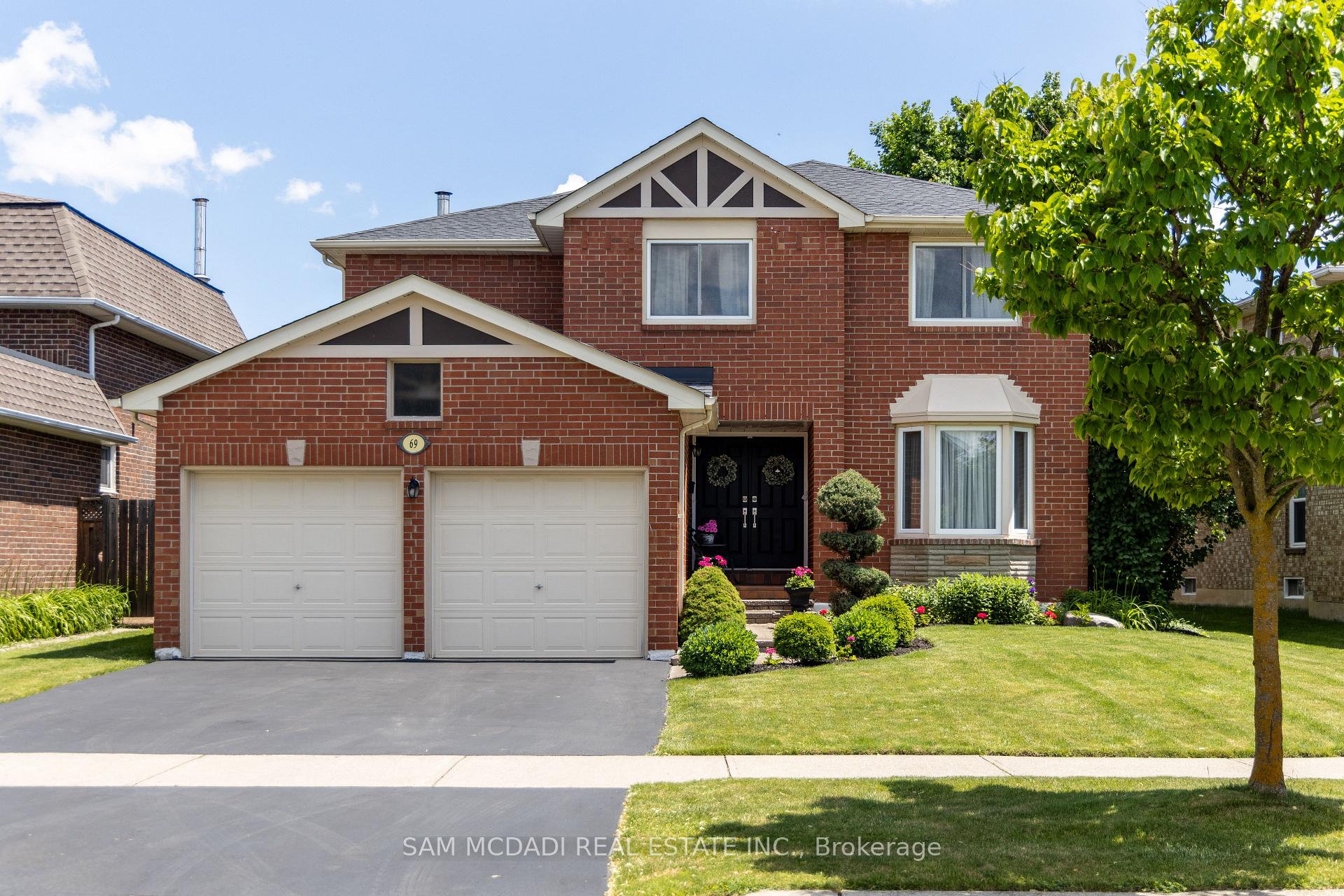
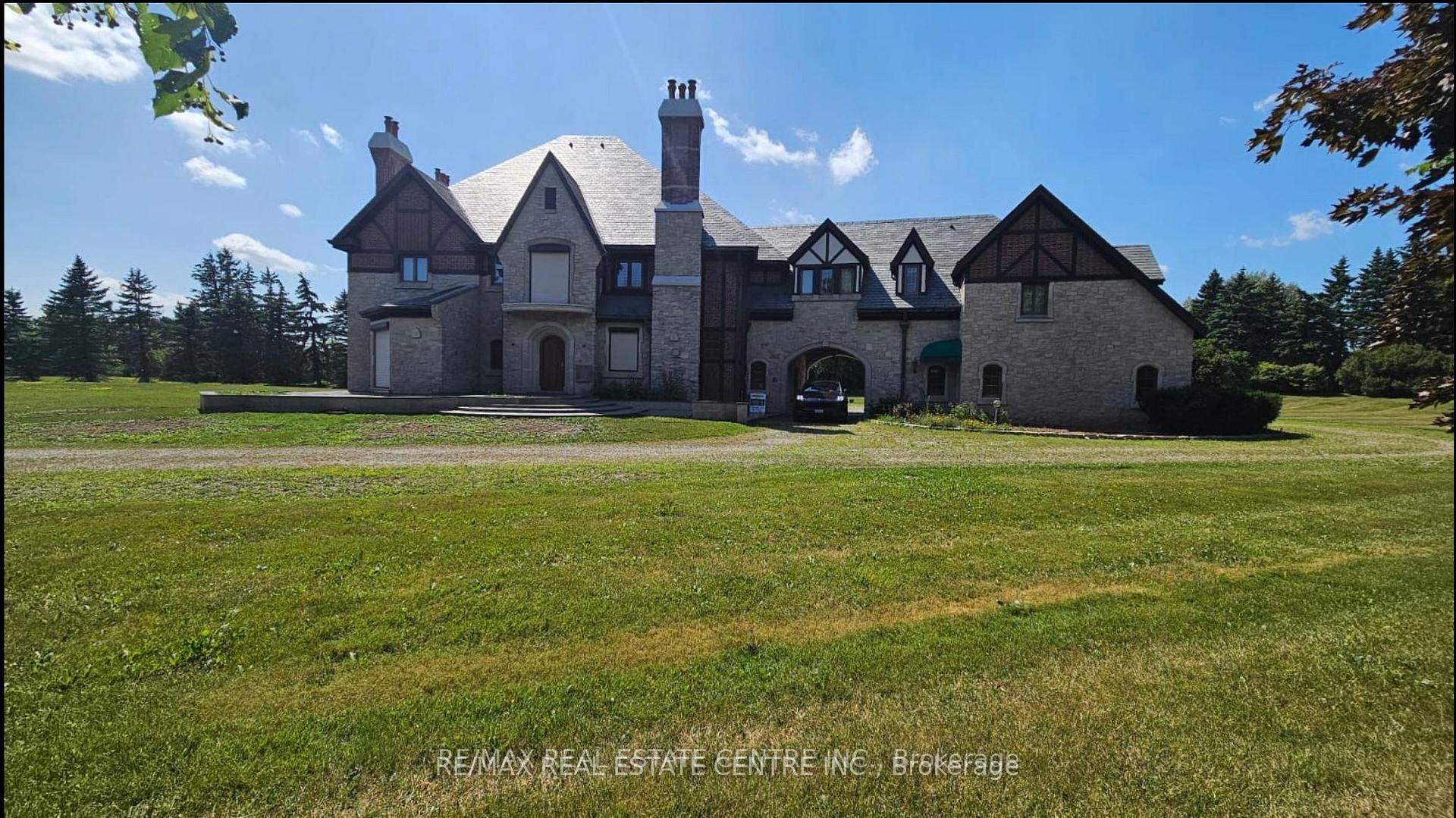
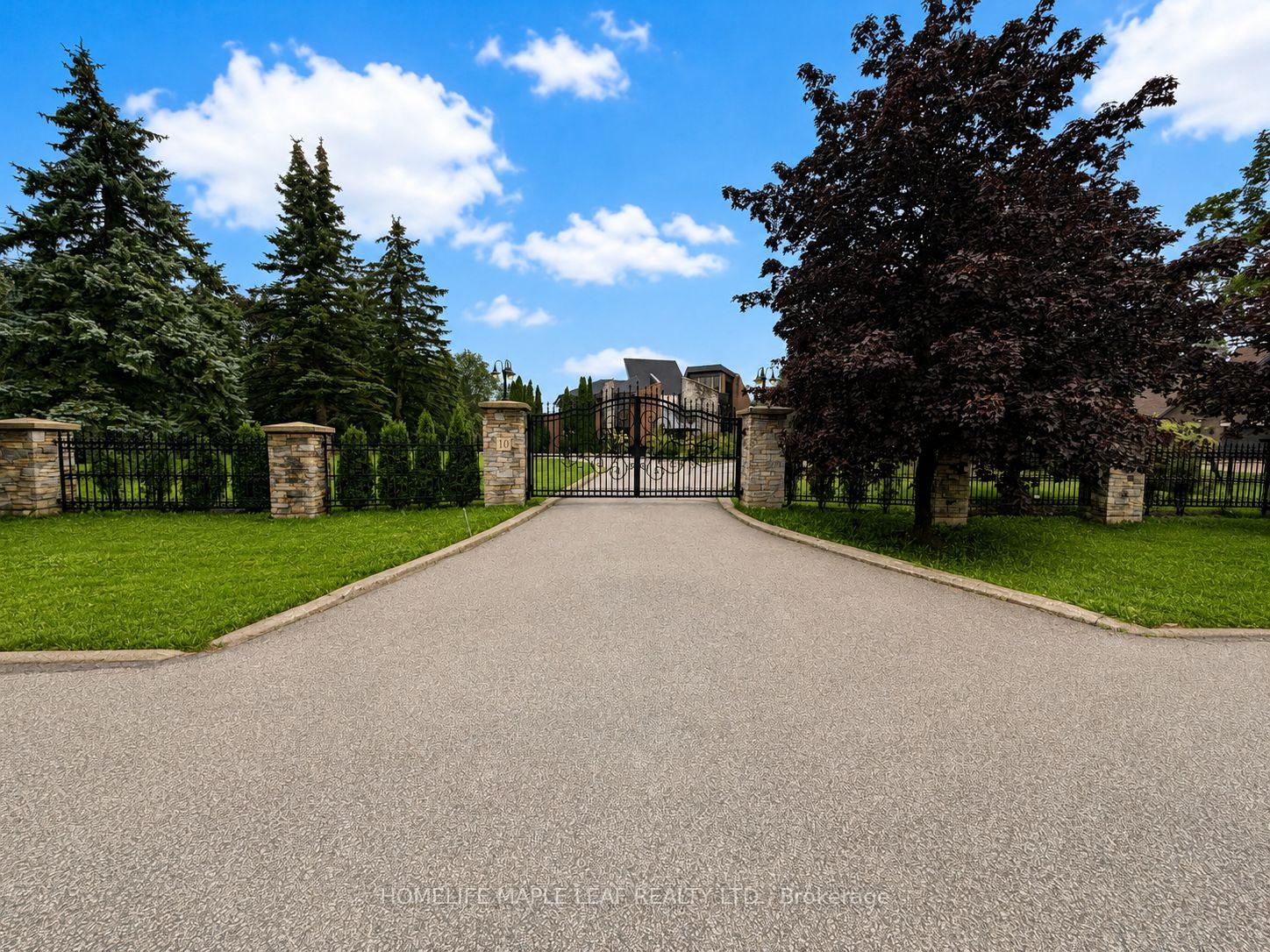
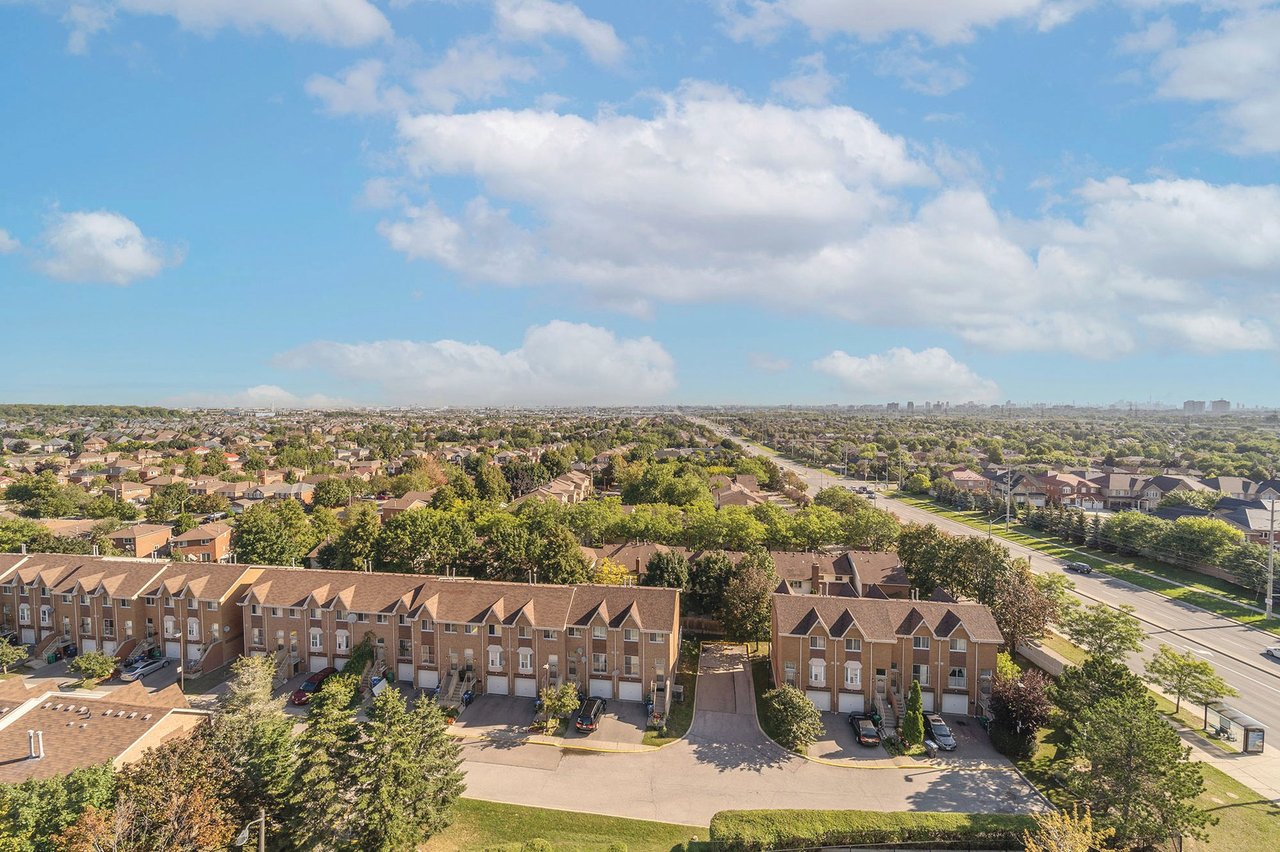
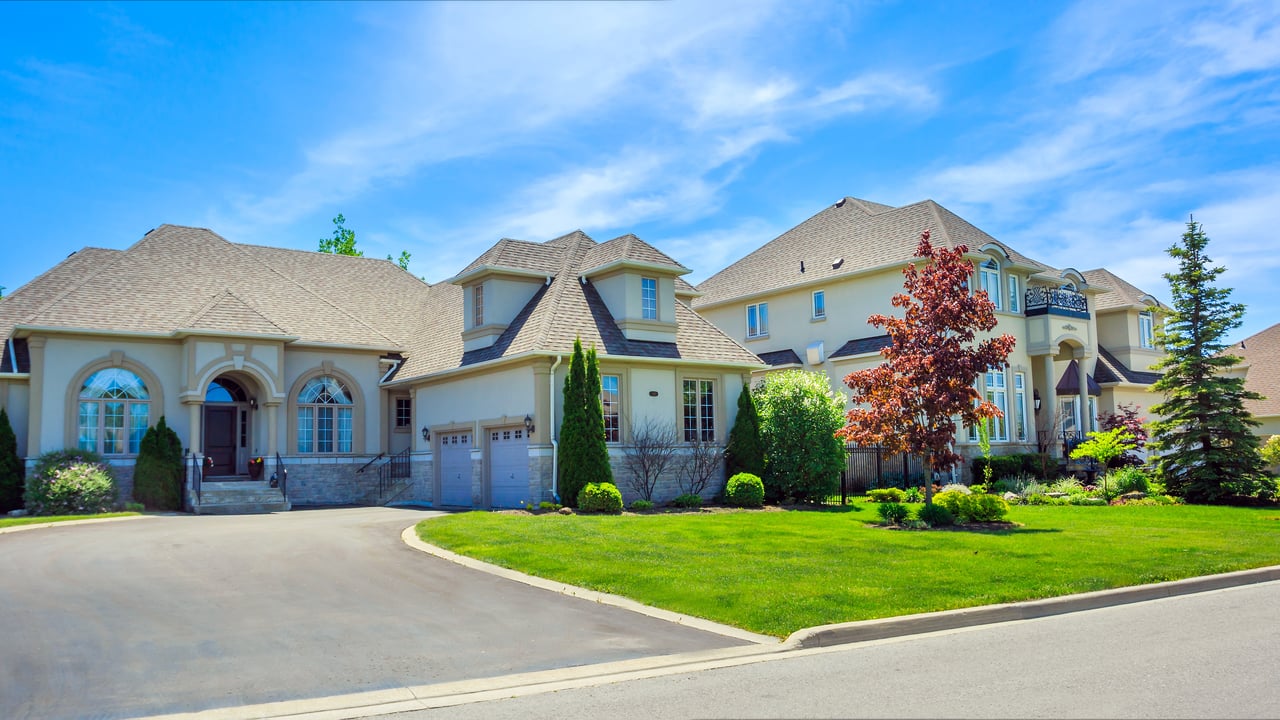
Detached homes dominate. They make up well over half of owner-occupied housing in Brampton, and the range within that single category is wider than most buyers expect. At one end sit modest post-war and 1960s bungalows on generous central lots. At the other end are 4,000-plus square foot custom builds in Castlemore with triple garages and circular drives. Between them is the workhorse of the Brampton market: the two-storey brick detached home, three to five bedrooms, built somewhere between 1990 and today.
Semi-detached homes are the city's most important middle rung. Sharing a single wall, they still deliver a private yard, a ground-level entrance, and a full basement — the things families actually use — while landing well below detached pricing. For buyers who want single-family living and cannot justify the jump past a million dollars, this is usually where the conversation lands.
Freehold townhomes carry no monthly maintenance fees and include ownership of the land beneath the structure, which distinguishes them sharply from condo townhomes despite the near-identical appearance. They cluster in master-planned communities like Mount Pleasant and Springdale. Condo townhomes trade that land ownership and fee-free status for exterior maintenance and shared amenities, and they price accordingly.
Condo apartments remain the entry point. Brampton's high-rise stock is concentrated near transit — downtown around Brampton GO and in the Bramalea corridor — and while the city has nothing resembling Mississauga's City Centre skyline, downtown intensification is steadily changing that.
Brampton is large enough that "buying in Brampton" is not a meaningful statement on its own. The eight areas below cover most of what buyers are actually choosing between.
Neighbourhood | Era | What Defines It |
|---|---|---|
Springdale | 1990s–2000s | Dense suburban grid of two-storey brick homes and semis, with strong school access and a remarkable concentration of places of worship serving the community. |
Mount Pleasant | 2010s–present | Master-planned and transit-oriented, built around Mount Pleasant GO with a public square, library, live-work units, and modern townhomes. |
Bramalea | 1960s–1970s | One of Canada's first fully planned communities, organized into lettered sections. Mature trees, larger lots, and the city's main mall and GO station. |
Heart Lake | 1970s–1980s | Northern, nature-forward, built around Heart Lake Conservation Area and Loafers Lake with extensive trail access. |
Credit Valley | 2000s–present | Western Brampton's premium address. Wide-lot detached homes, upgraded finishes, top-ranked schools, Credit River valley at the doorstep. |
Castlemore | 2000s–present | Executive estates in the northeast. Custom builds, multi-car garages, large lots, near Claireville Conservation Area. |
Peel Village | 1950s–1960s | Mid-century south-central pocket. Raised bungalows and split-levels on wide frontages with deep yards and mature canopy. |
Downtown | 1800s | The historic civic core, mixing Victorian heritage buildings with new condo development around the GO station. |
If you are weighing these against one another, the honest shorthand is this: Mount Pleasant and Bramalea if the commute rules your decision, Credit Valley and Castlemore if space and finish quality do, Springdale and Heart Lake for family life at a more accessible price, and Peel Village if you want a lot you cannot buy new anywhere in the GTA.
Downtown Brampton radiates from the intersection of Main and Queen — the "Four Corners" — and it is the part of the city most people underestimate. The core retains genuine nineteenth and early twentieth-century architecture, including the 1888 Romanesque Revival Dominion Building with its clock tower and the 1922 Heritage Theatre. The Peel Art Gallery, Museum and Archives occupies the former 1867 Peel County Courthouse and Jail, which is a considerably more interesting building than the phrase "regional archive" suggests.
Gage Park, opened in 1902, is the anchor. It hosts summer concerts and, in winter, a circular skating trail that draws people from across the region. The 868-seat Rose Theatre sits a block away and carries the city's performing arts programming.
For buyers, the relevant story downtown is the Riverwalk Project. This is a major municipal flood-mitigation initiative along Etobicoke Creek, and its practical effect is to unlock development capacity that flood-plain designation had frozen for decades. It is the single largest variable in downtown Brampton's next ten years, and it is worth understanding before you buy or sell in the core.
Brampton is served by three stations on the Kitchener GO line — Mount Pleasant, Brampton GO downtown, and Bramalea. Express rush-hour trains reach Union Station in roughly 40 to 50 minutes, with off-peak and weekend service supplemented by GO buses. Proximity to one of these three stations is, in my experience, the amenity that moves resale value most reliably in Brampton.
Locally, Brampton Transit's Züm bus rapid transit network does real work. Züm 501 runs along Queen Street to Vaughan Metropolitan Centre and a direct TTC subway connection. Züm 502 runs down Main Street to Square One in Mississauga. Züm 505 and 511 handle east-west movement across Bovaird and Steeles.
By car, Highway 410 is the north-south spine through the middle of the city, feeding into the 401 and 403 at its southern end. Highway 407 ETR runs along the southern border and offers fast tolled east-west travel — budget for it honestly if you plan to use it daily. The 401 sits along the southern perimeter.
The airport advantage deserves a specific mention. Brampton borders Toronto Pearson, putting most neighbourhoods 15 to 25 minutes from the terminals by car. GO Bus Route 115 connects Bramalea GO to Terminal 1 in under 25 minutes. For anyone in aviation, logistics, or a job that involves frequent flying, this is a genuine and underpriced benefit.
Two publicly funded boards operate here. The Peel District School Board runs more than 100 elementary and secondary schools in Brampton, with regional specialty programming that includes French Immersion, International Baccalaureate, Advanced Placement, and SciTech streams. The Dufferin-Peel Catholic District School Board delivers faith-based education alongside the standard Ontario curriculum, French Immersion, and Specialist High Skills Major programs.
On the post-secondary side, Sheridan College's Davis Campus at Steeles and McLaughlin is Sheridan's largest, concentrated in applied health, community studies, engineering sciences, applied computing, and skilled trades. Algoma University's Brampton Campus sits downtown in the Innovation District on Queen Street East, offering degrees in computer science, business administration, economics, psychology, and social work.
For buyers, the practical note is that specialty programs are regional rather than strictly catchment-bound, so a home outside a given school's boundary may still provide access. Verify individual school boundaries before assuming — they are redrawn more often in fast-growing cities than buyers expect.
Brampton has expanded aggressively without surrendering its green corridors, and the parks system is better than the city's suburban reputation implies.
Donald M. Chinguacousy Park is the flagship — roughly 100 acres in the centre of the city with a mini ski and snowboard hill, a tropical greenhouse, a petting zoo, beach volleyball courts, a track and field stadium, a splash pad, and a paved skatepark. Few municipal parks in Ontario do that much in one footprint.
Gage Park downtown is the historic counterpart, valued for its mature trees, gazebo, summer concert series, and winter skating trail. Heart Lake Conservation Area in the north, managed by the TRCA, offers tree-top trekking and zip-lining, kayak and boat rentals, fishing, a pool, and forest trails circling the lake.
Connecting much of this is the Etobicoke Creek Trail, a continuous paved north-south route running through central Brampton and linking parks, ravines, and the downtown core — the backbone for cyclists and long-distance walkers. Along the western edge, the Credit River trail system provides natural valley terrain, fly-fishing access, and quieter bird-watching ground.
Bramalea City Centre is the retail anchor and the fifth-largest enclosed mall in Ontario at roughly 1.5 million square feet, with more than 300 retailers and a modernized 31,000 square foot food hall. It also functions as a major transit node, with bus terminals on Queen Street and Dixie Road.
Trinity Common Mall in the north along Highway 410 covers the big-box side of things — Canadian Tire, Home Depot, Cineplex, Winners, and full-scale grocery. Shoppers World Brampton at Hurontario and Steeles handles everyday needs in the south end and serves as the primary transit link into Mississauga.
The food scene is where Brampton distinguishes itself from any comparable GTA suburb. Specialty grocers including Nations Fresh Food, Oceans Fresh Food Market, Subzi Mandi, and Patel Brothers serve a genuinely international customer base. Corridors along Ray Lawson Boulevard, Airport Road, and Castlemore carry dense concentrations of Indian, Pakistani, Hakka, Guyanese, and Caribbean restaurants. People drive in from across the region for this, which is not something most suburbs can claim.
The Rose Theatre downtown is the centre of the city's performing arts life, with an 868-seat main auditorium programming touring music, comedy, orchestral performance, and theatre. Directly in front of it, Garden Square functions as Brampton's outdoor living room — a pedestrian plaza with a large LED screen and stage used for live sports broadcasts, outdoor film nights, and summer concerts. PAMA rounds out the cultural core with museum exhibits, regional archives, and rotating galleries featuring regional, Indigenous, and international artists.
The festival calendar reflects who lives here. Carabram, the city's long-running multicultural festival, sets up pavilions across Brampton each summer for food, dance, and cultural programming. The city's Diwali celebrations are among the largest official observances in North America. Canada Day and New Year's Eve draw major crowds downtown and at Chinguacousy Park. The Brampton Farmers' Market runs Saturday mornings downtown through summer and early autumn.
First-time buyers come to Brampton for the arithmetic. With average prices in neighbouring Mississauga and Toronto running well above Brampton's, the gap buys a meaningful head start on equity without cutting the cord to major employment centres. Condo apartments around $435,000 and condo townhomes near $570,000 are the realistic entry points, and downtown Brampton and Bramalea offer the best combination of price and transit access.
Growing families are the city's centre of gravity. The demand here is for three to five bedrooms, multi-car parking, real yard space, and school access — often with a lower level configured for extended family. Semi-detached homes in the high $700,000s and detached homes just above a million dollars cover most of this demand, with Credit Valley, Springdale, Heart Lake, and Mount Pleasant the most consistently requested areas.
Investors are drawn by rental depth. Sheridan and Algoma generate steady student demand, employment across Peel Region is broad-based, and continued migration keeps absorption high. The strategy that works best is acquiring homes with existing legal second-unit suites, or homes that can be legally converted. Target areas include the Steeles Avenue corridor near Sheridan, downtown, and transit nodes like Mount Pleasant GO.
If you are buying, the current market gives you something the last few years did not: time. With homes averaging 30 to 35 days to sell, blind bidding is the exception rather than the rule, and standard protective conditions for financing, inspection, and status certificate review are both reasonable to include and commonly accepted. Properties sitting past the 30-day mark are frequently negotiable in the three to four percent range below list.
Two things deserve specific attention. First, if the home includes a secondary suite, confirm whether it is registered with the City of Brampton. An unregistered unit can expose you to municipal fines, invalidate insurance coverage, and require expensive retrofits to satisfy the Ontario Fire Code — and it does not carry the value premium a legal suite does. Second, budget past the purchase price. Property taxes in Peel Region run somewhat higher than Toronto's owing to regional infrastructure funding, and if your commute depends on the 407, that toll is a real monthly line item.
If you are selling, the citywide average is your enemy. Brampton's micro-markets diverge sharply, and pricing off recent sales within your immediate pocket — not off the city figure, and certainly not off 2022 expectations — is what separates a 20-day sale from a 60-day sale with two reductions. In a balanced market, buyers are comparing your home directly against three others in the same area, which makes staging, neutral paint, and resolving deferred repairs genuinely consequential rather than cosmetic. Come prepared with documentation as well: permits for finished basements, electrical upgrades, or roof work, plus school zone and transit information. Removing friction from a buyer's due diligence keeps deals together.
Sam McDadi has spent more than 35 years selling real estate across the Greater Toronto Area, building an independent brokerage of seven regional offices and a team recognized as the number one full-service real estate team in the GTA for 15 consecutive years. Behind that record are over 17,600 homes sold and more than $11 billion in transactions — across starter condos, family homes, investment properties, and record-setting luxury estates alike. Sam's guiding principle has never changed: no home is too big or too small. His team brings in-house staging, architectural photography, a multilingual sales force speaking more than 20 languages, and a full marketing operation to every listing, regardless of price point. If you are considering a move in Brampton — buying your first home, finding space for a growing family, or positioning a property for sale in a market that rewards precision — reach out at (905) 502-1500 or [email protected] for a conversation grounded in real local data rather than headlines.
There's plenty to do around Brampton, including shopping, dining, nightlife, parks, and more. Data provided by Walk Score and Yelp.
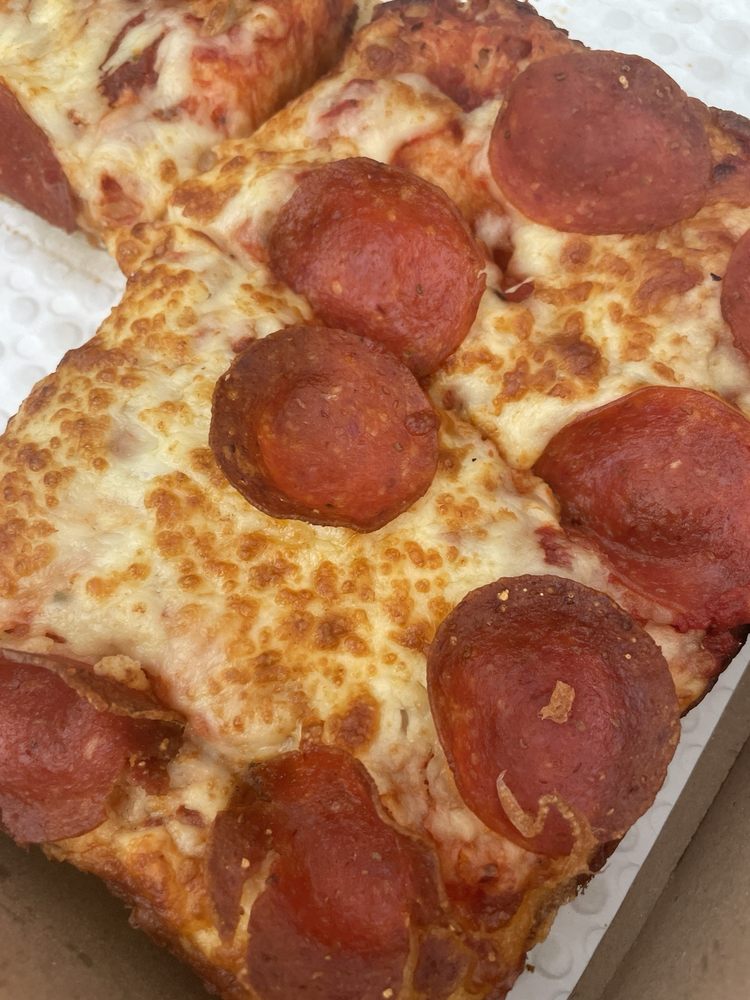
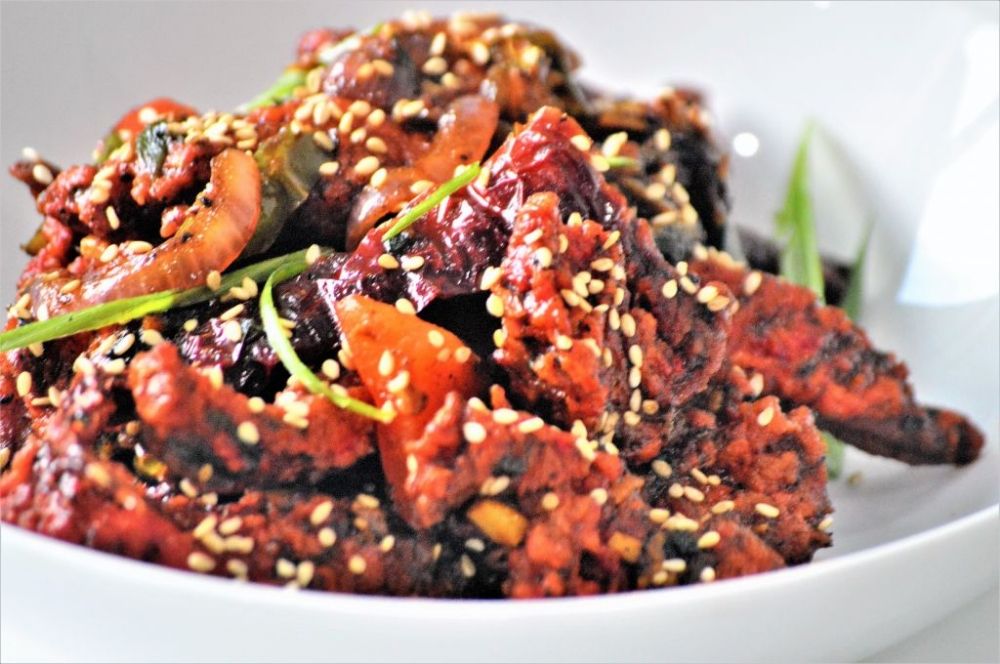
Explore popular things to do in the area, including Little Caesars Pizza, Mannat’s Kitchen, and Hakka Wakka.
| Name | Category | Distance | Reviews |
Ratings by
Yelp
|
|---|---|---|---|---|
| Dining · $ | 0.38 miles | 11 reviews | 3.6/5 stars | |
| Dining | 0.39 miles | 0 reviews | 0/5 stars | |
| Dining | 0.5 miles | 1 review | 3/5 stars | |
| Dining | 0.95 miles | 0 reviews | 0/5 stars | |
| Dining | 0.97 miles | 0 reviews | 0/5 stars | |
| Dining · $ | 1 miles | 36 reviews | 2.8/5 stars | |
| Dining | 1.07 miles | 12 reviews | 3.1/5 stars | |
| Dining | 1.13 miles | 15 reviews | 3.8/5 stars | |
| Dining | 1.13 miles | 0 reviews | 0/5 stars | |
| Dining · $$ | 1.14 miles | 7 reviews | 3.9/5 stars | |
| Shopping | 0.36 miles | 0 reviews | 0/5 stars | |
| Shopping | 0.94 miles | 1 review | 4/5 stars | |
| Shopping | 0.94 miles | 0 reviews | 0/5 stars | |
| Shopping | 0.94 miles | 0 reviews | 0/5 stars | |
| Shopping | 0.97 miles | 0 reviews | 0/5 stars | |
| Shopping | 1.07 miles | 1 review | 1/5 stars | |
| Active | 0.44 miles | 0 reviews | 0/5 stars | |
| Active | 0.44 miles | 0 reviews | 0/5 stars | |
| Beauty | 0.26 miles | 0 reviews | 0/5 stars | |
| Beauty | 0.7 miles | 0 reviews | 0/5 stars | |
| Beauty | 1.11 miles | 0 reviews | 0/5 stars | |
| Beauty | 1.15 miles | 0 reviews | 0/5 stars | |
|
|
||||
|
|
||||
|
|
||||
|
|
||||
|
|
||||
|
|
Brampton has 182,475 households, with an average household size of 3.6. Data provided by Statistics Canada. Here’s what the people living in Brampton do for work — and how long it takes them to get there. Data provided by Statistics Canada.
Total Population
Population Density Population Density This is the number of people per square mile in a neighborhood.
Median Age
Men vs Women
Population by Age Group
0-9 Years
10-17 Years
18-24 Years
25-64 Years
65-74 Years
75+ Years
Education Level
Total Households
Average Household Size
Average individual Income
Households with Children
With Children:
Without Children:
Marital Status
Blue vs White Collar Workers
Blue Collar:
White Collar:

Discover listings and statistics in Southern Ontario's most sought-after locations.