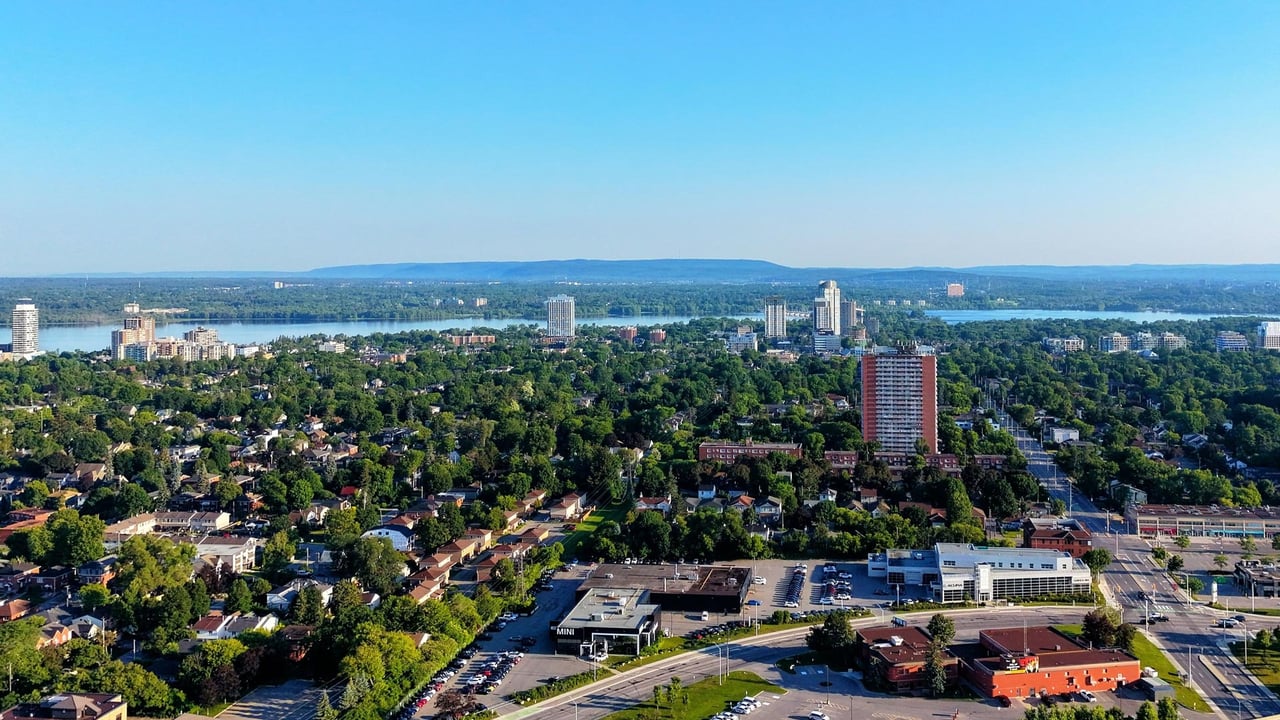
596,637 people live in Halton Region, where the median age is 40.8 and the average individual income is $156,800. Data provided by Statistics Canada.
Total Population
Median Age
Population Density Population Density This is the number of people per square mile in a neighborhood.
Average individual Income
Halton Region sits in the sweet spot between urban ambition and natural escape. It's where Lake Ontario shoreline meets the Niagara Escarpment, where boutique fine dining exists alongside century-old fall fairs, and where Toronto commuters trade city density for something that actually feels like a place to live.
Spanning four distinct municipalities — Oakville, Burlington, Milton, and Halton Hills — Halton consistently ranks among Canada's most livable regions. It's not a single neighborhood with a single identity. It's a collection of communities that each punch above their weight, connected by world-class transit, top-rated schools, and a shared commitment to quality of life that's hard to find anywhere else in the Greater Toronto Area.
Halton's story begins long before European settlement. The land is the traditional territory of the Mississaugas of the Credit, the Haudenosaunee, and the Huron-Wendat peoples. British Crown acquisition came through Treaty 19 — the Ajetance Purchase — in 1818.
Early economic life was driven by water. Mills along the Credit River and Sixteen Mile Creek powered the region's first industries. Acton became internationally significant as "Leathertown," home to what was once the largest tannery in the British Empire. Georgetown and Milton grew as essential stops along the Grand Trunk Railway, cementing Halton as a trade and transit corridor long before the 401 existed.
Architecturally, the region reads like a timeline. Georgian stone farmhouses survive in Norval. Gothic Revival churches anchor Georgetown's historic core. Edwardian estates mark the turn of the 20th century. Then came the postwar suburban push — master-planned communities in Oakville and Milton that now define how most people picture the region. What's remarkable is how well Halton has preserved its older layers while absorbing decades of growth.
Halton draws people at different life stages, but a few profiles define the region's character.
Young families dominate the demographic landscape, drawn by school rankings that consistently outperform provincial averages, safe streets, and a lifestyle built around parks, farmers' markets, and community programming. Active professionals — many commuting to Toronto — gravitate toward Oakville and Burlington for their walkable downtowns and waterfront energy. Milton attracts first-time buyers and growing families priced out of the lakeside municipalities but unwilling to sacrifice school quality or green space.
In Halton Hills, particularly in Glen Williams and Acton, you'll find a distinct pocket of artists, antique dealers, and people who've made a deliberate choice to slow down. Retirees are a growing presence across the region, supported by strong healthcare infrastructure and specialized senior programming. This is not a transient population — people come to Halton and stay.
Halton occupies a strategic position within the Greater Golden Horseshoe. Lake Ontario anchors its southern edge. The City of Hamilton borders it to the west. Wellington County sits to the north, and Peel Region — Mississauga and Brampton — abuts the eastern boundary.
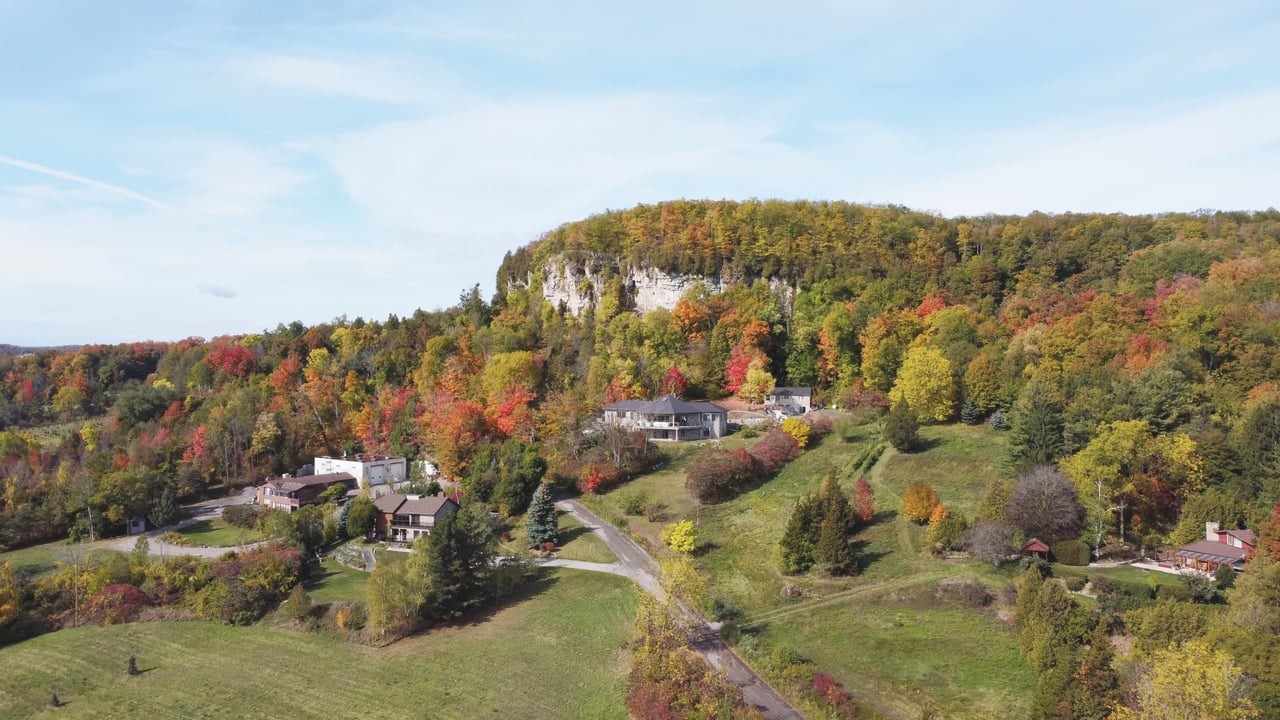
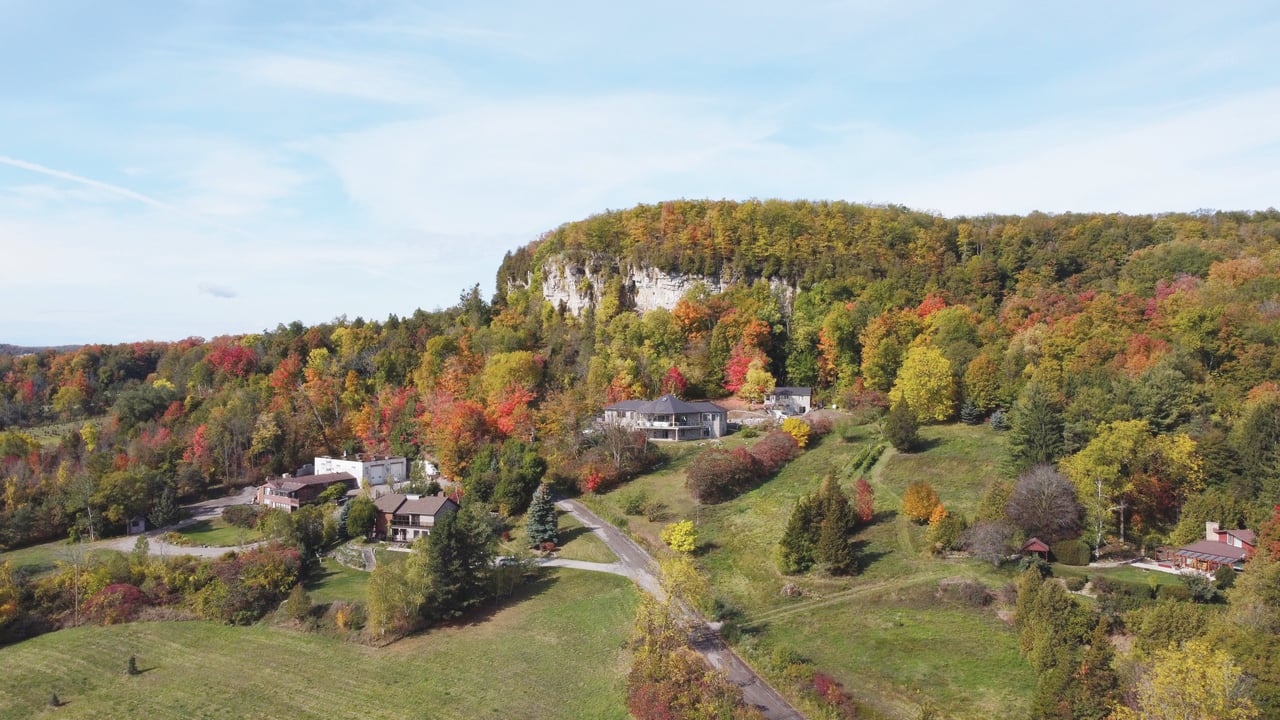
Two major geographic features define the region's character. The Niagara Escarpment, a UNESCO World Biosphere Reserve, cuts through the region creating dramatic cliff faces, waterfalls like Hilton Falls, and terrain that shapes everything from hiking trails to property values. Lake Ontario moderates the southern climate, meaning Burlington and Oakville winters run noticeably milder than areas further north like Halton Hills.
Access to Toronto is a central selling point. GO Transit rail connections put Union Station within 45 to 60 minutes from most of the region, and the 400-series highway network — the QEW, 401, and 407 — makes road travel practical in every direction.
As of early 2026, Halton's market has shifted from the frenetic pace of previous years into something more deliberate. The urgency has been replaced by calculation, and that's created real opportunity for buyers who know what they're looking at.
Average sale prices currently range from approximately $1.1M to $1.3M across the region, with Oakville leading at roughly $1.32M, Milton showing resilience near $1.07M, and Halton Hills offering more accessible entry points around $999,000. Active inventory is up modestly — about 3% to 4% — but new listings are down 18% year-over-year, meaning homes are staying on the market longer without a flood of fresh supply.
Average days on market now sits between 28 and 45 days. That's a significant shift from the "sold in a weekend" era, and it's meaningful — buyers now have realistic time for home inspections and financing conditions. Approximately 90% of homes are selling at or below asking, giving buyers meaningful negotiating leverage. Milton stands out with roughly 8% year-over-year price growth driven by its relative affordability compared to neighboring municipalities.
Halton's housing stock is genuinely diverse, reflecting the region's range of incomes, lifestyles, and development eras.
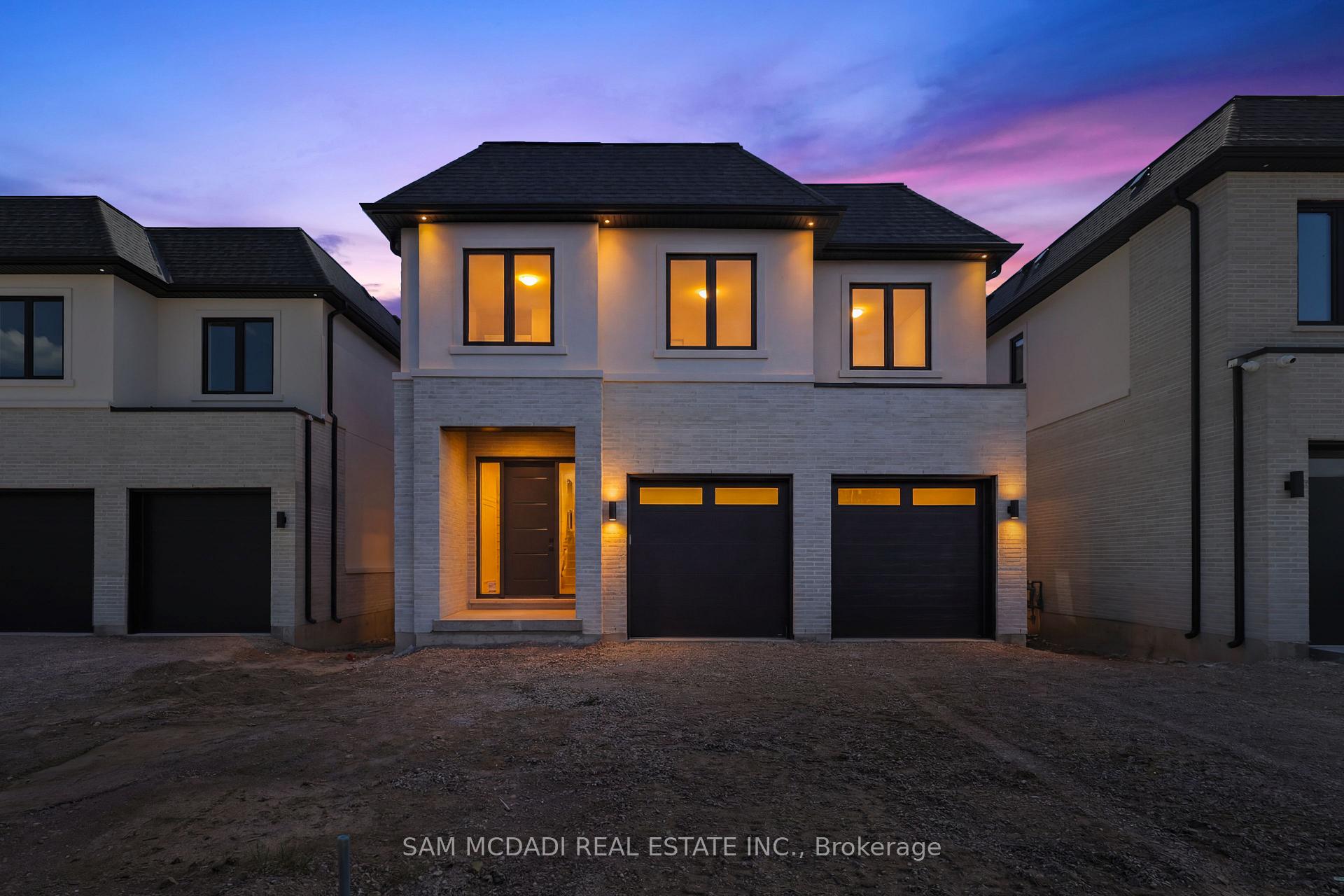
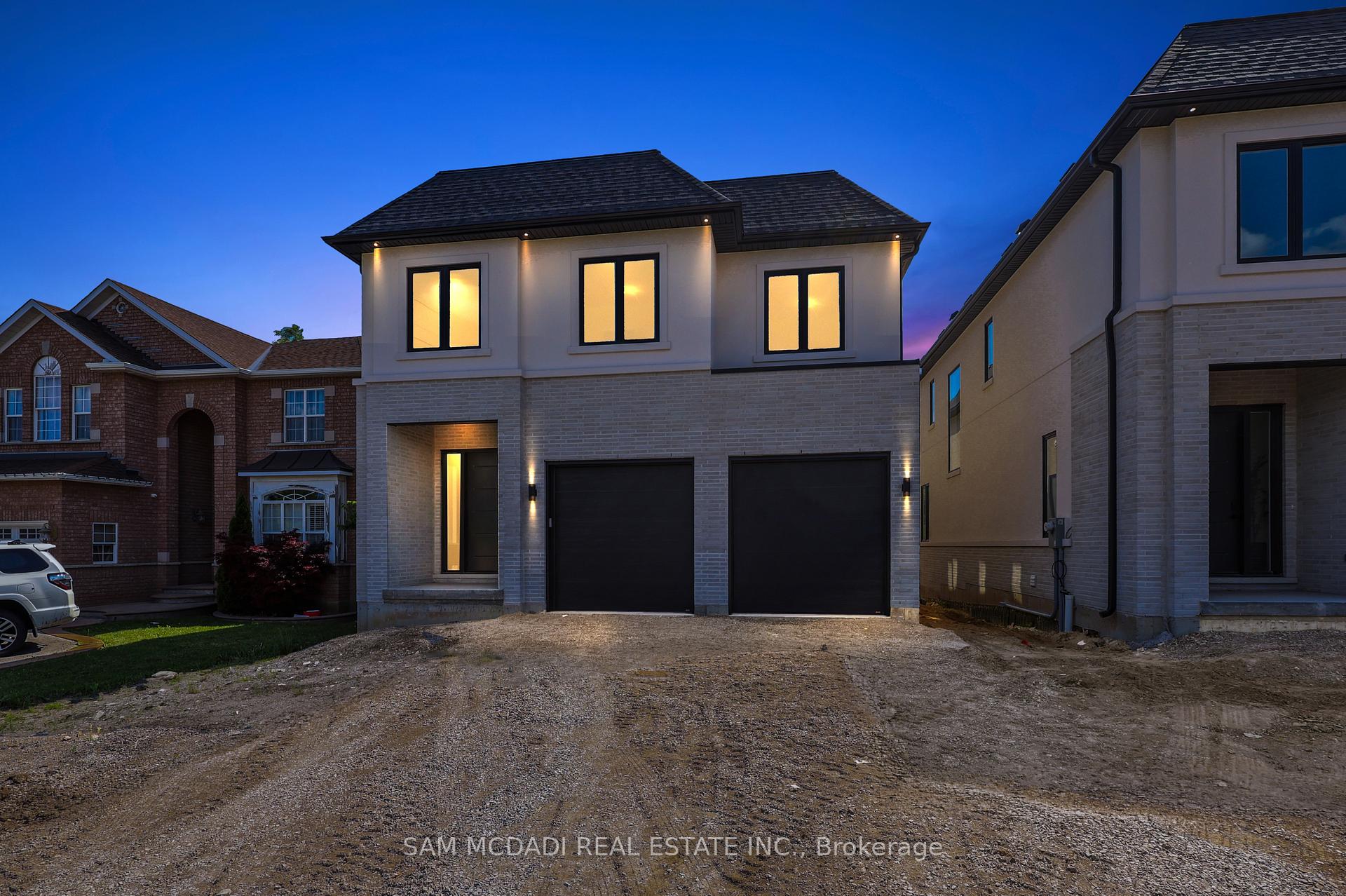
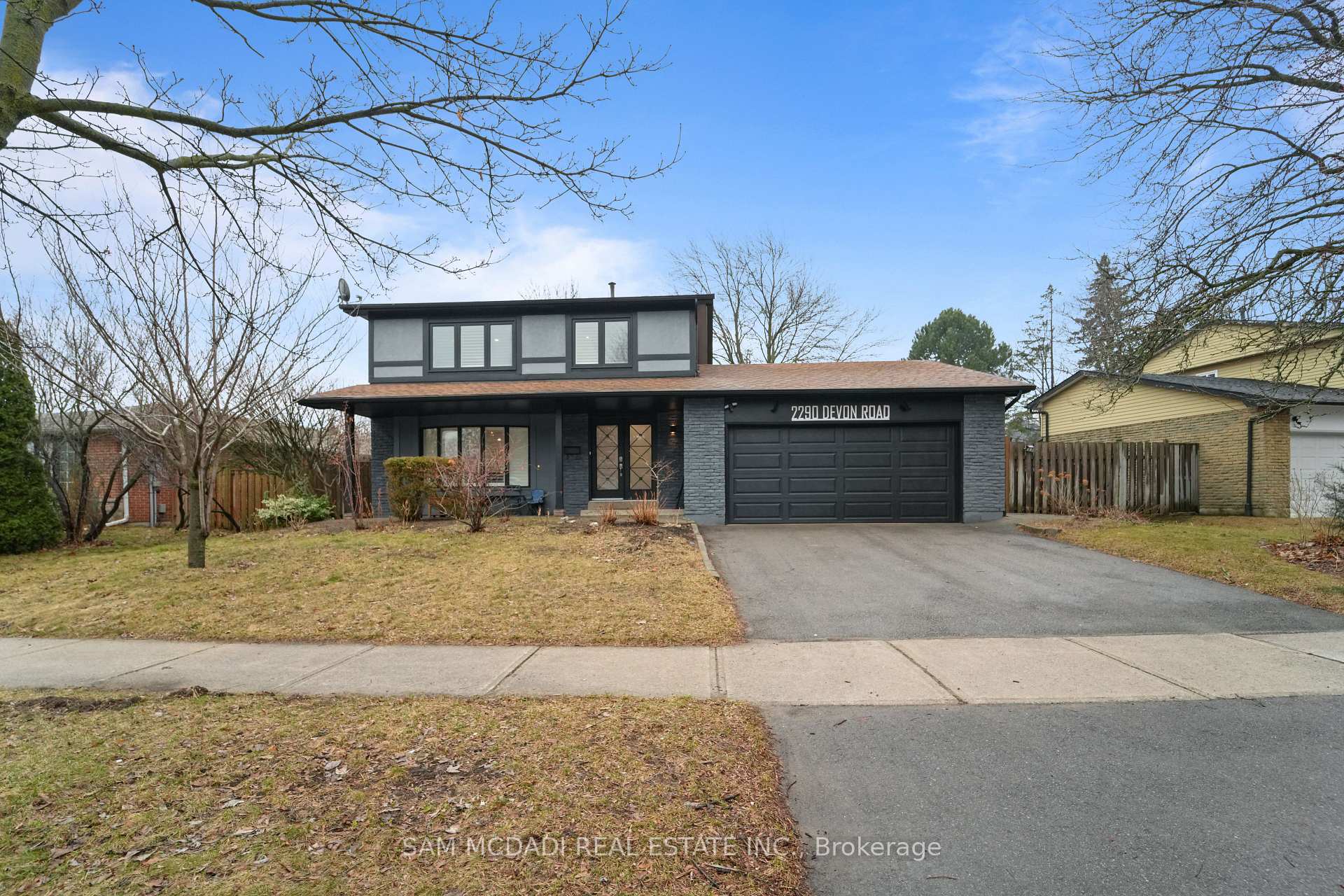
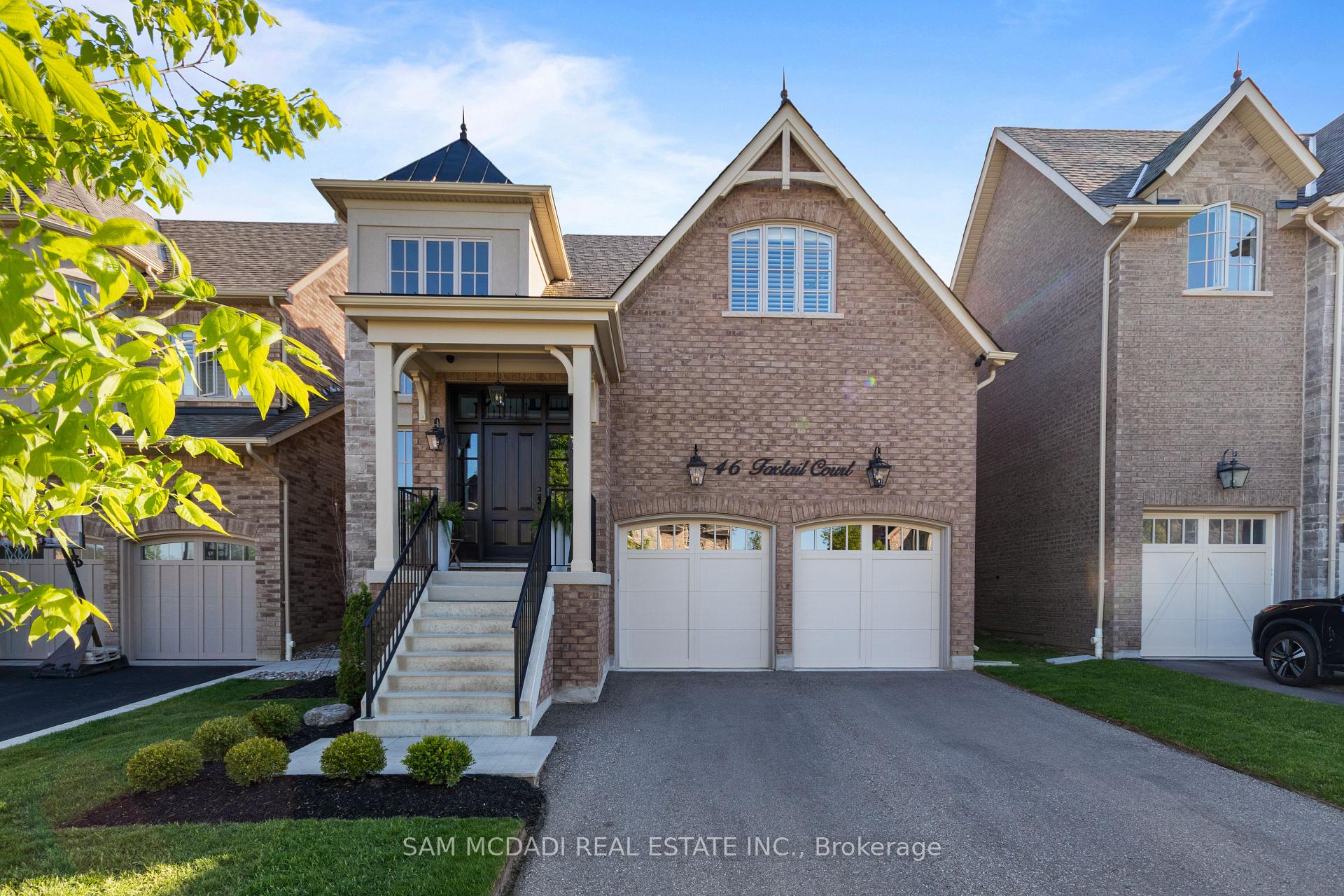
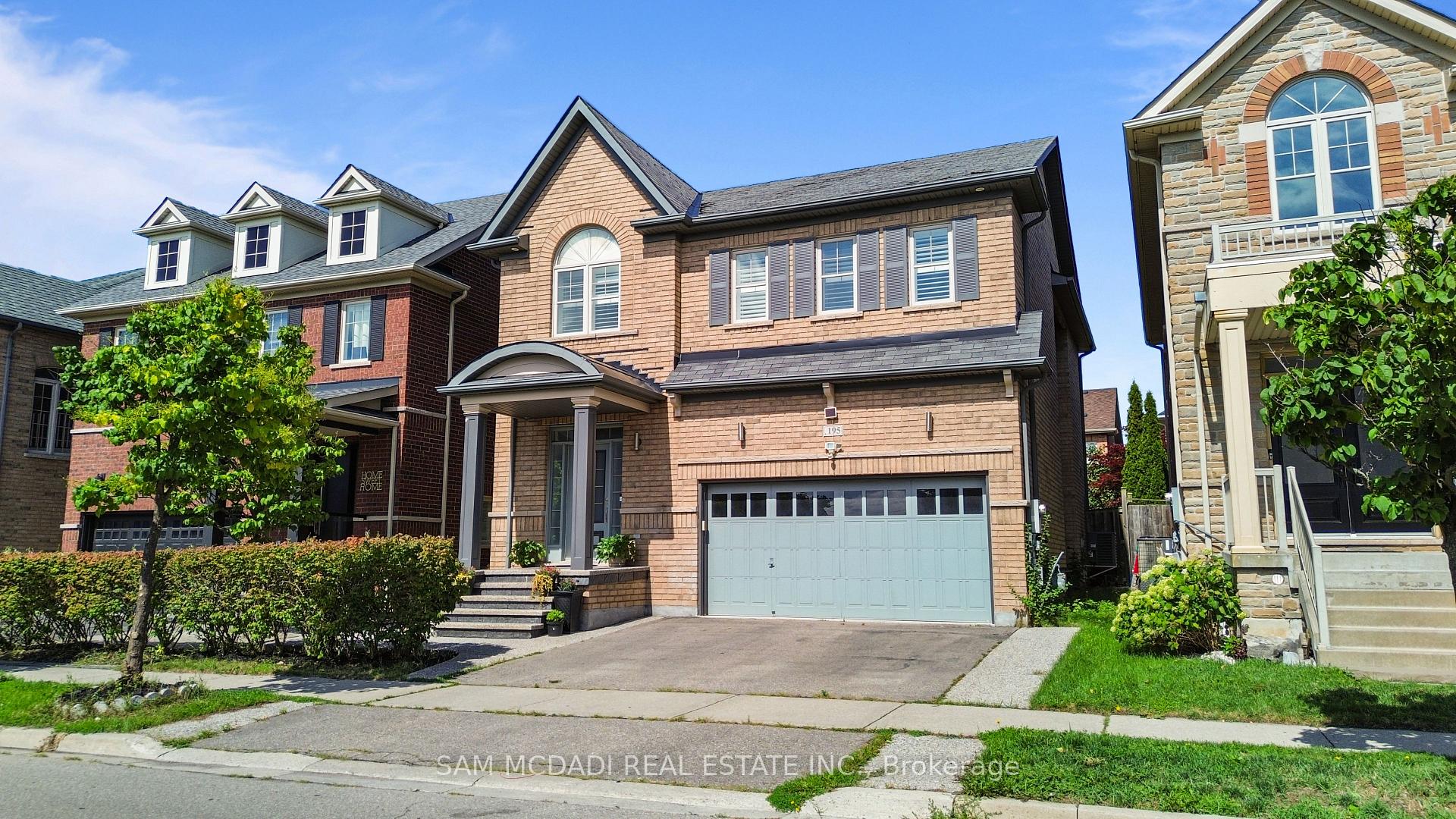
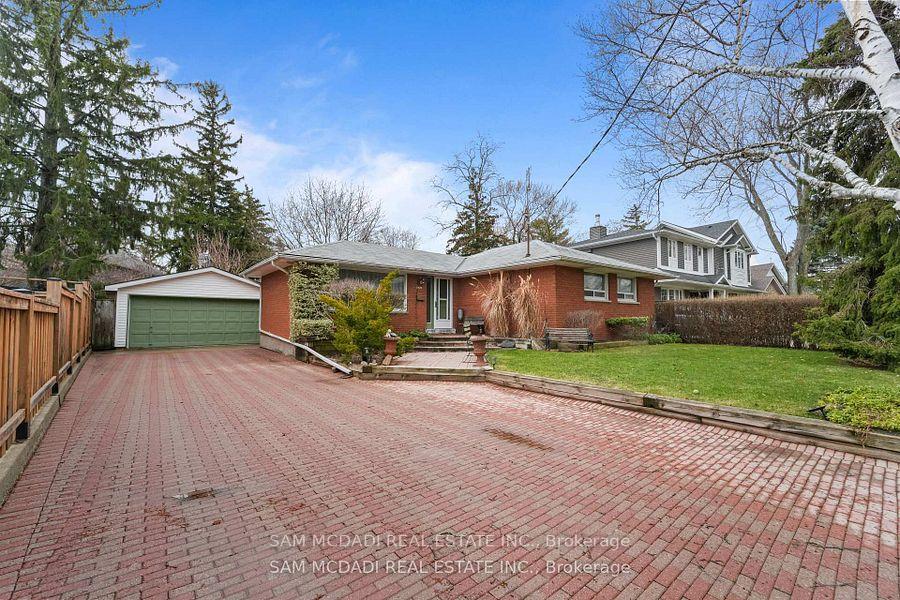
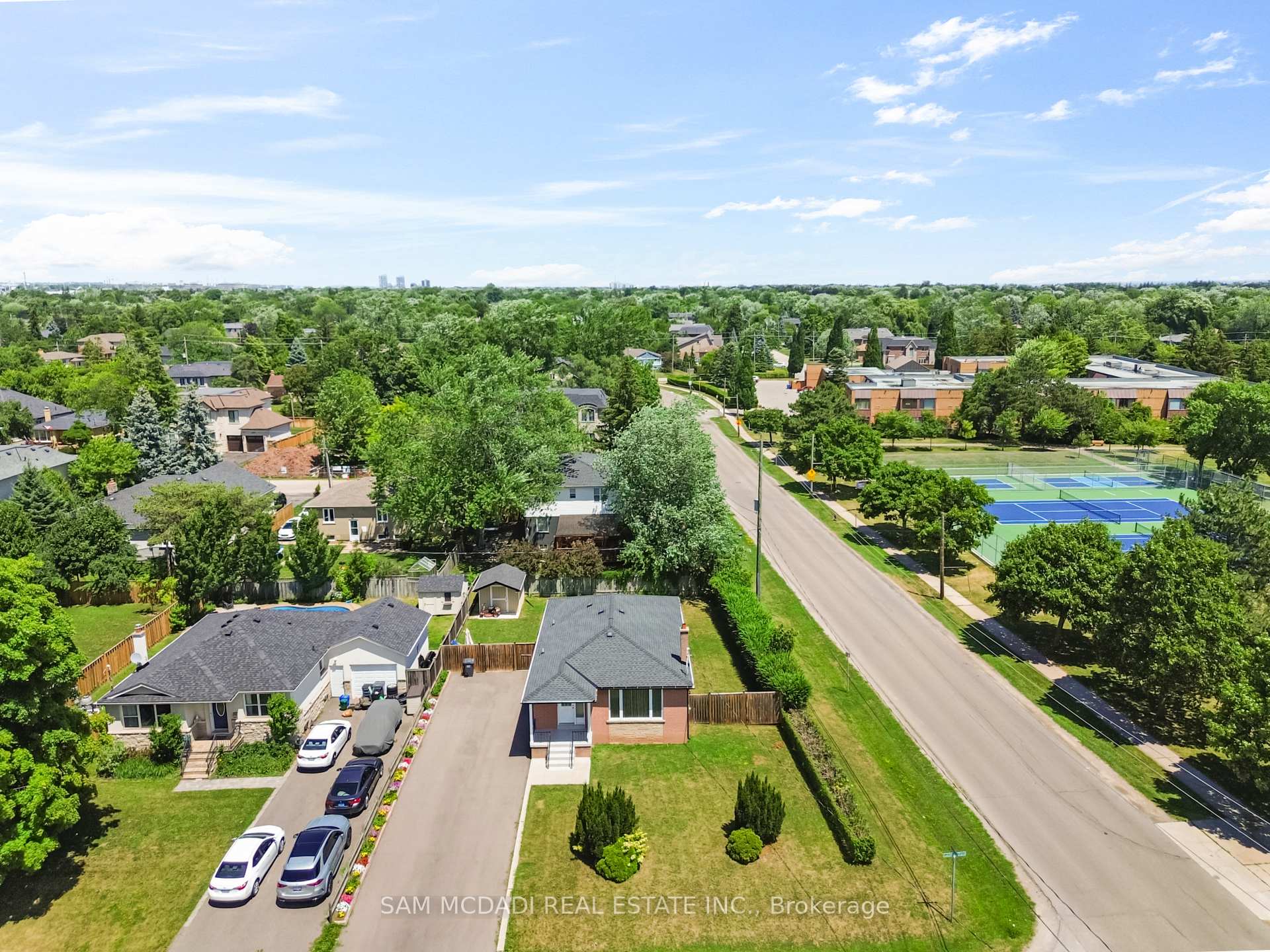
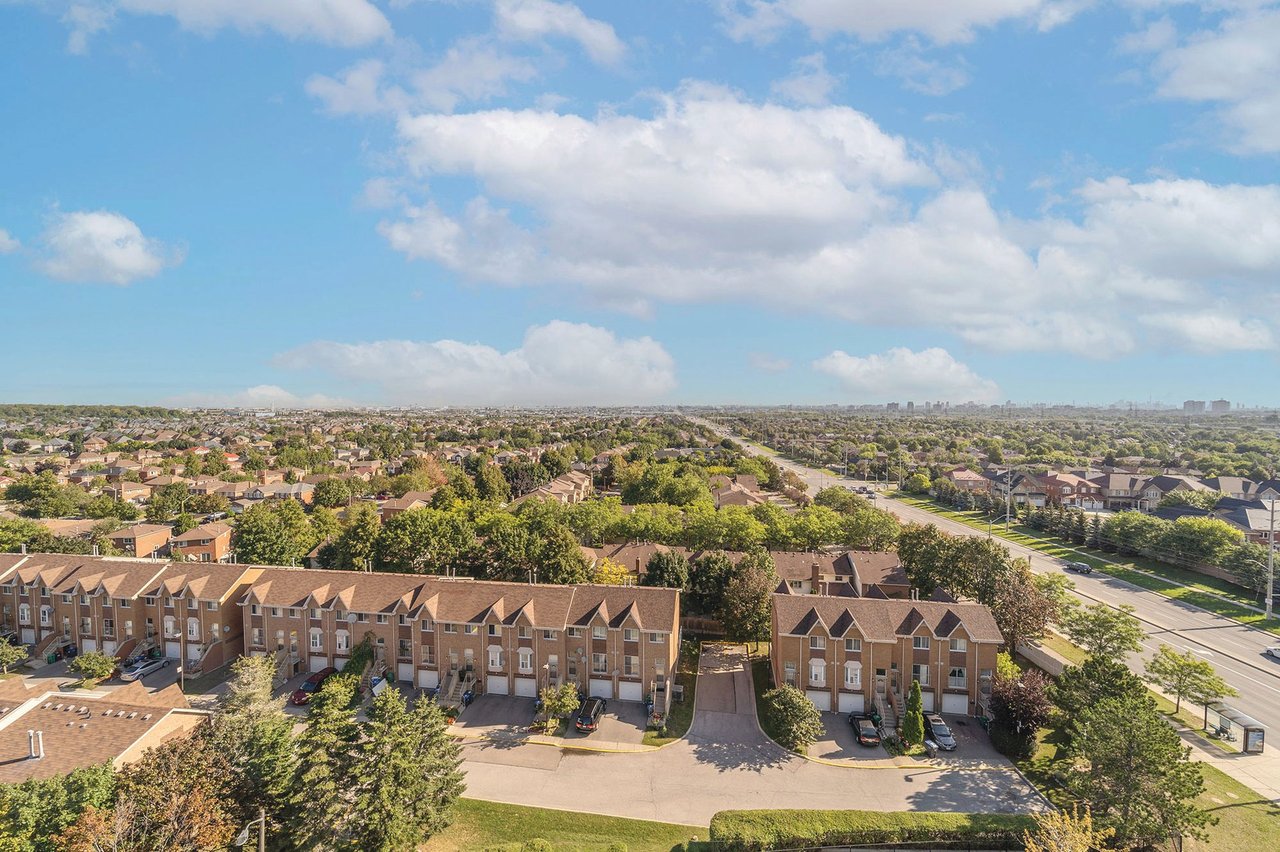
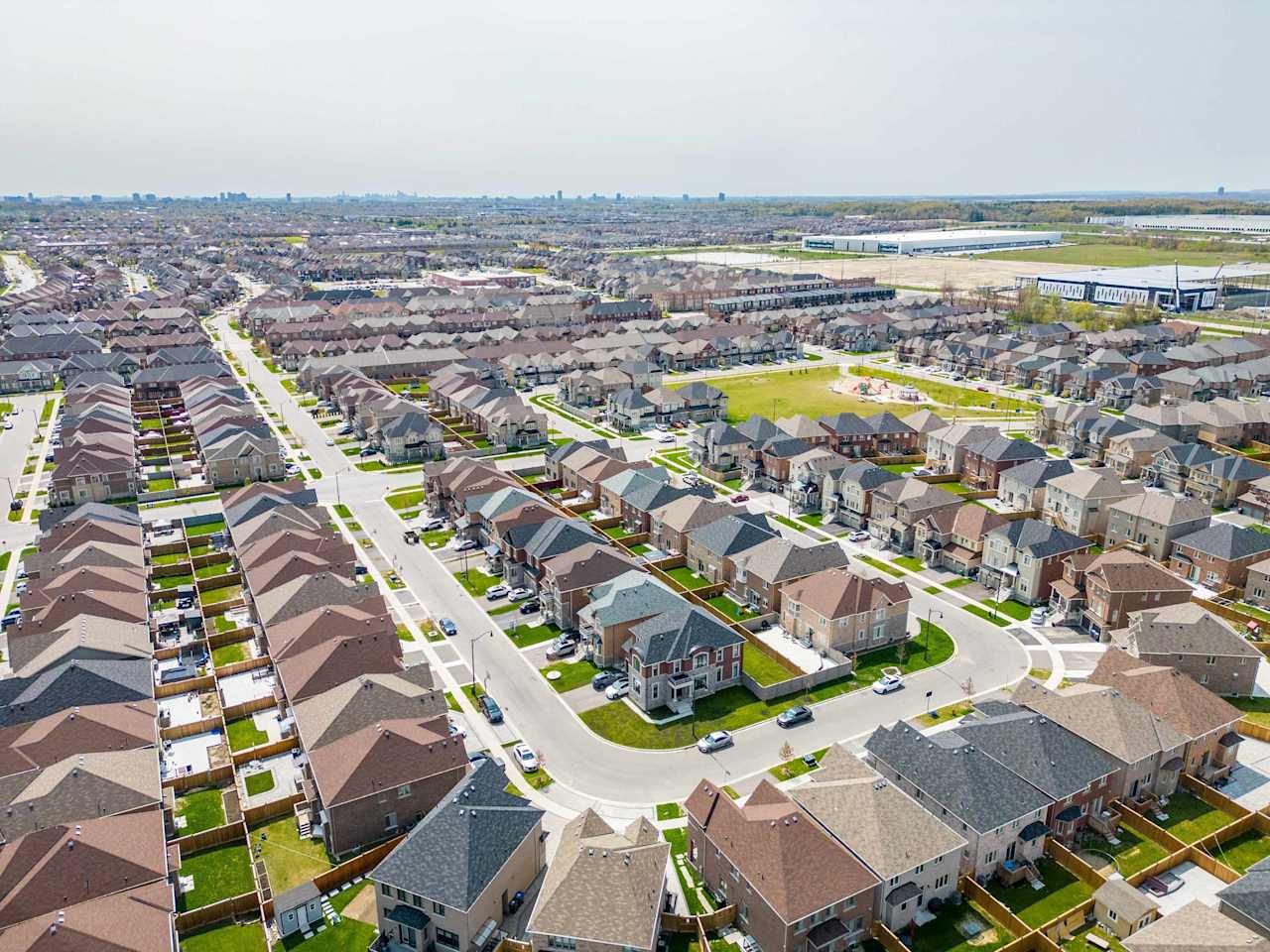
Detached single-family homes remain the benchmark. In South Oakville and Burlington, that means luxury custom builds, mid-century bungalows on oversized lots, and Victorian-era estates. In Milton and North Oakville, it means multi-story brick homes in master-planned communities with modern open-concept layouts.
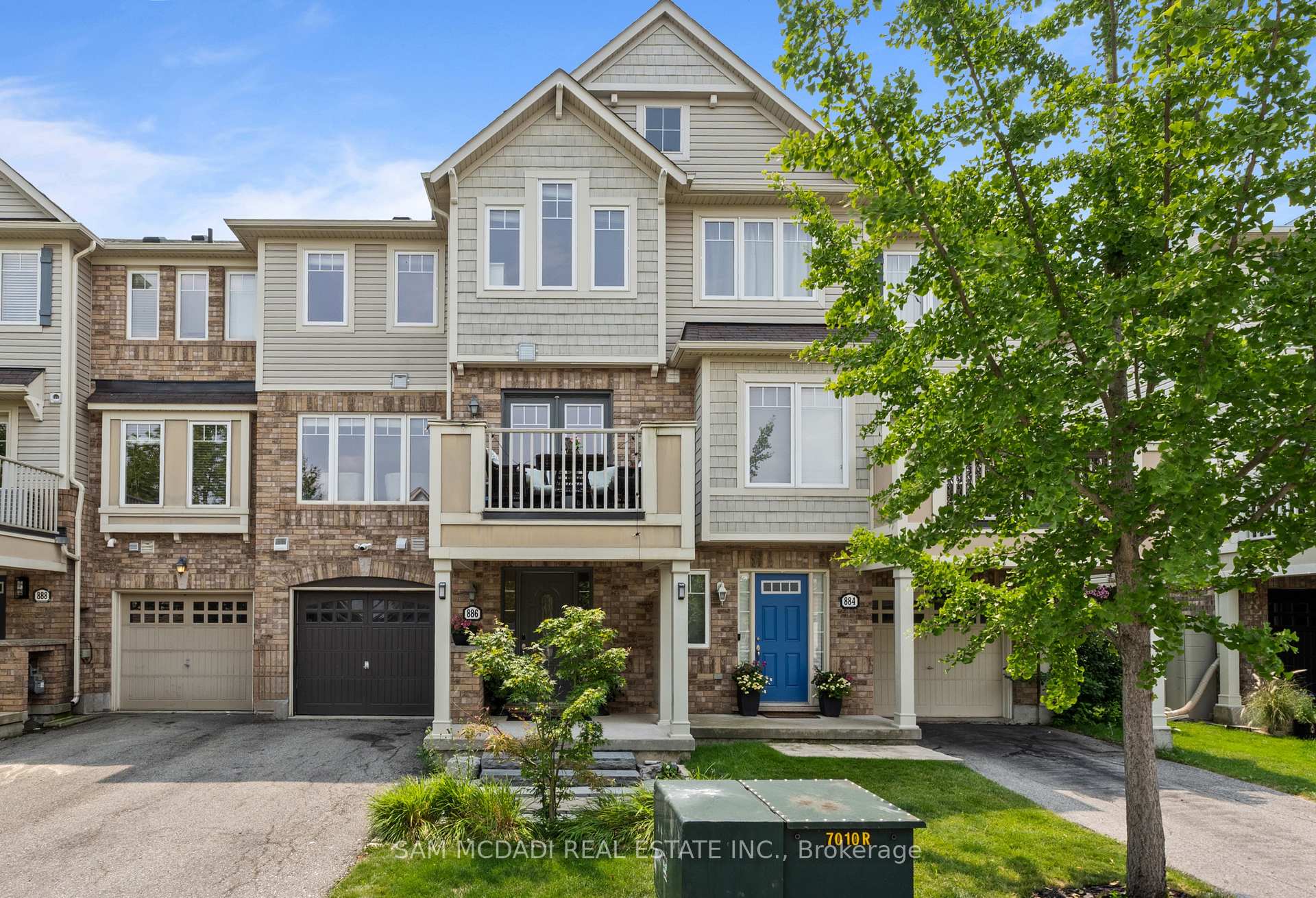
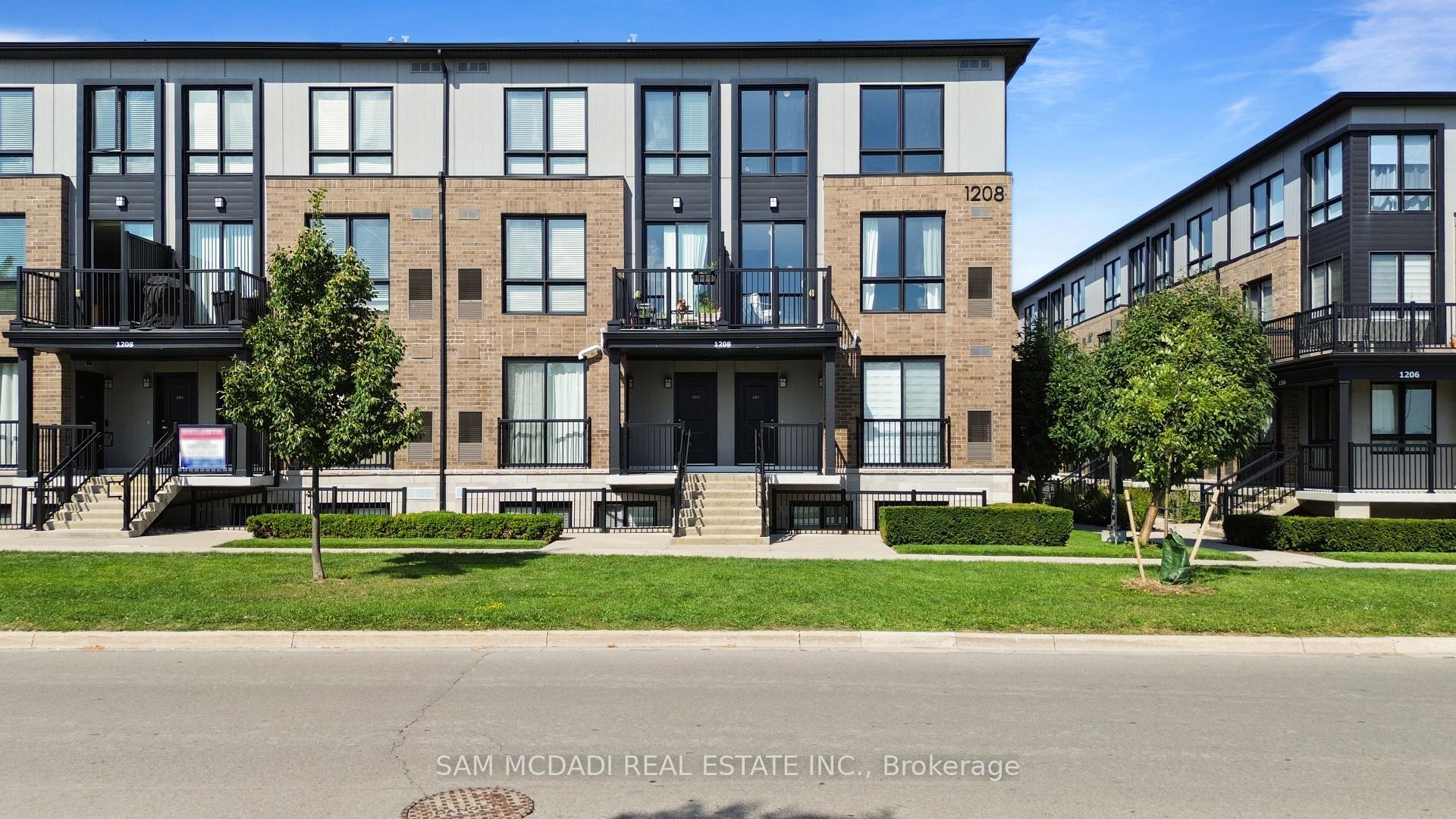
Freehold townhomes are the region's most popular entry point for young families and professionals, particularly in Milton and Georgetown, where buyers can avoid condo maintenance fees while staying within reach of GO Transit. Stacked urban towns near Oakville's Uptown Core are increasingly bridging the gap between condo living and detached ownership.
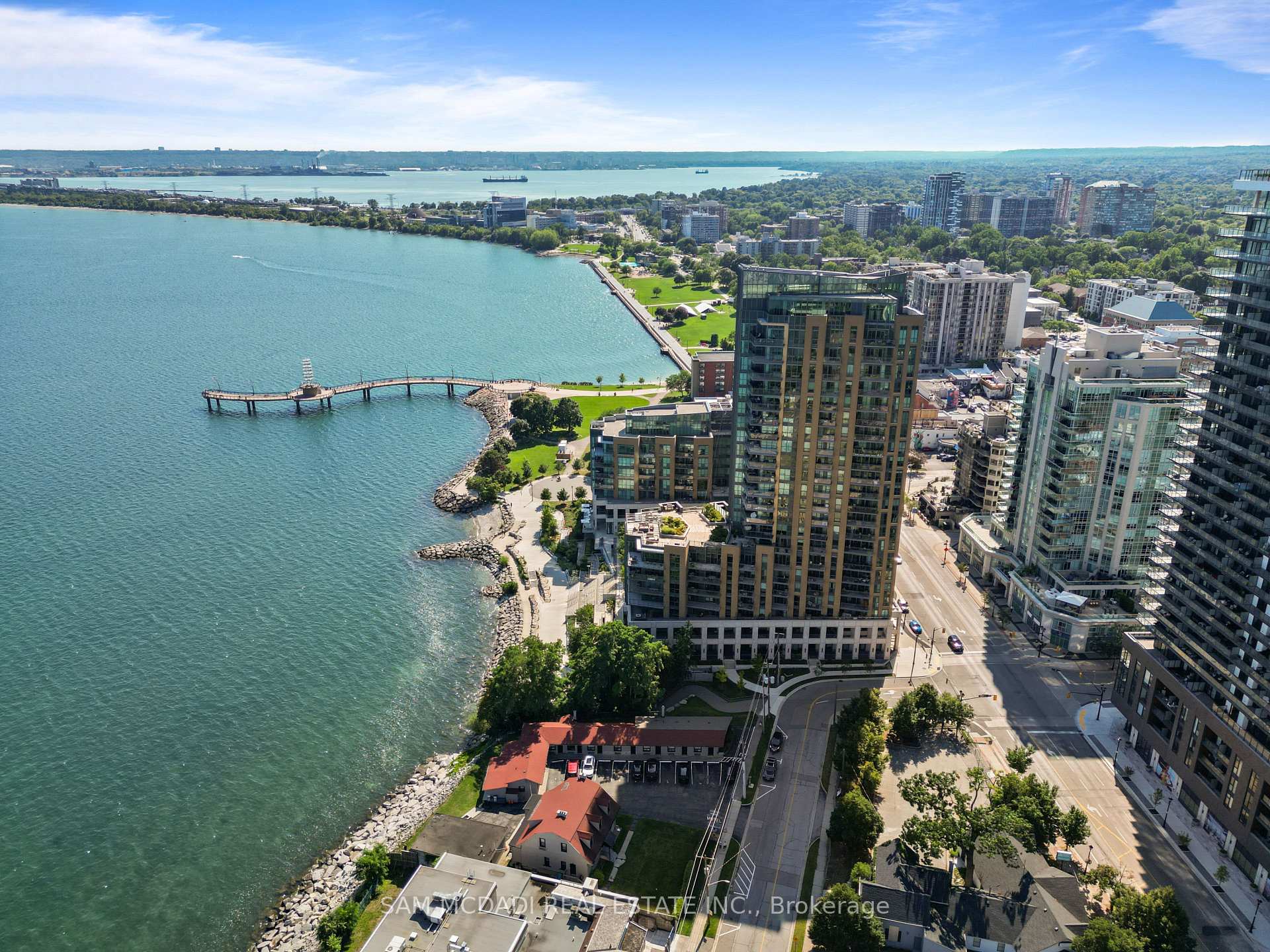
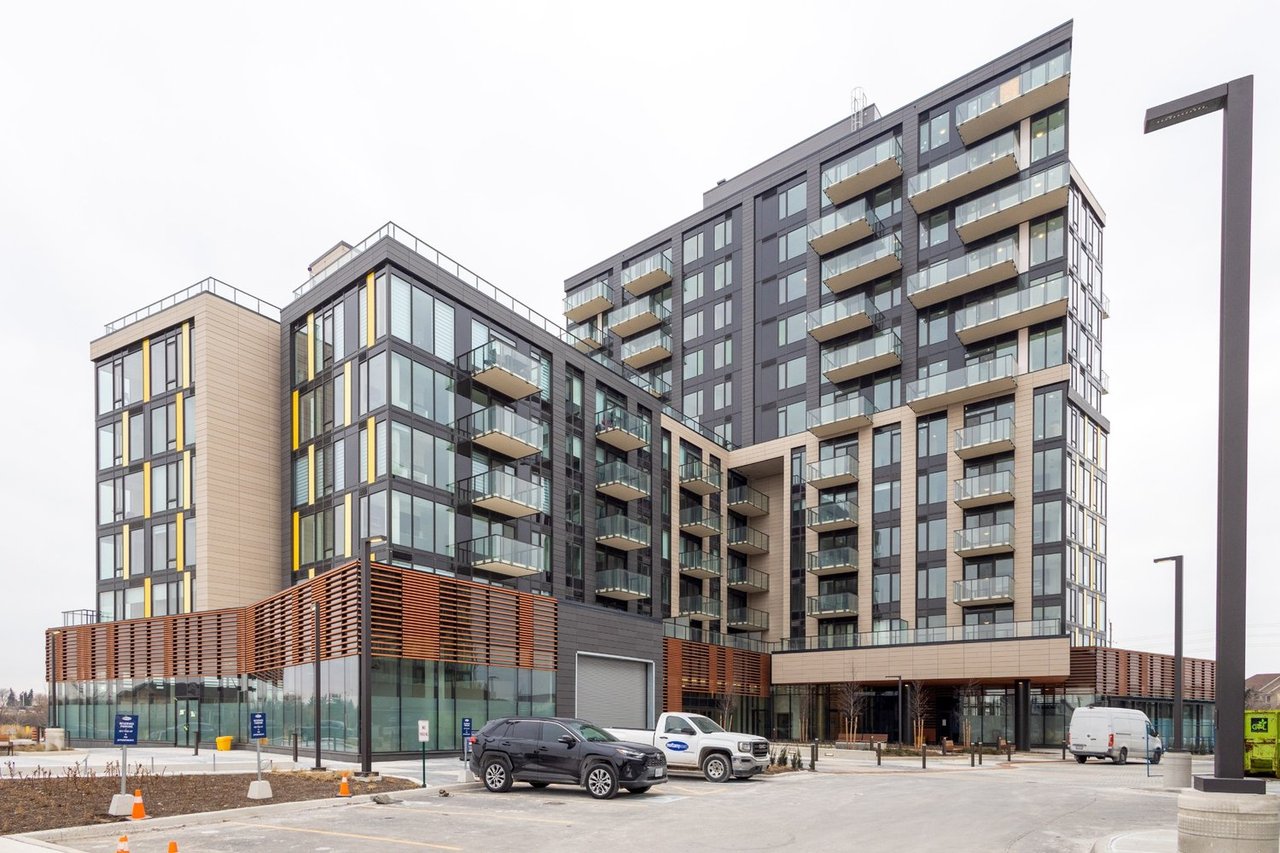
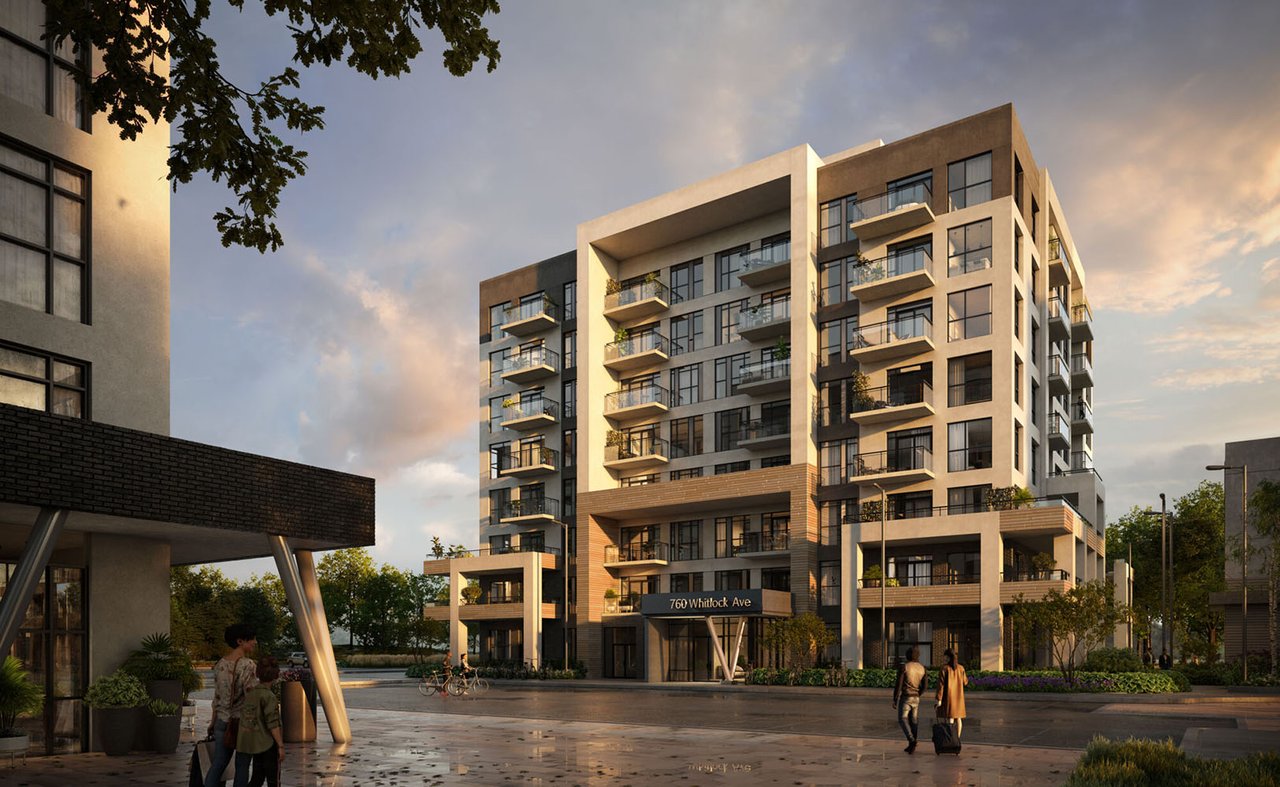
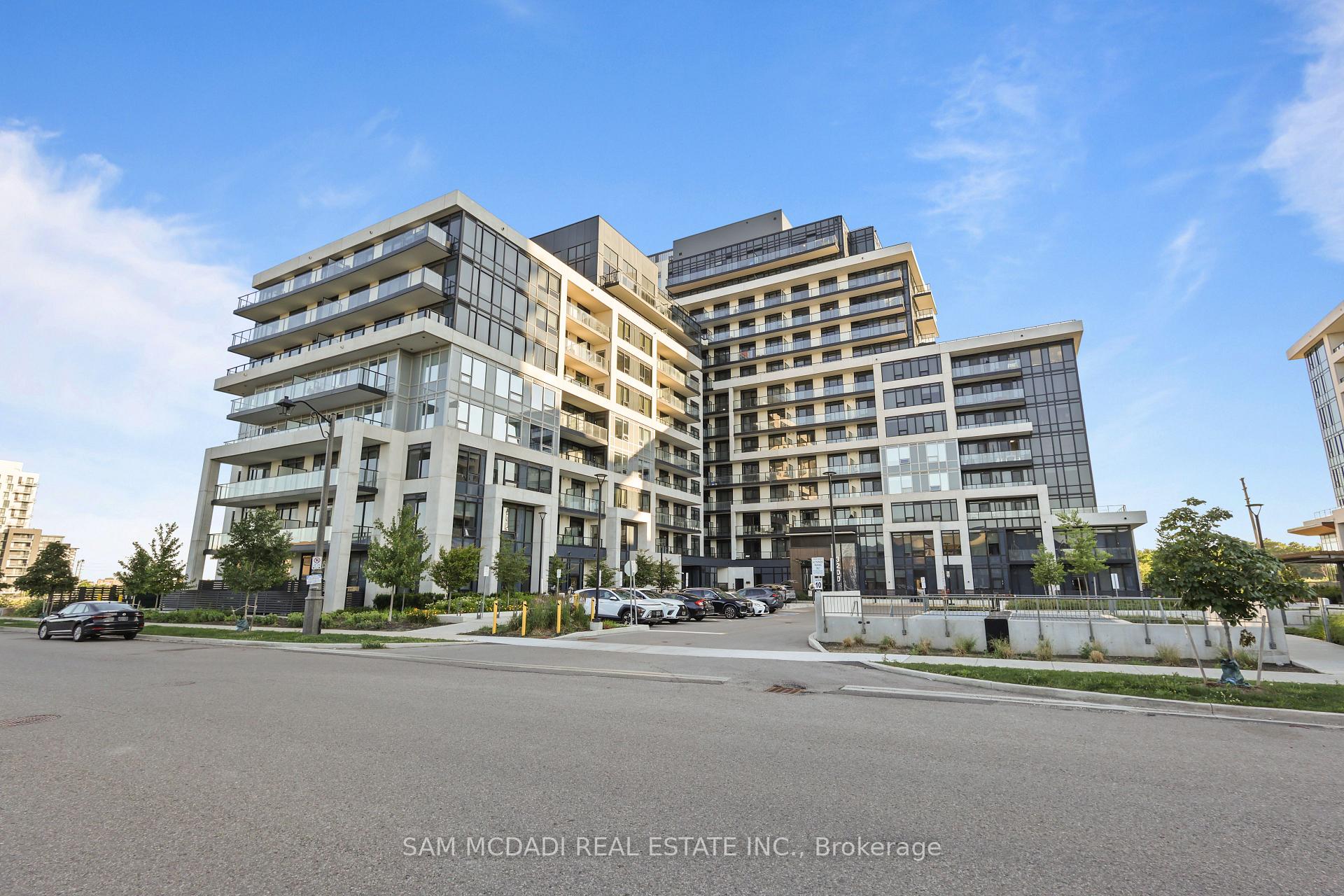
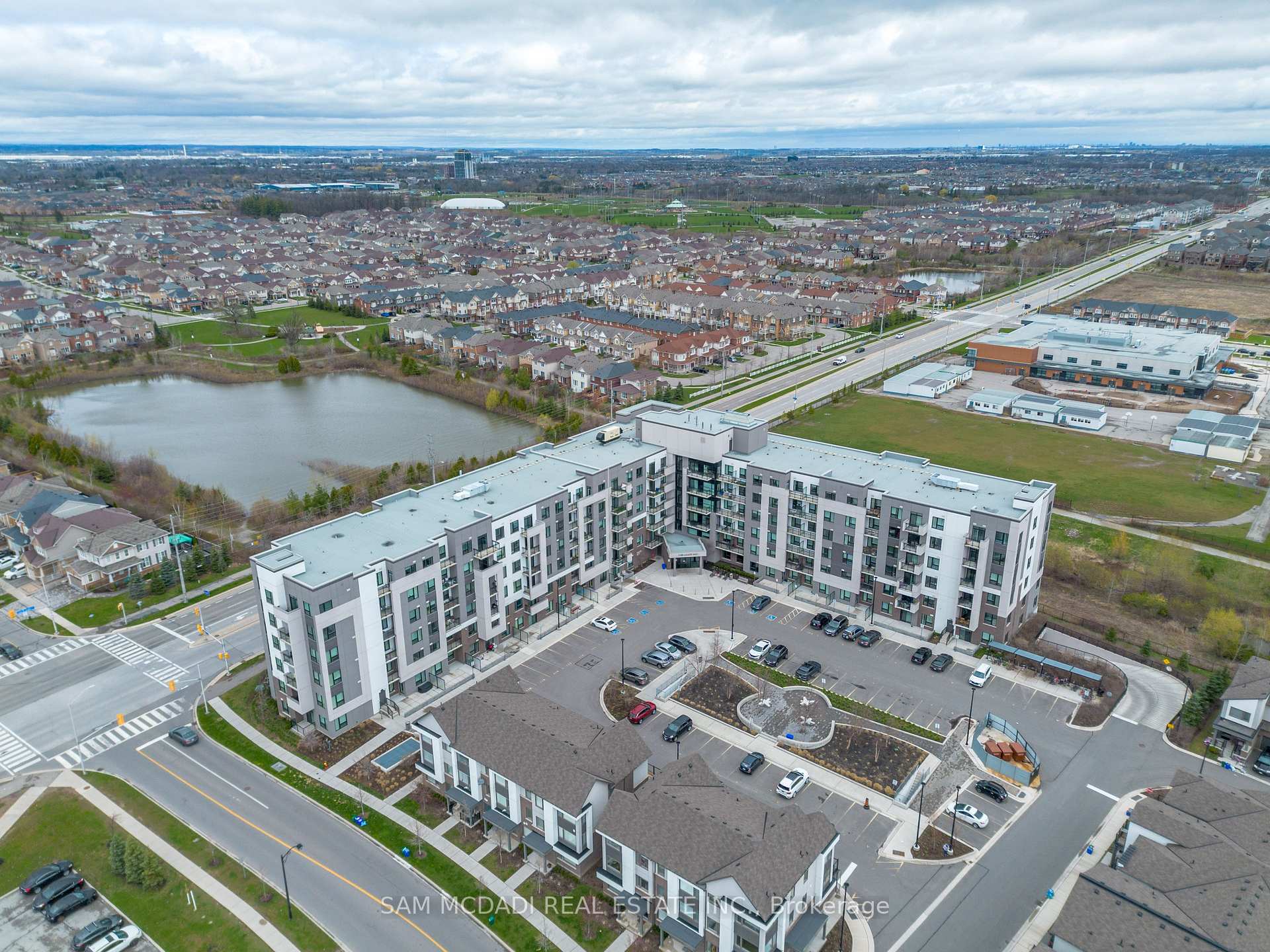
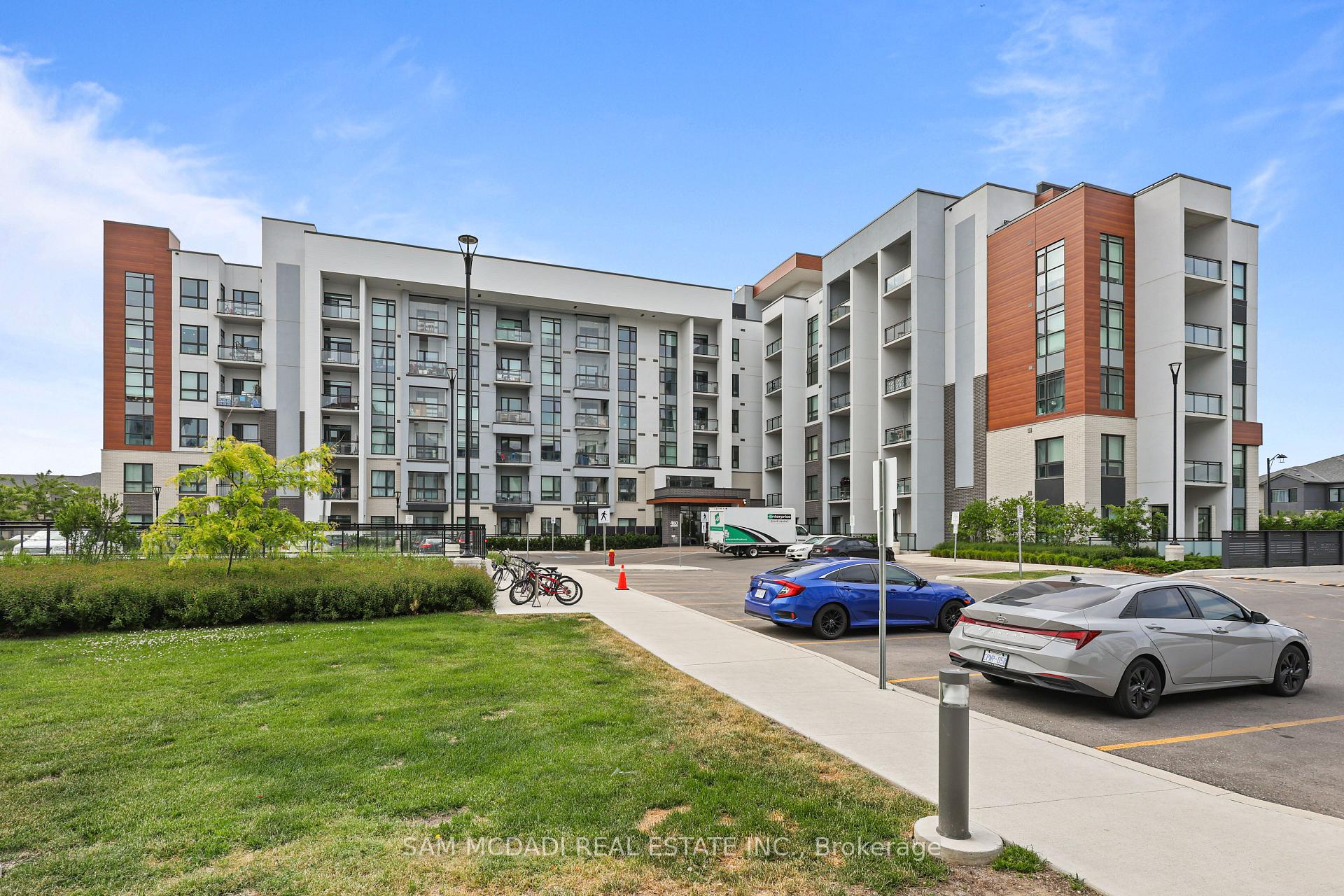
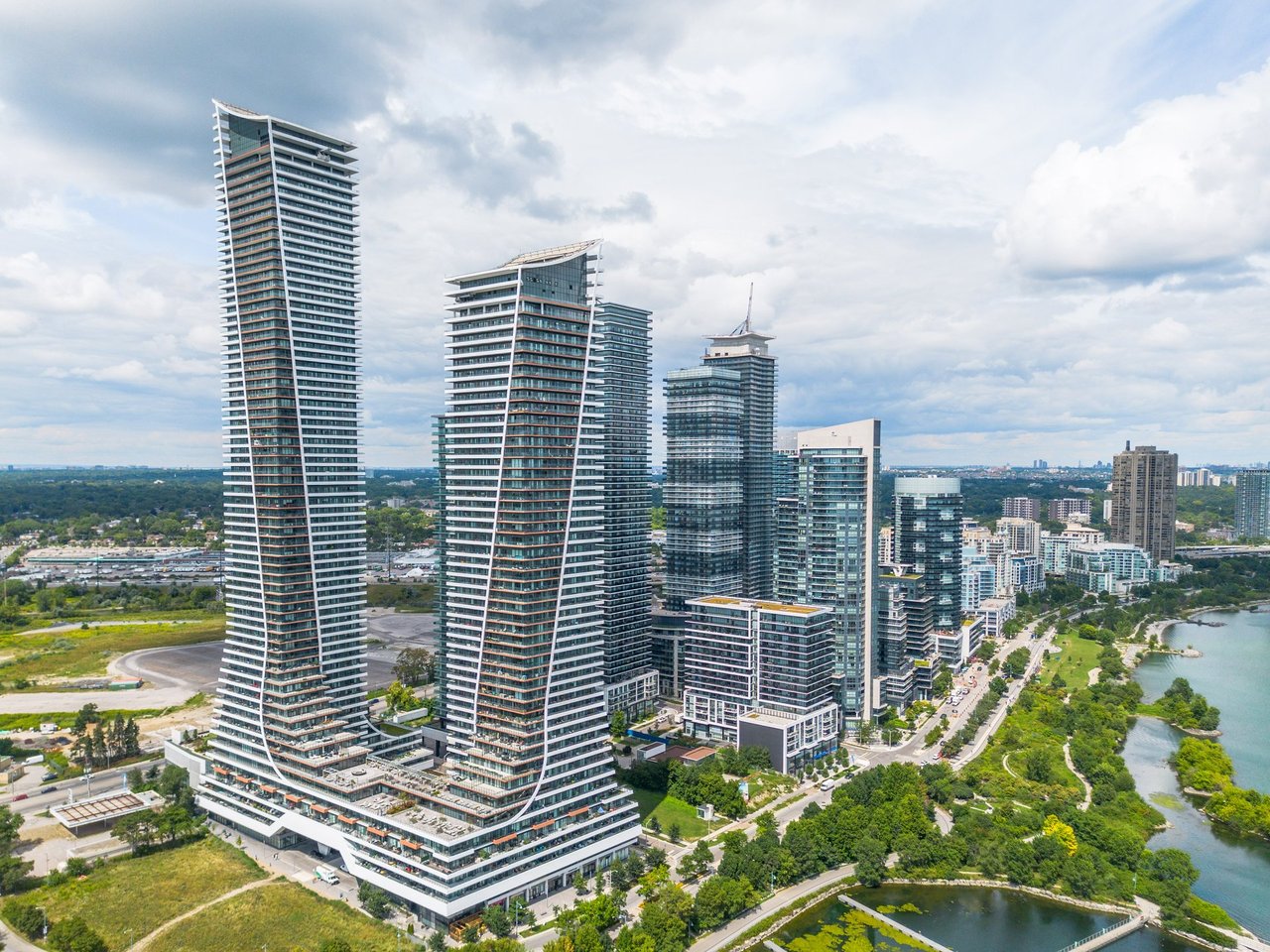
Condominiums have become a serious sector, especially along the Burlington and Bronte waterfronts where glass towers offer Lake Ontario views and concierge amenities. Transit-oriented mid-rise apartments are growing in Milton and Halton Hills, catering to commuters and downsizers who want efficiency over square footage.
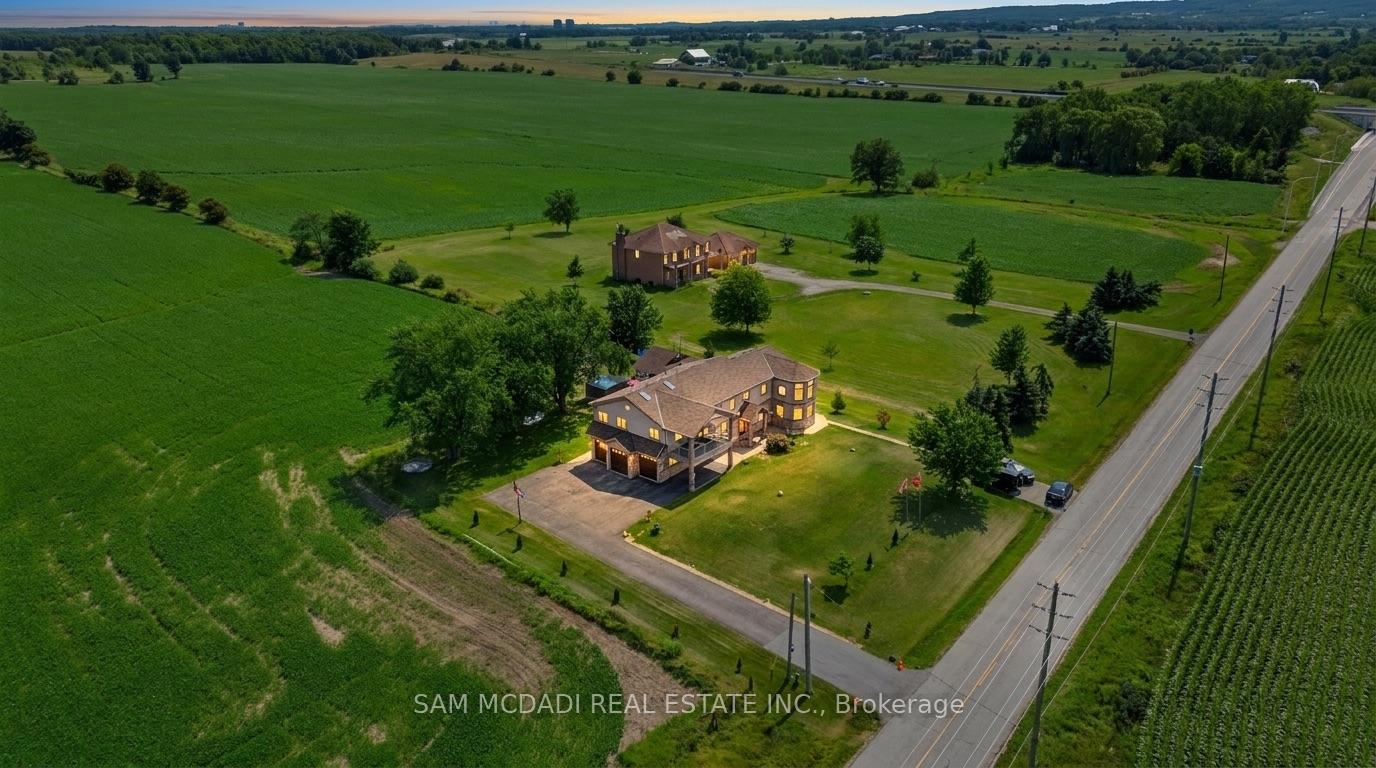
For buyers willing to look north, Halton Hills and Campbellville offer rural and hobby farm properties with significant acreage — private woodlots, equestrian facilities, and a pace of life that's genuinely different from anything south of the Escarpment.
Halton rewards buyers who do their homework. A few factors here carry more weight than in a typical GTA market.
School catchment boundaries are a serious consideration, particularly in Oakville. Being on the wrong side of a street can mean the difference of $100,000 or more in home value, and Halton District School Board boundaries can shift. Always verify the catchment directly with the board — never rely on listing details alone.
Flood risk and Conservation Halton jurisdiction matter significantly for properties near the Niagara Escarpment, Sixteen Mile Creek, or other regulated areas. Homes within these zones face strict limitations on additions like pools, decks, and outbuildings. Flood insurance premiums have risen in 2026, and neighborhoods like Southwest Oakville and Downtown Burlington have documented histories of basement flooding worth investigating thoroughly.
Older homes in Burlington and Georgetown — particularly pre-1960s construction — may still have lead service lines. Halton Region offers a lead pipe replacement subsidy, but this is a non-negotiable inspection item. Finally, if a property backs onto the Lakeshore West or Kitchener GO corridors, expect increased noise with the expanded 15-minute service — but also factor in the long-term appreciation potential that transit proximity typically delivers.
Selling in 2026 requires a different playbook than the speculative pricing strategies that worked in previous years. The "underprice and trigger a bidding war" approach is genuinely risky in a balanced-to-buyer's market. Transparent pricing — listing at a defensible fair market value and leaving room for negotiation — is currently producing faster closing timelines than aggressive underpricing tactics.
Timing still matters. Spring remains the undisputed peak, particularly for homes with garden presence or escarpment views that genuinely show better with greenery. Winter buyers, however, are disproportionately motivated — relocations and growing families who need to move tend to write cleaner offers with fewer conditions.
On the upgrade side, high-ROI improvements are outperforming full-scale renovations. Garage door replacements are showing returns up to 260%. Minor kitchen refreshes — new hardware, quartz countertops — are moving the needle without the capital risk of a full gut renovation. Energy efficiency upgrades like heat pumps and EV charging stations have become genuine selling points, particularly for Milton's tech-professional demographic. Staging that clearly defines a home office or secondary suite is consistently attracting more interest, as buyers are actively searching for mortgage-helper potential and remote-work setups.
Halton's restaurant scene has matured well beyond what a suburban region typically delivers. The MICHELIN Guide's expanded reach into the area has validated what locals already knew.
Hexagon in Oakville is the region's culinary anchor — a MICHELIN-starred restaurant built around innovative French-inspired tasting menus. In Burlington, Spencer's at the Waterfront and Isabelle Restaurant + Lounge offer high-end, locally sourced seafood with panoramic Lake Ontario views. The Glen Tavern in Georgetown is worth the drive for anyone wanting seasonal contemporary cooking in a restored 19th-century setting.
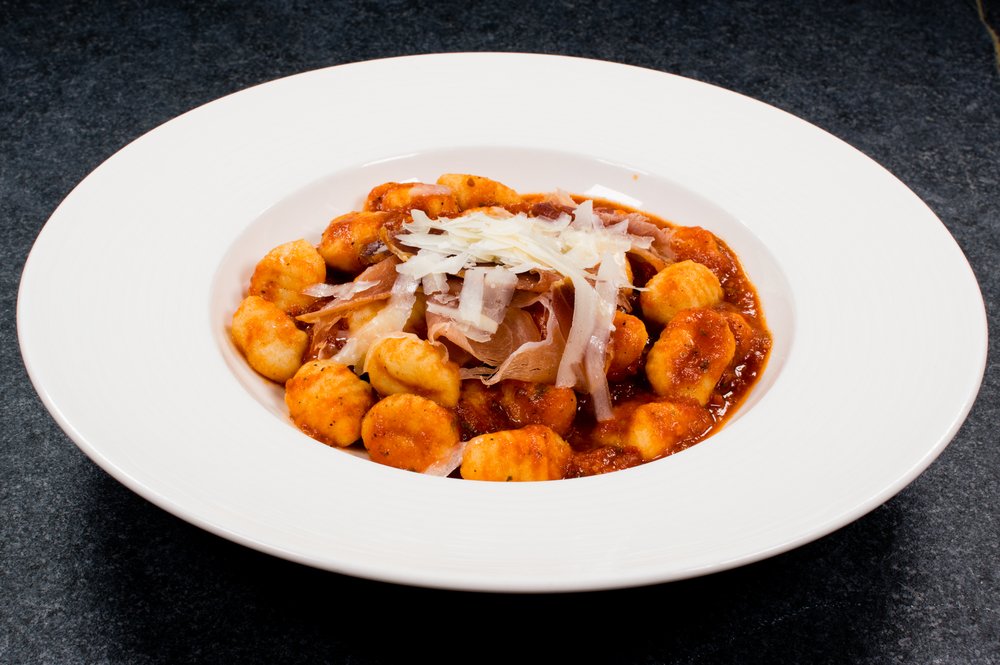
For Italian, Cucci in Oakville and DiMario's Trattoria in Burlington are long-established institutions. The Mexican Way in Acton has built a regional following for its family-run Latin cooking. On the café side, Sunshine Doughnut Co. in Burlington and WildFlour Bakery in Milton are genuine local staples — not chains, and not pretending to be something they're not.
Nightlife is centered around Elements Casino Mohawk in Milton, which hosts live music and DJ sets on weekends alongside a full gaming floor. For performing arts, the Oakville Centre for the Performing Arts and John Elliott Theatre in Georgetown offer rotating programming that punches well above regional expectations.
Halton covers the full spectrum from international luxury to handmade local goods, often within the same afternoon.
Toronto Premium Outlets in Halton Hills is a regional destination — over 130 brands including Gucci, Prada, Burberry, and Saint Laurent at significant discounts. If you're planning a weekend visit, Tuesday or Wednesday is meaningfully better than weekends, where parking wait times can still exceed 45 minutes. Mapleview Shopping Centre in Burlington serves as the region's premier fashion hub, with Apple, Aritzia, Sephora, and Zara among its anchors.
Downtown Oakville offers a genuinely strollable luxury retail district — boutique clothing, artisan jewelry, and specialized home décor in a walkable heritage setting. Village Square in Burlington recreates a turn-of-the-century town square atmosphere with unique gift shops and specialty services. For something harder to find, Glen Williams is an artist community with hand-blown glass, pottery studios, and rare antiques that draw collectors from across the GTA.
Grocery options reflect the region's food sophistication. Farm Boy has become the local favorite for artisanal private-label products and high-quality produce, with locations across Oakville and Burlington. The Milton Farmers' Market — running Saturdays from May through October — is among the largest in Ontario. Nations Fresh Foods adds multicultural depth with an international food court and live seafood counters.
The Niagara Escarpment and Conservation Halton's 10,000+ acres of protected land give Halton a recreational profile that most regions three times its size would envy.
Kelso Conservation Area functions as a year-round hub — supervised beach and Kelso Cove Waterpark in summer, Glen Eden ski and snowboard hill in winter. Mount Nemo and Rattlesnake Point offer some of the most dramatic hiking and world-class rock climbing in Ontario, with Escarpment-edge views that justify the drive from anywhere in the GTA. Crawford Lake stands apart for its rare meromictic lake — where water layers don't mix — alongside a reconstructed 15th-century Iroquoian village.
On the water, Burlington Beach anchors a 25km waterfront trail system. Coronation Park in Oakville is a Saturday-morning institution for families, famous for its lakeside playgrounds and splash pad programming. Bronte Creek Provincial Park offers one of the region's most distinctive features — a 1.8-acre swimming pool and a Play Barn for younger children.
Golf is a serious pursuit here. Glen Abbey Golf Club in Oakville is a multiple Canadian Open host. Lowville Golf Club and Glencairn offer challenging elevation changes against Escarpment backdrops. For quieter recreation, Fairy Lake in Halton Hills is the go-to for kayaking and birdwatching in a genuinely peaceful setting.
Halton's culture resists easy categorization. It's simultaneously "Old Ontario" agricultural heritage and modern multicultural sophistication — and somehow both feel authentic.
Oakville consistently ranks #1 in Canada for Culture Days participation in September and October, offering hundreds of free interactive arts workshops. Burlington runs its own Festival Hub in parallel. In Halton Hills, cultural identity is rooted in volunteerism and local pride — the Acton and Georgetown Fall Fairs are multi-day traditions with demolition derbies, livestock competitions, and the kind of community energy that doesn't get manufactured.
Food culture has become a genuine pillar. Taste of Oakville and the Main Street Menu festival in Halton Hills showcase curated prix-fixe dining that reflects how seriously the region takes its restaurant scene. The "Buy Local" movement is well past trend status here — it's infrastructure, supported by farmers' markets in every municipality.
There's a growing emphasis on Indigenous history and reconciliation. The Joseph Brant Museum in Burlington and local heritage sites actively program exhibits honoring the land's Indigenous roots. Lifestyle-wise, the typical Halton resident is active, community-oriented, and comfortable spending $7 on a latte before a 10km hike. That's not a stereotype — it's a fairly accurate read of what the culture rewards.
Halton's public school system is widely considered the strongest in Ontario. Both the Halton District School Board (HDSB) and Halton Catholic District School Board (HCDSB) post results consistently above provincial averages, and the region's secondary schools compete with the best in the country.
At the secondary level, Oakville leads with Abbey Park and Iroquois Ridge tied at a Fraser Rating of 9.3, placing them 8th in the province. Oakville Trafalgar follows at 9.2. Burlington's Dr. Frank J. Hayden and Nelson High School hold strong positions for both academic and athletic programming. In Milton, St. Francis Xavier is recognized for high-tech facilities and specialized programming.
Elementary standouts include Forest Trail in Oakville at a perfect 10/10 Fraser score, and John T. Tuck in Burlington at 8.8 with a strong community reputation.
Specialized programs add significant depth. STEAM programming is available at St. Ignatius of Loyola in Oakville and St. Francis Xavier in Milton. International Baccalaureate diplomas are offered at St. Thomas Aquinas and White Oaks Secondary. For private options, Appleby College in Oakville is internationally recognized as a boarding and day school with tuition ranging from $35,000 to $50,000+. MacLachlan College and St. Mildred's-Lightbourn School round out the private tier.
Post-secondary access is excellent. Sheridan College in Oakville is a global leader in animation and musical theatre. McMaster University and the University of Toronto Mississauga campus are both within a 20-minute drive.
Transit is one of Halton's most underrated assets, and 2026 marks a meaningful milestone in that story.
The Lakeshore West GO line now runs 15-minute two-way, all-day service to Toronto Union Station from Oakville and Burlington — a genuine game-changer for commuters who previously planned their days around rush-hour schedules. The Milton GO line still operates primarily on weekday rush-hour patterns with expansion underway, currently delivering a roughly 63-minute average commute to Union Station. Burlington Transit, Oakville Transit, and Milton Transit have integrated their payment systems, enabling seamless one-fare transfers when connecting to GO service.
By road, the QEW and 403 are the primary lakeside arteries connecting Oakville and Burlington to Toronto and Niagara. Morning congestion near the Ford Drive interchange is a reliable variable to plan around. The 401 handles Milton's commuter volume — recent lane expansions have helped, but it remains one of the busiest corridors in North America. The 407 toll highway provides a congestion-free alternative across the top of the region for time-sensitive trips where the toll cost is worth it.
Regional Roads 1 (Guelph Line) and 3 (Trafalgar Road) serve as the essential north-south connectors linking Escarpment communities to lakeside urban centers. For February 2026 drivers specifically, Community Safety Zones on Dundas Street and Upper Middle Road now carry doubled speeding penalties.
Burlington delivers the closest thing to urban waterfront living within Halton. The downtown core along Lakeshore Road offers walkable restaurants, boutique retail, and direct lake access. Aldershot is increasingly popular for its GO station access and older-stock homes with larger lots. The Orchard and Millcroft neighborhoods attract families for their school access and park connectivity.
Halton Hills is for buyers who want more land, more quiet, and a genuine small-town feeling without sacrificing proximity to the GTA. Georgetown's historic core has real architectural character. Glen Williams is one of the most distinctive artist communities in Ontario. Acton offers the region's most accessible price points for detached homes, making it the strongest entry-level opportunity in Halton.
Milton has absorbed extraordinary growth without losing its livability. The Beaty and Clarke neighborhoods offer well-priced detached homes with excellent school access. Coates and Scott are popular with young families for their park systems and proximity to GO service. Milton's relative affordability — combined with ~8% year-over-year price appreciation — makes it the region's most compelling growth story for buyers with a long-term horizon.
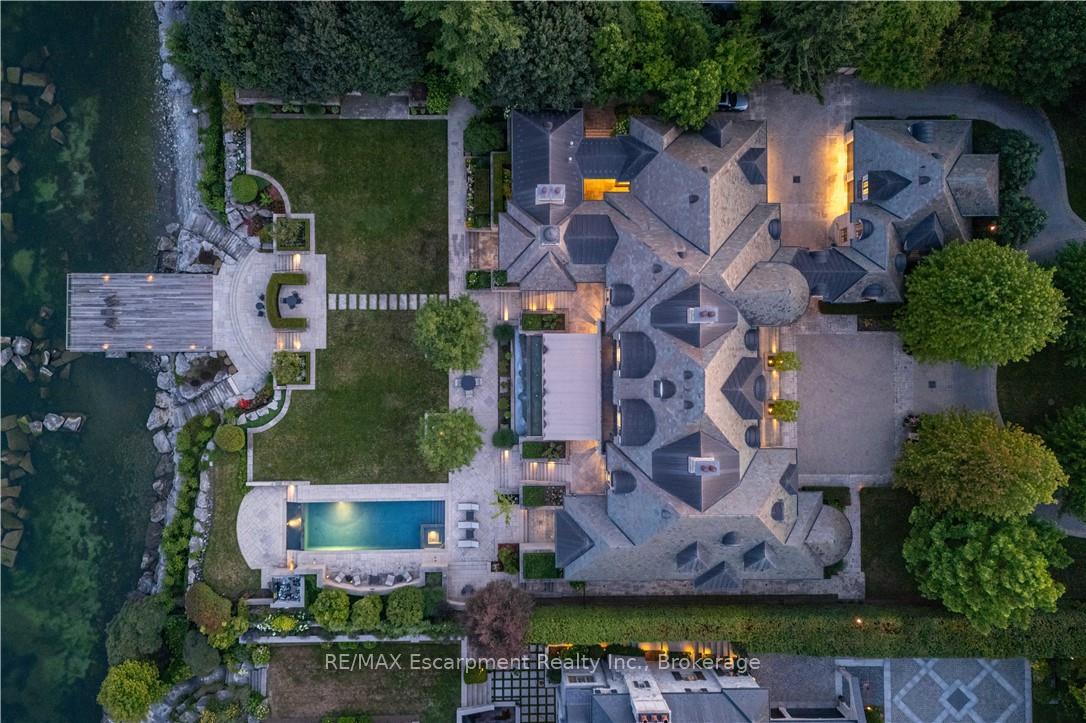
Oakville is Halton's premium address, full stop. Old Oakville and Morrison offer historic estates and tree-lined streets within walking distance of the harbour. Bronte Village provides a relaxed lakeside community with its own marina identity. Joshua Creek and River Oaks attract professionals seeking newer construction and top secondary school catchments. For buyers targeting the very best of Halton, South Oakville remains one of the most desirable addresses in Canada.
People move to Halton for practical reasons — the schools, the commute, the safety rankings — and they stay for reasons that are harder to quantify.
It's a region that has managed to grow aggressively while holding onto things worth keeping: a functioning trail system, a farmers' market culture, architectural heritage in its village cores, and a genuine sense of community that larger cities tend to lose somewhere along the way. The Niagara Escarpment gives it a natural drama that most suburban regions simply don't have. The lake gives its southern edge a resort-town quality that makes February in Burlington feel less like surviving winter and more like living somewhere intentional.
What makes Halton work as a long-term place to live is the range it offers within a compact geography. You can be at a MICHELIN-starred restaurant in Oakville, hiking a UNESCO Biosphere Reserve trail in Halton Hills, and watching a Canadian Open golf tournament — all without leaving the region. That's not marketing. That's just what's here.
There's plenty to do around Halton Region, including shopping, dining, nightlife, parks, and more. Data provided by Walk Score and Yelp.
Explore popular things to do in the area, including Aspect Roaster, Orange Snail Brewers, and North American Herb & Spice Canadian.
| Name | Category | Distance | Reviews |
Ratings by
Yelp
|
|---|---|---|---|---|
| Dining | 0.13 miles | 1 review | 5/5 stars | |
| Dining | 0.36 miles | 6 reviews | 4.7/5 stars | |
| Dining | 0.36 miles | 0 reviews | 0/5 stars | |
| Dining | 0.37 miles | 6 reviews | 3.3/5 stars | |
| Dining | 0.41 miles | 2 reviews | 1/5 stars | |
| Dining | 0.42 miles | 0 reviews | 0/5 stars | |
| Dining · $$ | 0.45 miles | 58 reviews | 3.6/5 stars | |
| Dining | 0.45 miles | 3 reviews | 3/5 stars | |
| Dining | 0.46 miles | 0 reviews | 0/5 stars | |
| Active | 0.12 miles | 0 reviews | 0/5 stars | |
| Beauty | 0.39 miles | 0 reviews | 0/5 stars | |
| Beauty | 0.39 miles | 0 reviews | 0/5 stars | |
| Beauty | 0.39 miles | 0 reviews | 0/5 stars | |
| Beauty | 0.41 miles | 0 reviews | 0/5 stars | |
| Beauty | 0.44 miles | 0 reviews | 0/5 stars | |
| Beauty | 0.44 miles | 0 reviews | 0/5 stars | |
| Beauty | 0.44 miles | 2 reviews | 4/5 stars | |
| Beauty | 0.45 miles | 0 reviews | 0/5 stars | |
| Beauty | 0.45 miles | 0 reviews | 0/5 stars | |
| Beauty | 0.46 miles | 0 reviews | 0/5 stars | |
| Beauty | 0.46 miles | 0 reviews | 0/5 stars | |
| Beauty | 0.46 miles | 0 reviews | 0/5 stars | |
| Beauty | 0.47 miles | 0 reviews | 0/5 stars | |
|
|
||||
|
|
||||
|
|
||||
|
|
||||
|
|
||||
|
|
Halton Region has 208,600 households, with an average household size of 2.8. Data provided by Statistics Canada. Here’s what the people living in Halton Region do for work — and how long it takes them to get there. Data provided by Statistics Canada.
Total Population
Population Density Population Density This is the number of people per square mile in a neighborhood.
Median Age
Men vs Women
Population by Age Group
0-9 Years
10-17 Years
18-24 Years
25-64 Years
65-74 Years
75+ Years
Education Level
Total Households
Average Household Size
Average individual Income
Households with Children
With Children:
Without Children:
Marital Status
Blue vs White Collar Workers
Blue Collar:
White Collar:
Discover listings and statistics in Southern Ontario's most sought-after locations.