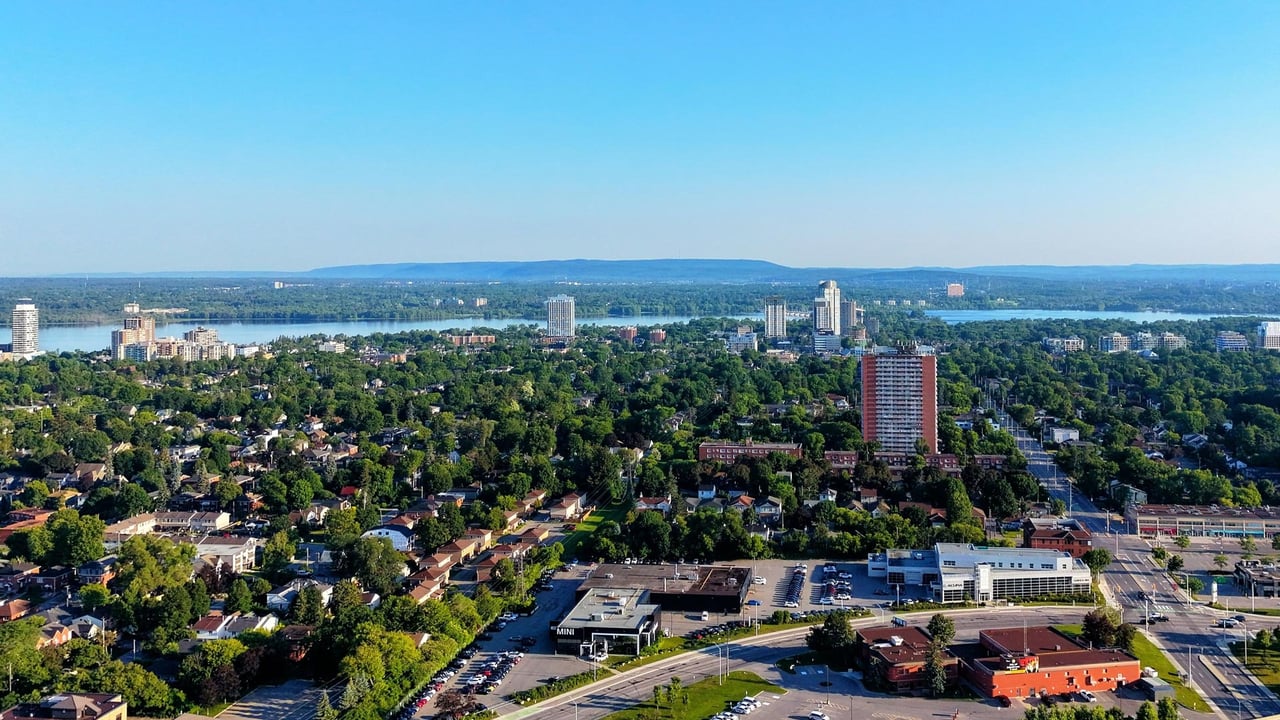
2,794,356 people live in Toronto, where the median age is 39.6 and the average individual income is $121,200. Data provided by Statistics Canada.
Total Population
Median Age
Population Density Population Density This is the number of people per square mile in a neighborhood.
Average individual Income
Toronto isn't one city so much as a collection of villages that happen to share a transit map. Where you choose to live here shapes your commute, your weekends, your kids' schooling, and — not least — what your money buys. This guide walks through what actually matters when you're deciding where in Toronto to plant roots, with the local detail that separates a confident decision from an expensive guess.
Toronto earns its reputation as a "city of neighbourhoods" because each pocket runs like its own micro-culture, with its own pace, price point, and personality.
Toronto's market has shifted decisively in the buyer's favour, and understanding that shift is the difference between overpaying and negotiating from strength.
The overall average selling price sits around $1,051,969, down roughly 4.9% year-over-year. The clearer signal is the Sales-to-New-Listings Ratio of about 35% — anything under 40% is a buyer's market, which means purchasers can once again include financing and home-inspection conditions that were unthinkable a few years ago.
Here's how pricing breaks down by property type:
| Property Type | Average Price | Year-over-Year |
|---|---|---|
| Detached (City Core) | ~$1,337,780 | Down ~6.5% |
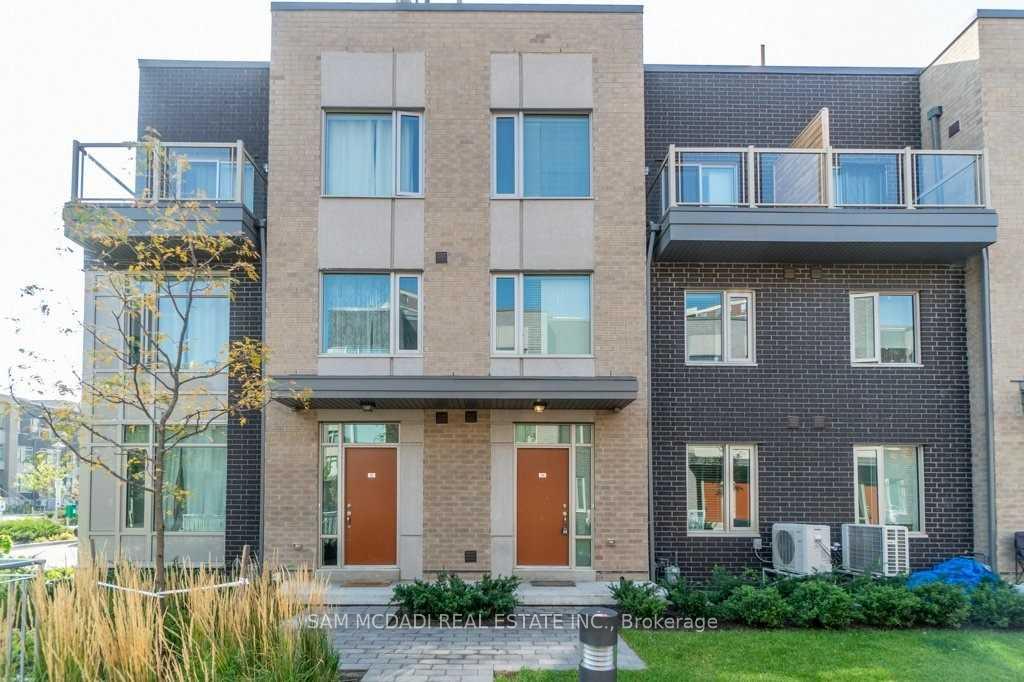
| Townhouses / Multiplexes | ~$688,900 | Down ~8.1% |
| Condo Apartments | ~$540,200 | Down ~8.9% |
Condos have fallen hardest, which is precisely why first-time buyers are returning — nearly a quarter of recent condo transactions landed in the affordable $400,000–$599,999 range. There's a longer game worth watching too: new housing starts are near two-decade lows as developers pause projects, which means today's healthy inventory could tighten sharply by the end of the decade.
On timing, the median property now spends 24 to 25 days on the market. Well-priced detached homes in sought-after neighbourhoods still move closer to 19 days, while saturated condo units often sit 30 days or longer as buyers take their time.
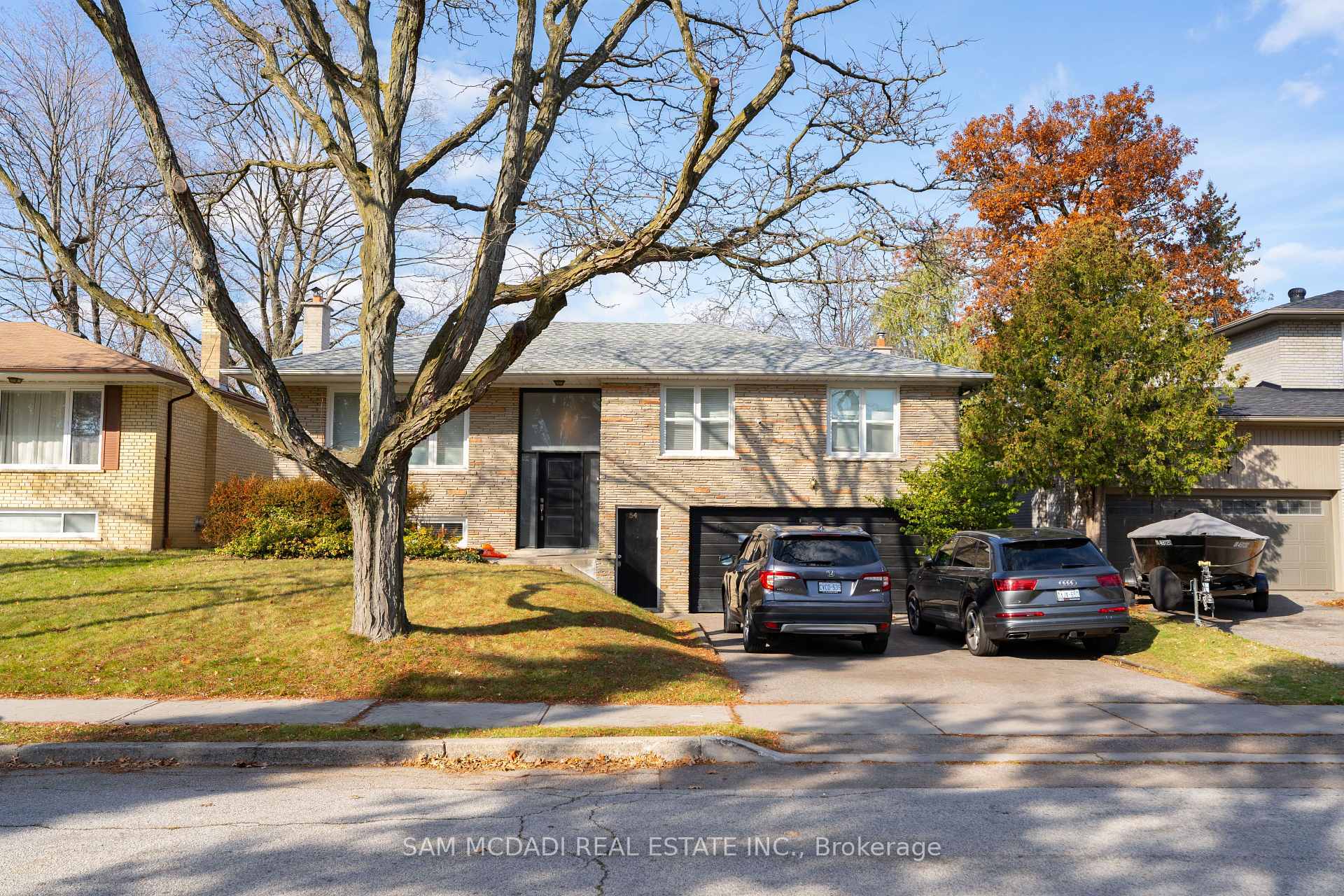
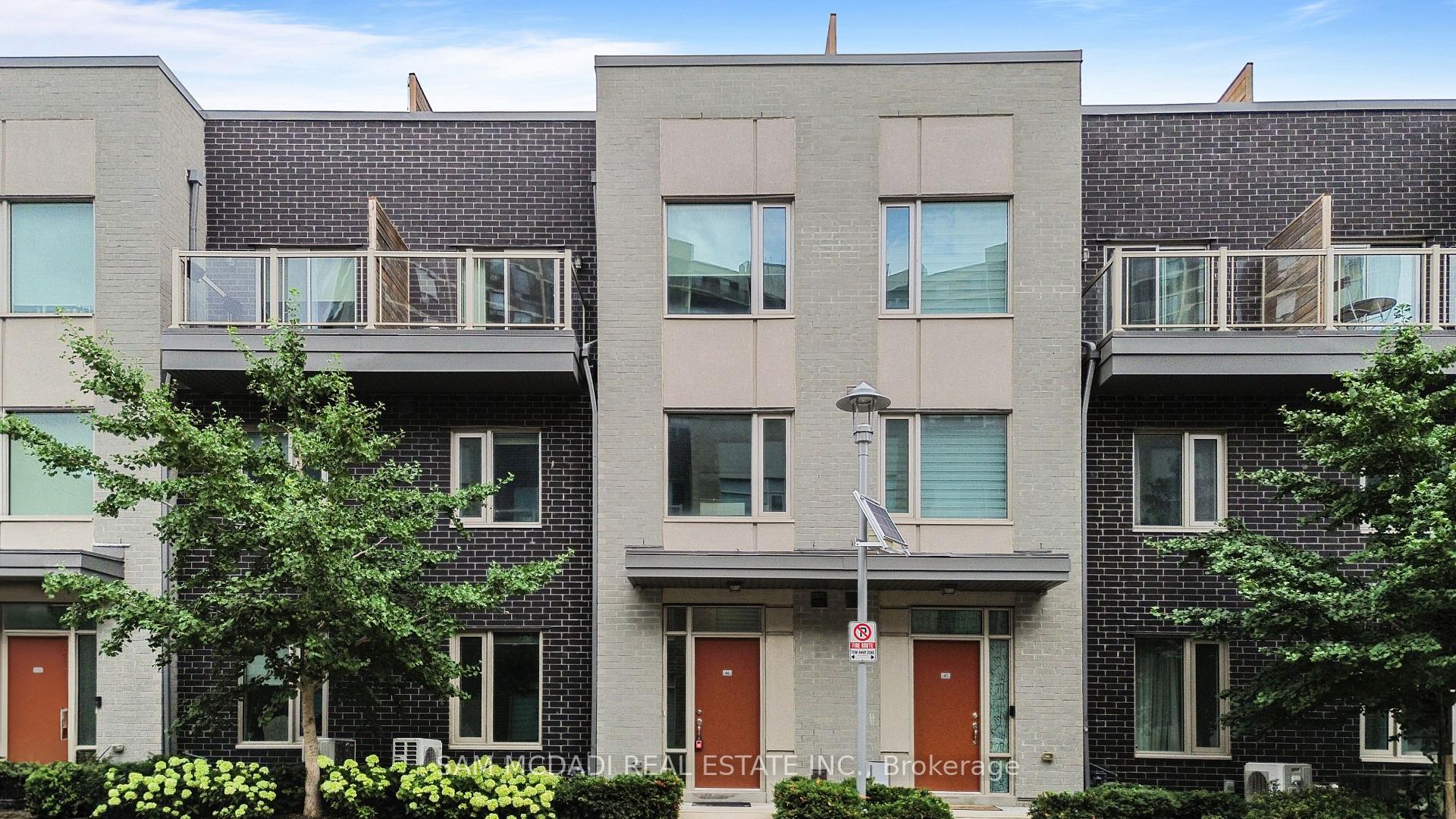
Toronto's housing tells the story of a colonial outpost that became a global city, and the architecture varies dramatically from one neighbourhood to the next.
In older central areas like Cabbagetown, The Annex, and Rosedale, you'll find 19th-century Victorians and grand Edwardians — bay windows, steep gables, ornate trim, soaring ceilings. Their heritage designations make them rare, coveted, and priced at a premium.
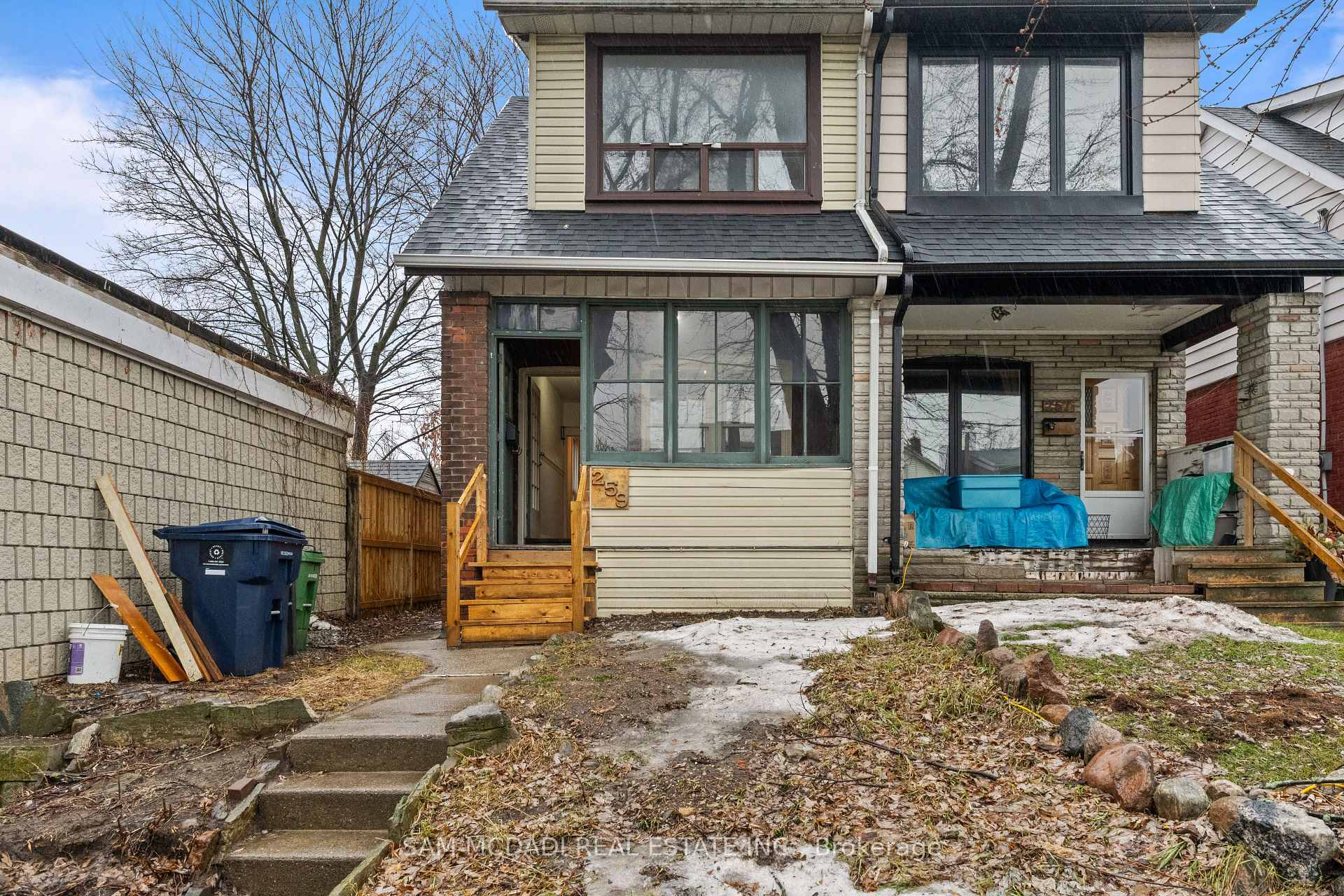
Across the west and east ends, in places like Little Italy and Riverdale, the semi-detached brick home dominates Toronto's "missing middle." Recent zoning reform now allows "as-of-right" multiplex conversions, letting owners split these larger older homes into up to four (and sometimes six) self-contained units without sacrificing the historic facade — a meaningful opportunity for investors and multi-generational families alike.
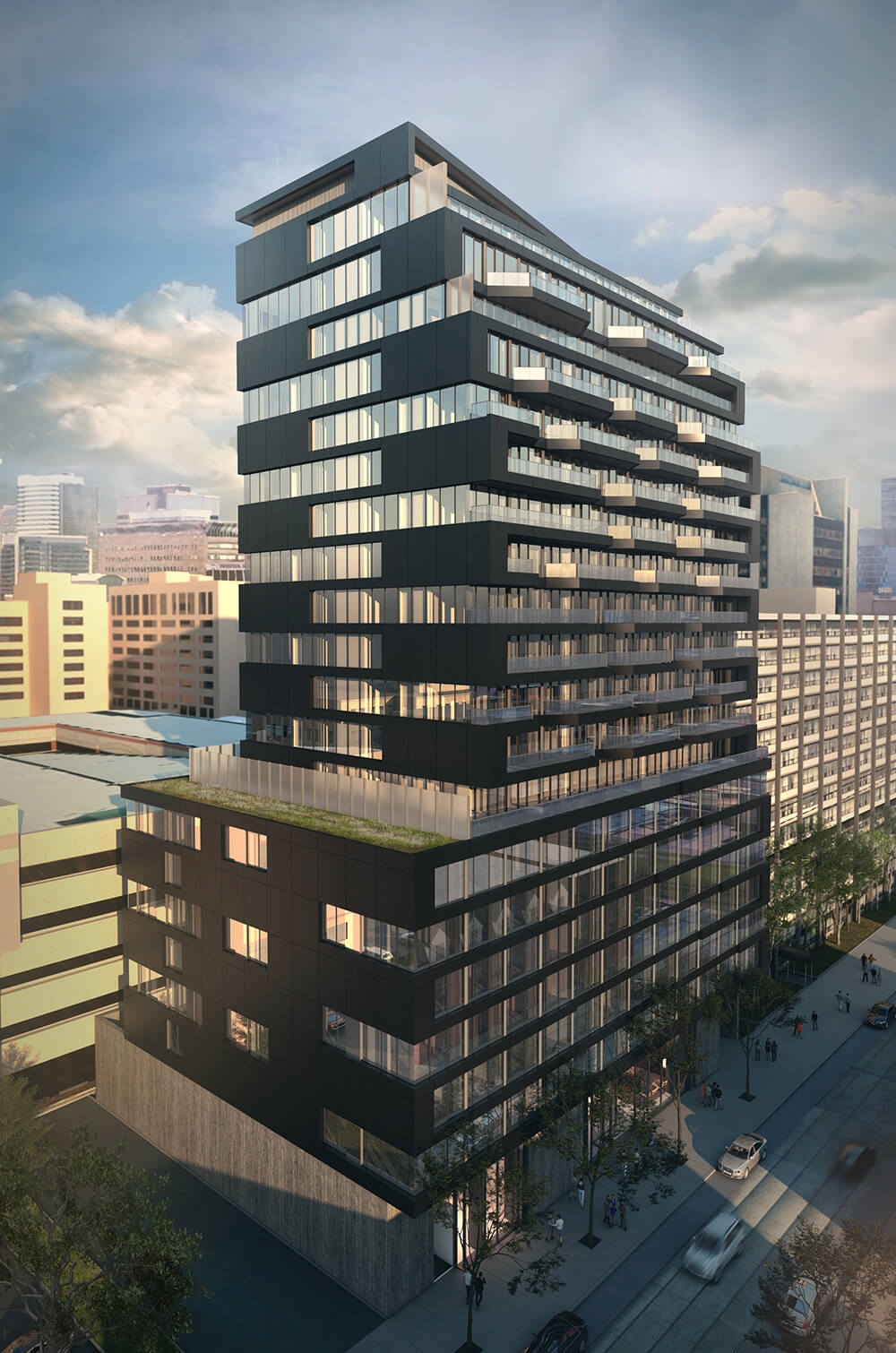
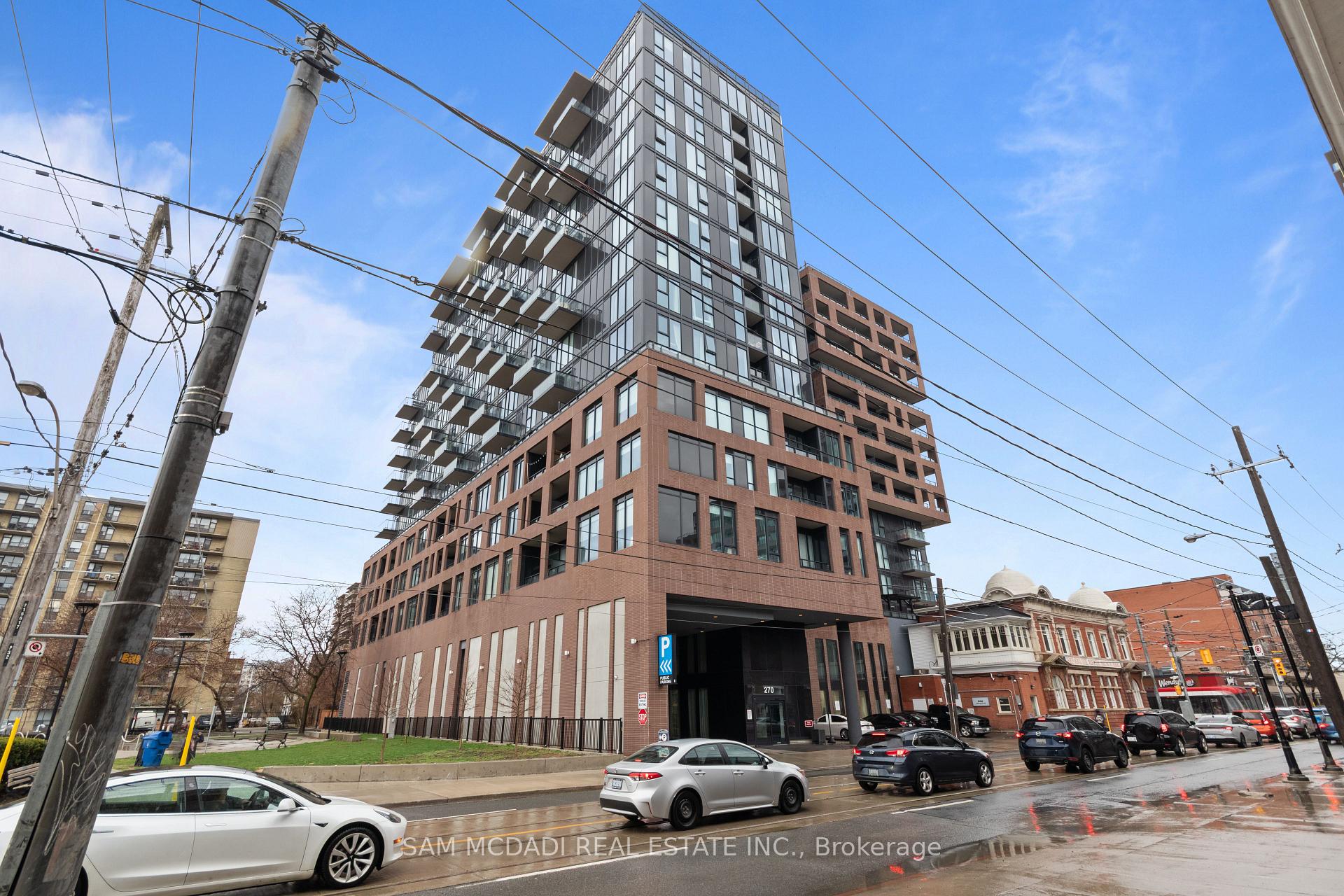
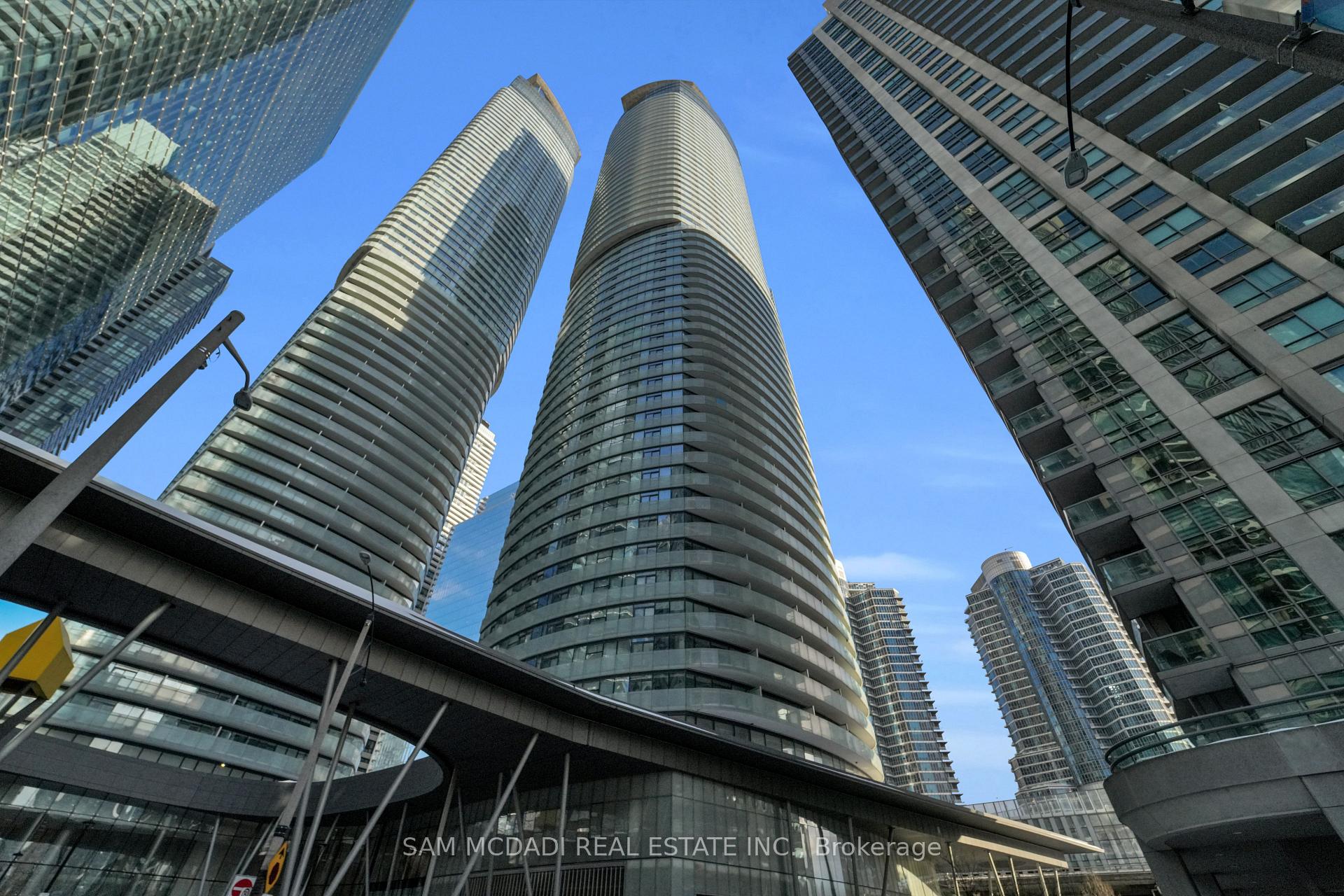
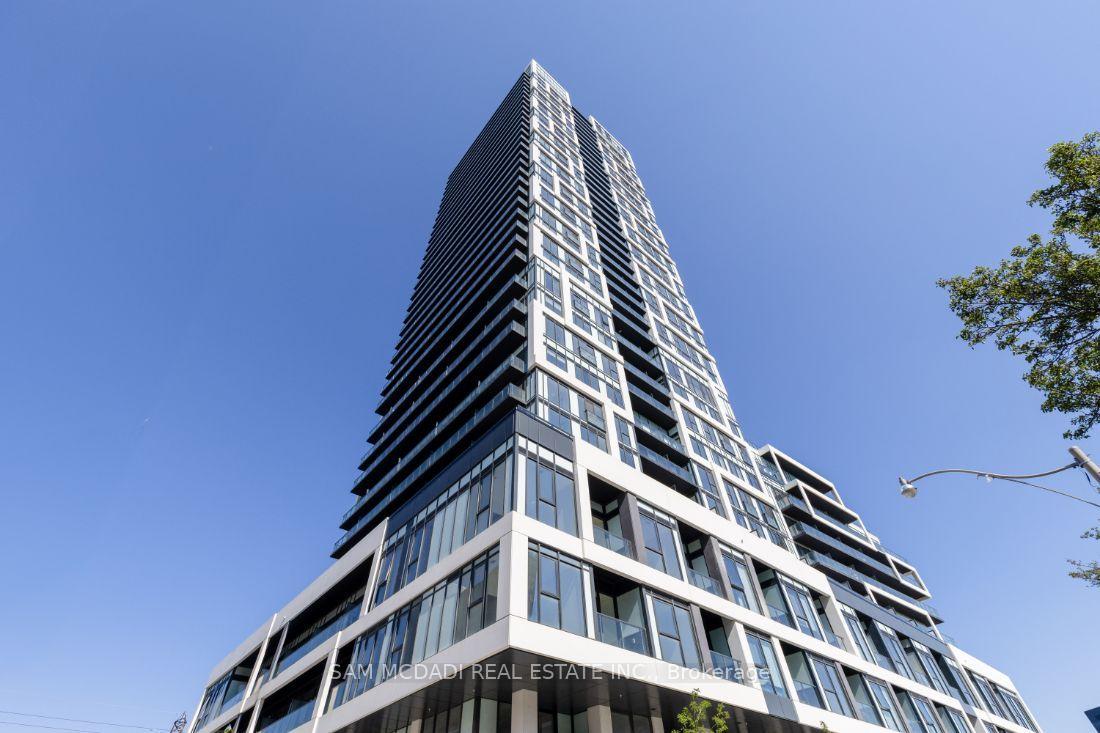
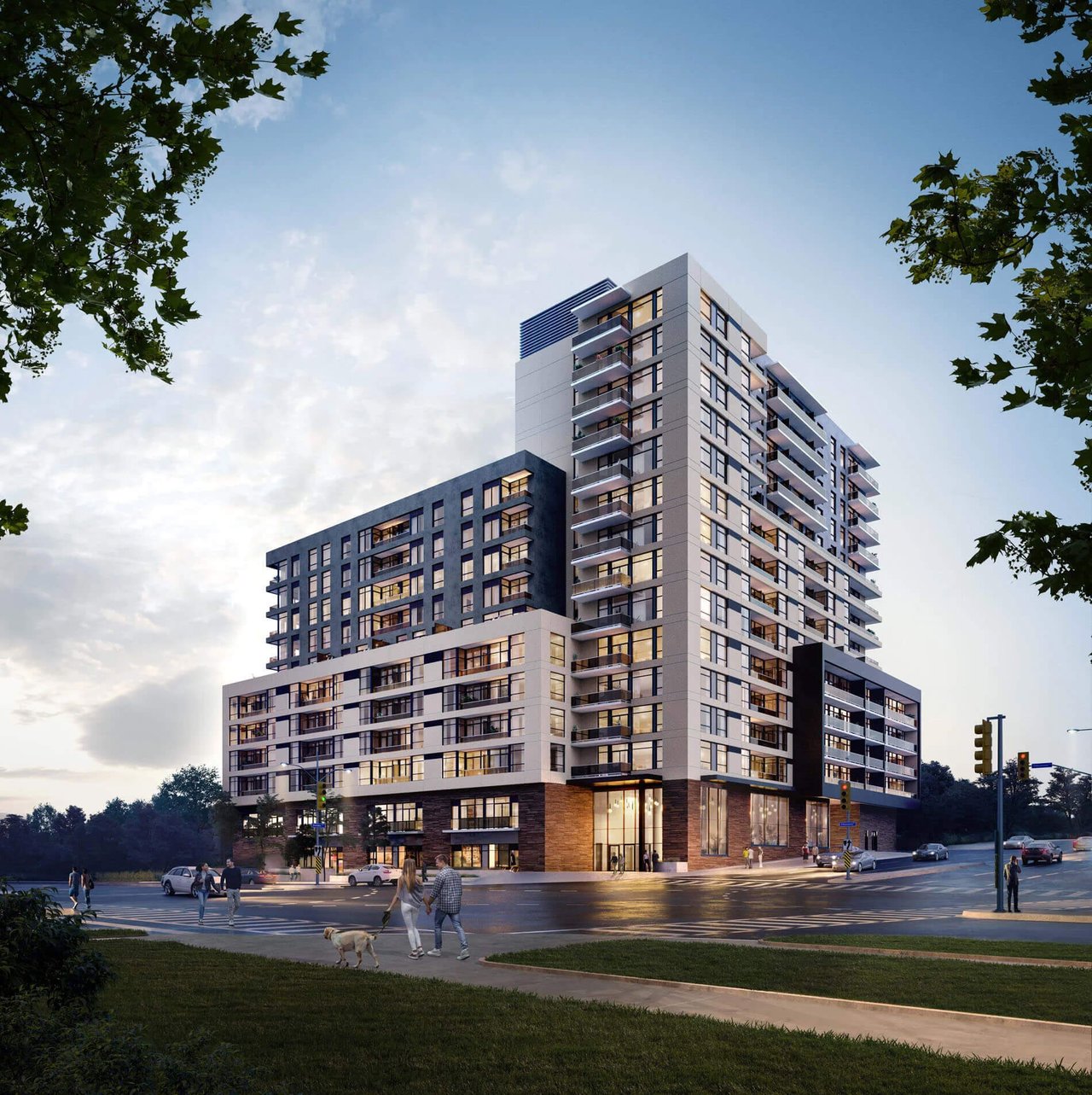
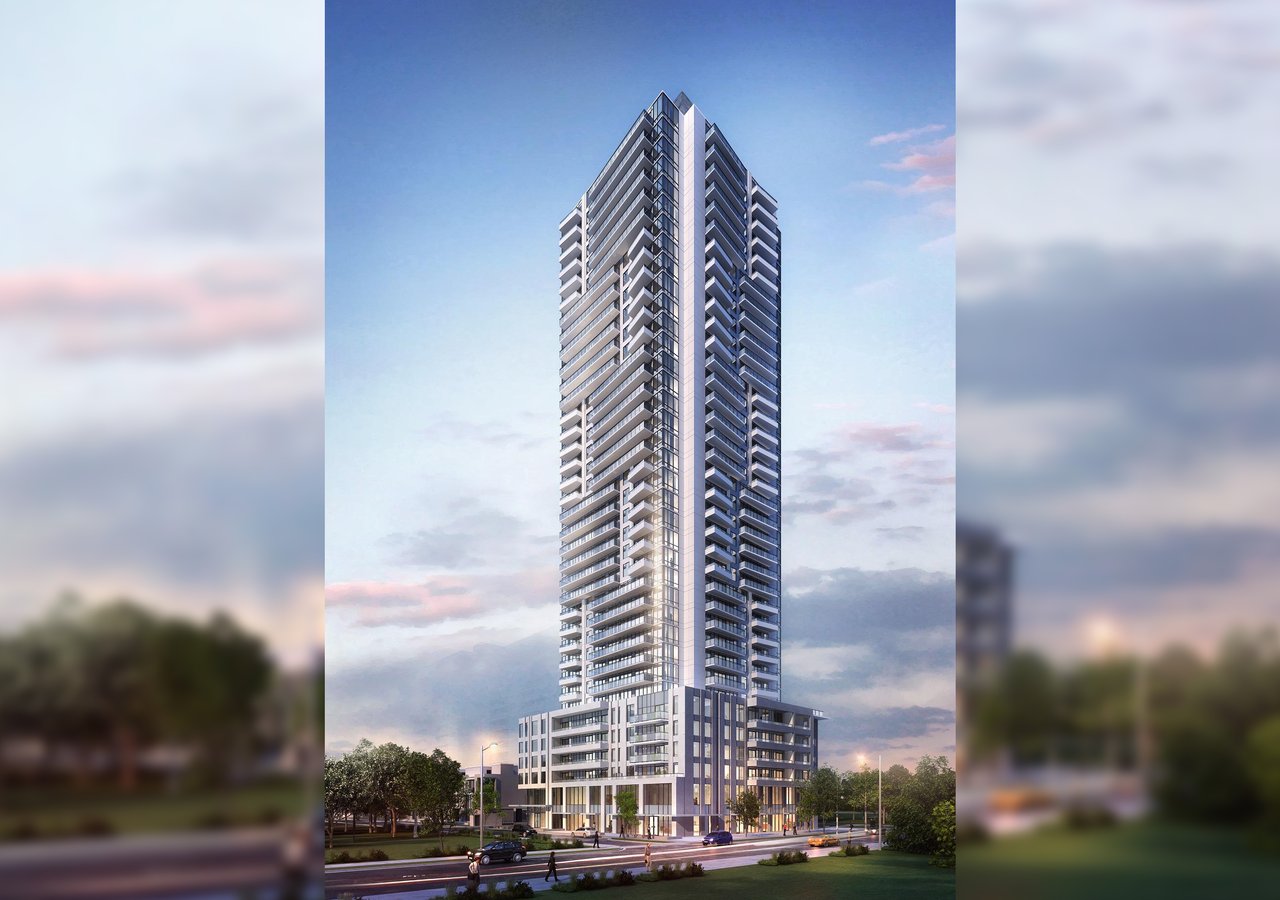
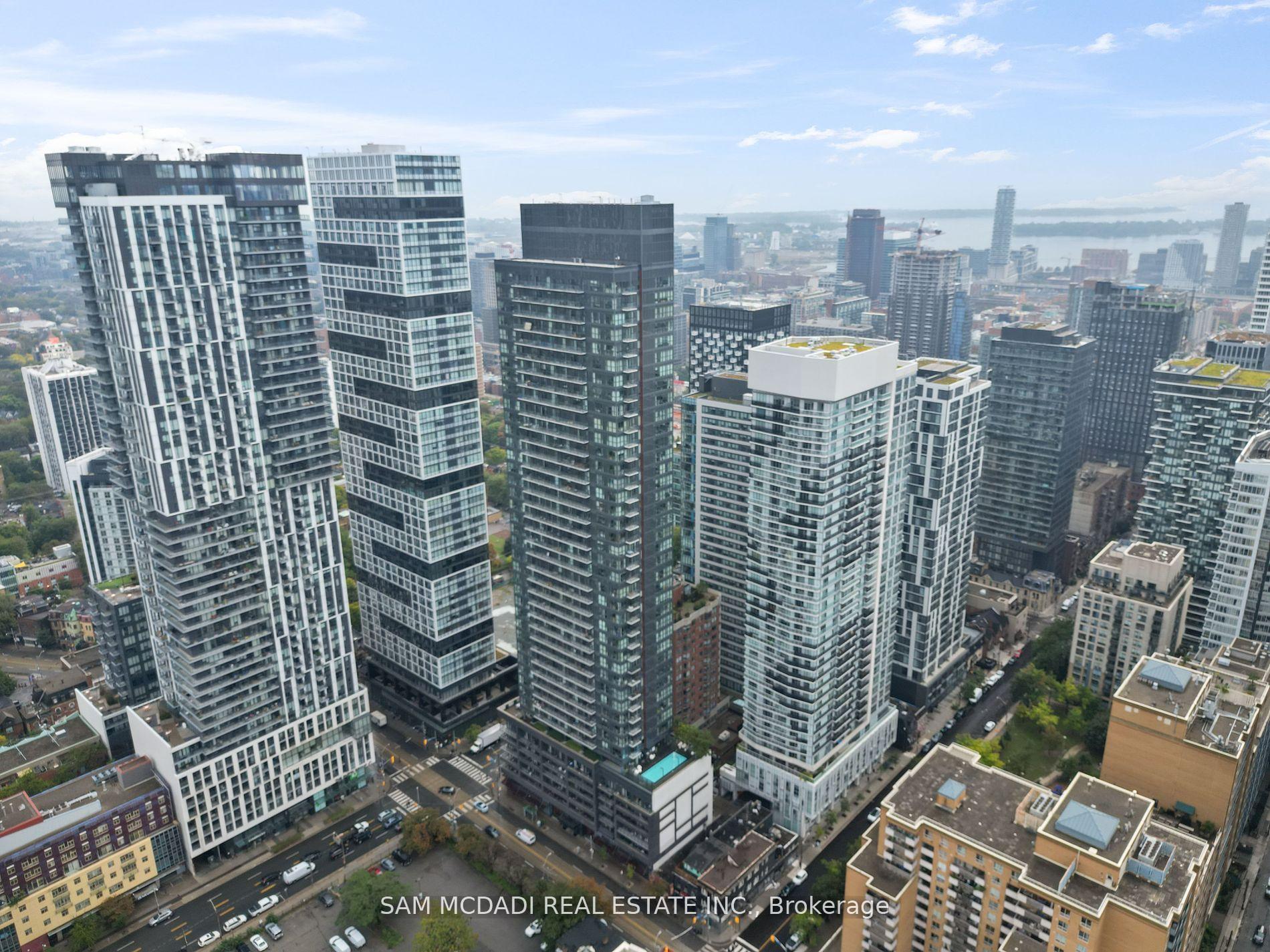
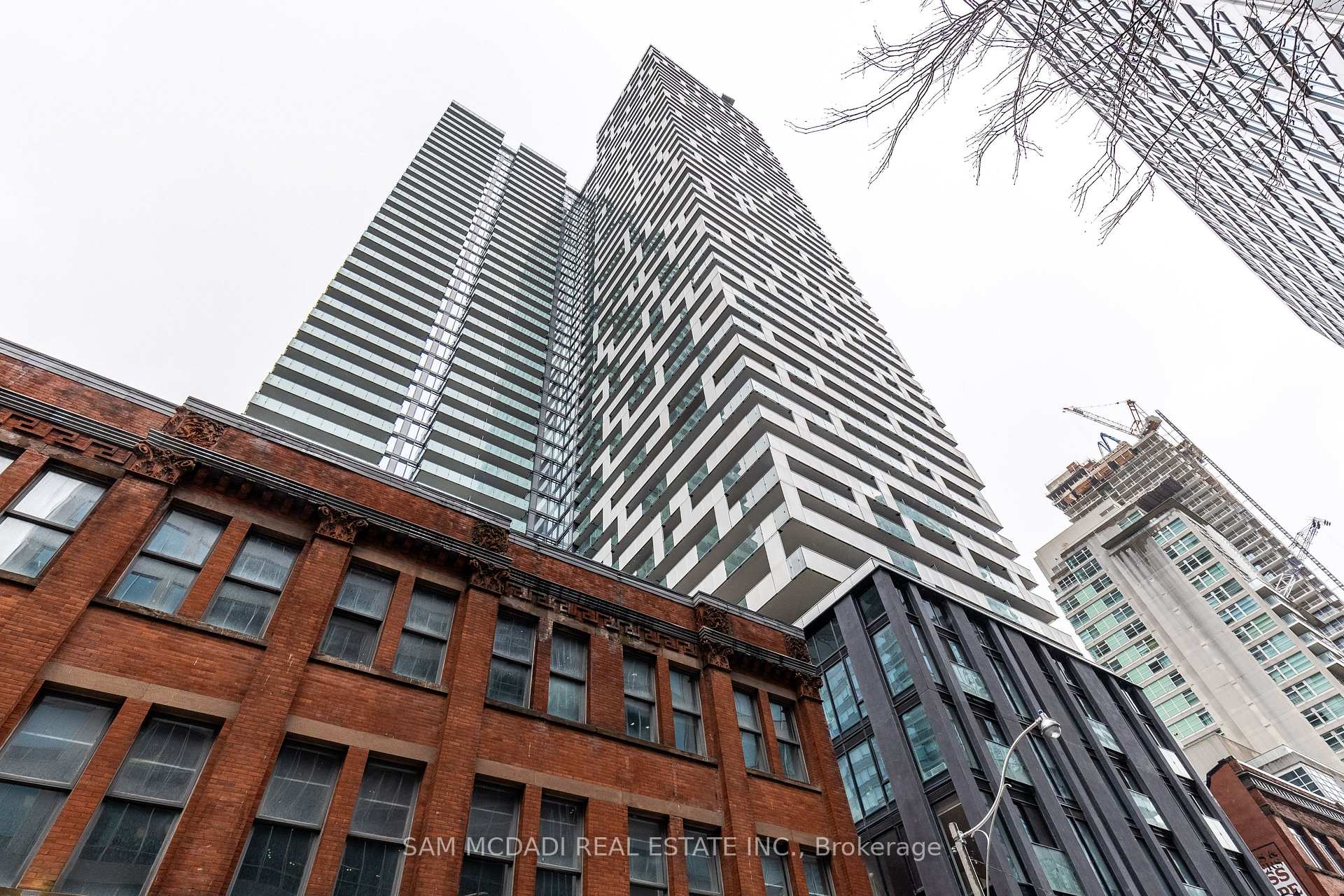
The downtown core, waterfront, and major transit intersections belong to glass-and-steel high-rises, though the city has deliberately pushed mid-rise buildings of five to eleven storeys along main avenues like St. Clair to keep neighbourhoods human-scaled.
Finally, the most exciting recent shift: laneway and garden suites. Owners with detached garages or lots backing onto the city's alley network are converting that space into secondary homes — unlocking hidden inventory, housing extended family on a single lot, or generating rental income.
In Toronto, transit access isn't a convenience — it's a pricing factor. Properties within a comfortable walk of a reliable line routinely trade at a 5% to 20% premium over identical homes just outside that radius.
The subway anchors everything. Line 1 (Yonge-University) runs the U-shaped spine through Union Station; its midtown stops — Summerhill, Rosedale, Lawrence — command some of the highest prices in Canada, with detached homes often clearing $3 million on the strength of a 15-minute ride to the Financial District. Line 2 (Bloor-Danforth) is the main east-west artery favoured by families along The Danforth, High Park, and The Junction, with its eastern end around Warden and Kennedy offering some of the last subway-accessible affordability left in the city. Line 5 (Eglinton Crosstown LRT) has triggered a development boom across midtown, bringing rapid east-west connectivity to neighbourhoods that were historically transit-isolated.
Toronto also kept the streetcar network most North American cities tore out. The 501 Queen, 504 King, and 506 Carlton lines carry neighbourhoods without their own subway stop, such as Leslieville and Liberty Village. The trade-off: most streetcars share the road with traffic, so a 15-minute trip can balloon to 45 in gridlock — which is why savvy buyers favour dedicated right-of-way lines like the 510 Spadina or 509 Harbourfront.
For the commute itself, the local rule of thumb is the "10-minute walk to a station" (the 800-metre effect) — homes inside that radius hold their value best in downturns. Farther out, GO Transit regional rail does the heavy lifting, depositing commuters from Mimico or Scarborough into Union Station in under 20 minutes. And the under-construction Ontario Line is already reshaping investor strategy, with buyers speculating along its future path.
How car-dependent your life will be comes down almost entirely to whether you settle in the historic core or the post-war outer rings.
Downtown neighbourhoods — the Bay Street Corridor, Kensington Market, the Annex, King West — score 90 to 100 on Walk Score, a genuine "Walker's Paradise" where groceries, transit, and entertainment all sit within a 5-to-15-minute stroll and a car becomes a liability rather than an asset. Move past midtown into Scarborough, North York, or Etobicoke and scores drop to the 30–60 range, where wide arterials and strip malls make a vehicle a daily necessity.
Cycling follows a similar pattern. The city has built protected, bollard-separated lanes along corridors like Bloor, Dundas, and Richmond/Adelaide, and the Martin Goodman Trail offers a car-free paved path the full length of the waterfront. The catch is fragmentation — protected lanes can end abruptly, dumping riders into traffic and onto streetcar tracks that catch tires — and heavy winter snow can sideline casual commuters for stretches.
The honest verdict: downtown, a car is optional; in the established east and west ends, most families keep one for weekend trips; in the suburbs, plan on driving.
For families, school catchments drive real estate decisions as much as the house itself — buyers routinely pay a 10% to 15% premium to land inside a specific school's boundary.
The Toronto District School Board (TDSB) — Canada's largest — assigns students by fixed attendance boundaries, so your address legally entitles your child to the designated school. Want a school outside your zone? You apply through the Out-of-Area Admissions process, but the most desirable public schools (Whitney in Rosedale, Allenby in midtown) are almost always classified Closed to outside applicants because local demand fills them.
The publicly funded Toronto Catholic District School Board (TCDSB) requires at least one parent (or the child) to be a baptized Roman Catholic for elementary admission, while its high schools welcome all faiths. Because there are fewer Catholic schools, their catchment zones tend to be broader than the TDSB's.
Both boards run French Immersion programs out of designated regional hub schools rather than every local school, and the TDSB also operates competitive specialized programs in academics and the arts that admit by audition or portfolio rather than address.
Outside the public system, Toronto is home to some of Canada's most established private schools — Upper Canada College, Bishop Strachan, Havergal, Branksome Hall, University of Toronto Schools, and the Toronto French School among them — which operate independently of where you live but require testing and tuition.
Toronto is a Michelin-recognized food city, and its dining and retail life runs along historic commercial main streets, each with its own flavour.
Ossington Avenue and King Street West form the premier hospitality corridor — Ossington dense with acclaimed restaurants, natural wine bars, and micro-cafés; King West leaning into high-energy upscale dining and multi-level lounges. For luxury, Bloor-Yorkville is the city's core: the "Mink Mile" carries Chanel, Hermès, and Gucci flagships, while Yorkville's cobblestone side streets hide white-tablecloth mainstays and contemporary art galleries.
The cultural strips are where Toronto's food scene truly distinguishes itself. Chinatown and Kensington Market offer some of the most dynamic street food and independent grocers on the continent; The Danforth is the heart of Greek dining; and St. Clair West is beloved for its artisanal Italian eateries and gelaterias.
Day-to-day, the city is exceptionally well served — luxury grocers like Pusateri's and flagship Loblaws (one built inside the former Maple Leaf Gardens) anchor the affluent core, while Metro and local fruit markets at nearly every major intersection make food deserts virtually nonexistent downtown.
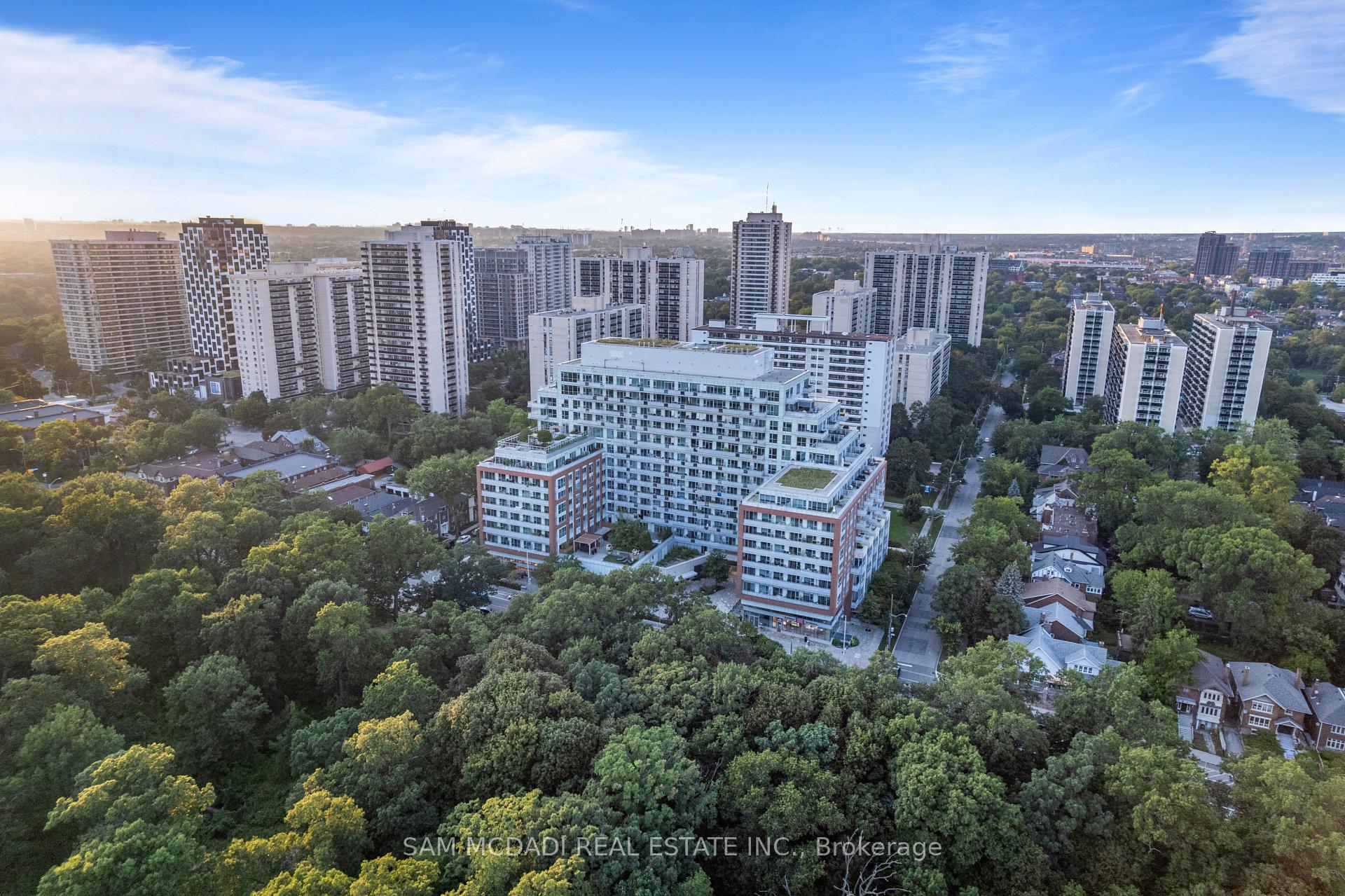
Toronto's nickname — "a city within a park" — comes from a geographic feature found almost nowhere else: a massive, interconnected urban green network.
The defining element is the 12,000-year-old glacial ravine system, over 150 ravines across seven watersheds (the Don, Humber, and Rouge rivers among them), covering roughly 17% of the city's total land area. Because the Ravine and Natural Feature Protection Bylaw sharply restricts development in these zones, homes backing directly onto a ravine are among the most valuable in Canada — which is why Rosedale, Lawrence Park, and the Kingsway wrap themselves around these forested valleys. Stepping into one feels like leaving the city entirely: a hidden midtown staircase opens onto miles of dirt trail, century-old canopy, and creeks, with hubs like the Evergreen Brick Works functioning as weekend destinations in their own right.
The southern edge belongs to Lake Ontario, transformed by billions in revitalization from industrial docklands into public space. The Harbourfront and Sugar Beach offer a continuous boardwalk, urban beaches, and kayak rentals; the car-free Toronto Islands sit a 15-minute ferry from the Financial District and deliver the city's ultimate escape; and High Park, 400-plus acres in the west end, is Toronto's answer to Central Park, famous for the cherry blossoms that draw crowds each spring.
More than parks or transit, it's culture that gives each Toronto neighbourhood its soul — the city is fundamentally a mosaic of immigrant enclaves and distinct main streets.
Greektown on the Danforth keeps its Hellenic character visible in blue-and-white storefronts, souvlaki spots, and traditional bakeries, and hosts Taste of the Danforth, one of Canada's largest food festivals. Little Italy on College Street blends trattorias, pool halls, and patios that overflow during European football tournaments with a student-driven nightlife fed by the nearby university. Leslieville represents the modern counterpoint — a working-class factory district reborn through indie coffee roasters, vintage boutiques, and a collaborative creative culture.
And those are only the headliners. Kensington Market (bohemian, anti-corporate, famous for its Pedestrian Sundays), Chinatown, Little Portugal, and The Annex all sit within a short walk of one another, so that a 20-minute stroll in nearly any direction drops you into an entirely different cultural layer of the city.
Looking only at the purchase price leaves out a financial blind spot that catches many Toronto buyers off guard — the city is genuinely more expensive to transact in than anywhere else in Ontario.
The reason is the Municipal Land Transfer Tax (MLTT). Everywhere else in the province you pay a single Provincial Land Transfer Tax; buy inside the City of Toronto and you pay that again at the municipal level. In practice, you owe double the land transfer tax of someone buying an identical home across the boundary in Mississauga or Vaughan. Both taxes use graduated brackets that, up to $2 million, mirror each other:
| Purchase Price Portion | Rate (each tax) |
|---|---|
| Up to $55,000 | 0.5% |
| $55,001 – $250,000 | 1.0% |
| $250,001 – $400,000 | 1.5% |
| $400,001 – $2,000,000 | 2.0% |
For luxury homes the municipal side escalates aggressively — 2.5% from $2M–$3M, climbing to 6.5% and beyond on homes over $5M. On a typical $1,000,000 home, that means $16,475 provincially and $16,475 municipally — a $32,950 closing tax bill. First-time buyers recover a maximum of $4,000 provincially and $4,475 municipally, which meaningfully helps entry-level purchasers but leaves mid-to-high-tier buyers paying full freight.
The ongoing costs are gentler. Toronto's annual residential property tax rate sits around 0.63% — low relative to home values by North American standards — and because the province has frozen reassessments, bills are still calculated on 2016 assessed values, often well below today's market price. One rule to remember if you ever leave a property empty: the Vacant Home Tax levies 3% of the assessed value on homes sitting vacant more than six months, and missing the annual declaration automatically deems a property vacant.
Toronto lives by the seasons, swinging from a cozy indoor winter culture to an explosive, patio-driven summer.
Nightlife has moved away from the old multi-storey megaclub toward something more intimate and experiential — The Junction, Dundas West, and Ossington are full of speakeasies, low-alcohol "wellness" cocktail bars, and hybrid spaces that drift from daytime café to nighttime vinyl listening room. King West still holds the high-octane crown of rooftop lounges and late-night bottle service, while historic halls like the Horseshoe Tavern, Danforth Music Hall, and revitalized Massey Hall anchor a serious live-music scene.
Weekends here have an active ethos. Locals fill the parks with recreational softball, off-leash dog gatherings, and open-air yoga, and a run or ride along the Martin Goodman Trail or through the Don Valley is practically a rite of passage. From May to October the calendar goes into overdrive — Pedestrian Sundays in Kensington, food festivals, and waterfront music events. And this is a deeply passionate sports town: a summer afternoon watching the Blue Jays under the open Rogers Centre roof, Toronto FC at BMO Field, or the winter buzz around Scotiabank Arena for the Maple Leafs and Raptors is the classic social anchor for thousands of residents.
The right Toronto neighbourhood comes down to three levers — budget, commute tolerance, and lifestyle. Here's a quick way to find your match:
No guide can replace seeing these streets in person, in different seasons, at different times of day. That's where local representation earns its keep.
Choosing the right neighbourhood is a decision worth getting right, and it helps to have someone who knows these streets, school catchments, and ravine lots firsthand. Sam McDadi Real Estate Brokerage has built a long-standing reputation across the Greater Toronto Area on exactly that kind of local depth — a large, multilingual team whose sales associates and staff speak more than 20 languages, so you can navigate buying or selling in whatever language feels most comfortable. Whether you're weighing a first condo, trading up to a detached home, or simply trying to understand what your property is worth in today's shifting market, the team is happy to share honest, grounded guidance with no pressure attached.
When you're ready to talk through your options, you can reach the team at (905) 502-1500 or [email protected], or explore current listings, neighbourhood resources, and a free home evaluation at mcdadi.com. Consider this an open invitation to ask questions — that's what they're here for.
There's plenty to do around Toronto, including shopping, dining, nightlife, parks, and more. Data provided by Walk Score and Yelp.
Explore popular things to do in the area, including Sunrise Health Foods, Ristorante 101, and Double Double Pizza Chicken.
| Name | Category | Distance | Reviews |
Ratings by
Yelp
|
|---|---|---|---|---|
| Dining | 0.73 miles | 0 reviews | 0/5 stars | |
| Dining | 0.74 miles | 0 reviews | 0/5 stars | |
| Dining | 0.78 miles | 0 reviews | 0/5 stars | |
| Dining | 0.78 miles | 0 reviews | 0/5 stars | |
| Dining | 0.79 miles | 0 reviews | 0/5 stars | |
| Dining | 1 miles | 0 reviews | 0/5 stars | |
| Dining | 1.16 miles | 0 reviews | 0/5 stars | |
| Dining | 1.31 miles | 0 reviews | 0/5 stars | |
| Dining | 1.37 miles | 0 reviews | 0/5 stars | |
| Dining | 1.47 miles | 0 reviews | 0/5 stars | |
| Shopping | 0.93 miles | 0 reviews | 0/5 stars | |
| Shopping | 1.35 miles | 0 reviews | 0/5 stars | |
| Beauty | 0.71 miles | 0 reviews | 0/5 stars | |
| Beauty | 1 miles | 0 reviews | 0/5 stars | |
| Beauty | 1.04 miles | 0 reviews | 0/5 stars | |
| Beauty | 1.07 miles | 0 reviews | 0/5 stars | |
| Beauty | 1.1 miles | 15 reviews | 1.2/5 stars | |
| Beauty | 1.12 miles | 0 reviews | 0/5 stars | |
| Beauty | 1.41 miles | 0 reviews | 0/5 stars | |
| Beauty | 1.44 miles | 0 reviews | 0/5 stars | |
| Beauty | 1.44 miles | 0 reviews | 0/5 stars | |
| Beauty | 1.45 miles | 0 reviews | 0/5 stars | |
| Beauty | 1.47 miles | 0 reviews | 0/5 stars | |
| Beauty | 1.48 miles | 0 reviews | 0/5 stars | |
|
|
||||
|
|
||||
|
|
||||
|
|
||||
|
|
||||
|
|
Toronto has 1,160,890 households, with an average household size of 2.4. Data provided by Statistics Canada. Here’s what the people living in Toronto do for work — and how long it takes them to get there. Data provided by Statistics Canada.
Total Population
Population Density Population Density This is the number of people per square mile in a neighborhood.
Median Age
Men vs Women
Population by Age Group
0-9 Years
10-17 Years
18-24 Years
25-64 Years
65-74 Years
75+ Years
Education Level
Total Households
Average Household Size
Average individual Income
Households with Children
With Children:
Without Children:
Marital Status
Blue vs White Collar Workers
Blue Collar:
White Collar:
Discover listings and statistics in Southern Ontario's most sought-after locations.