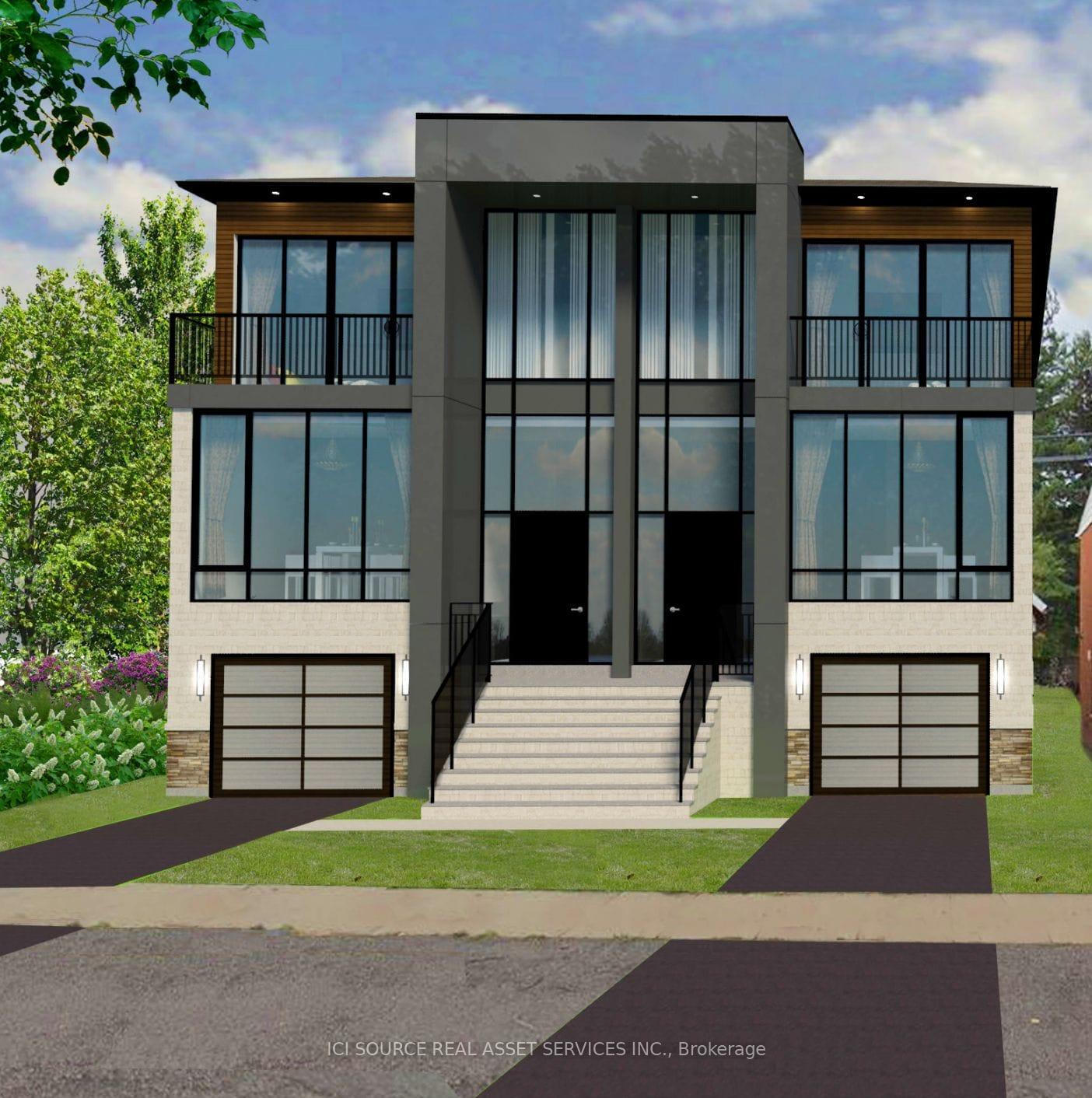
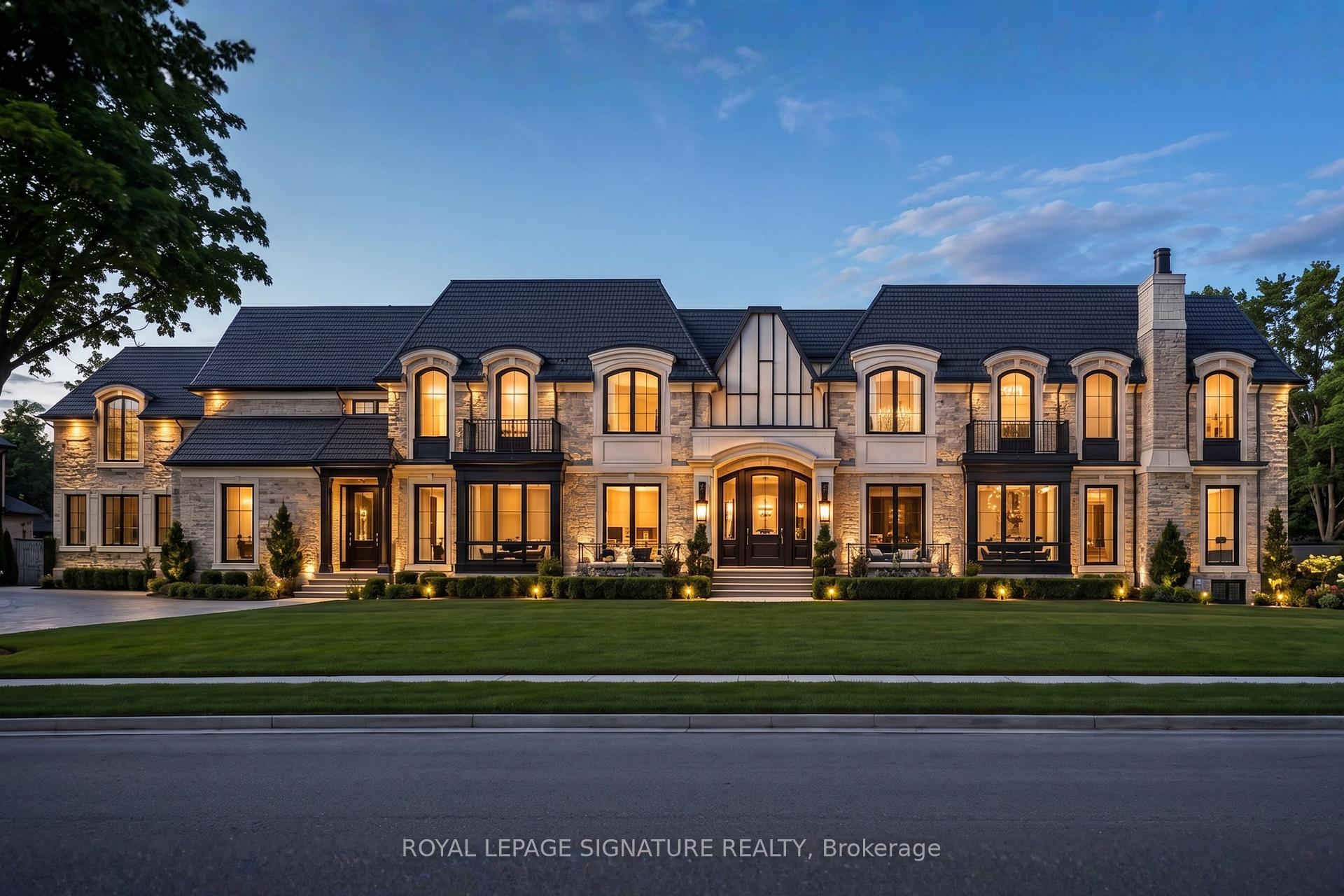
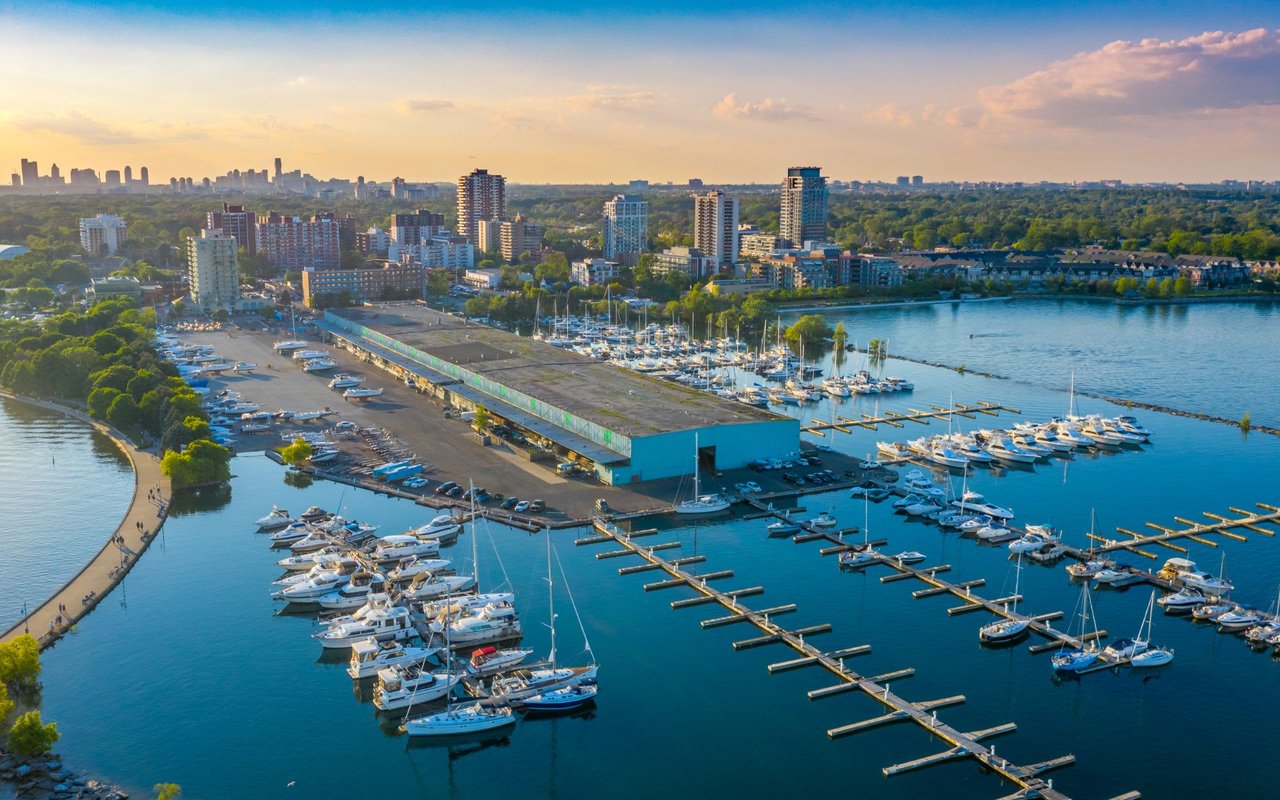
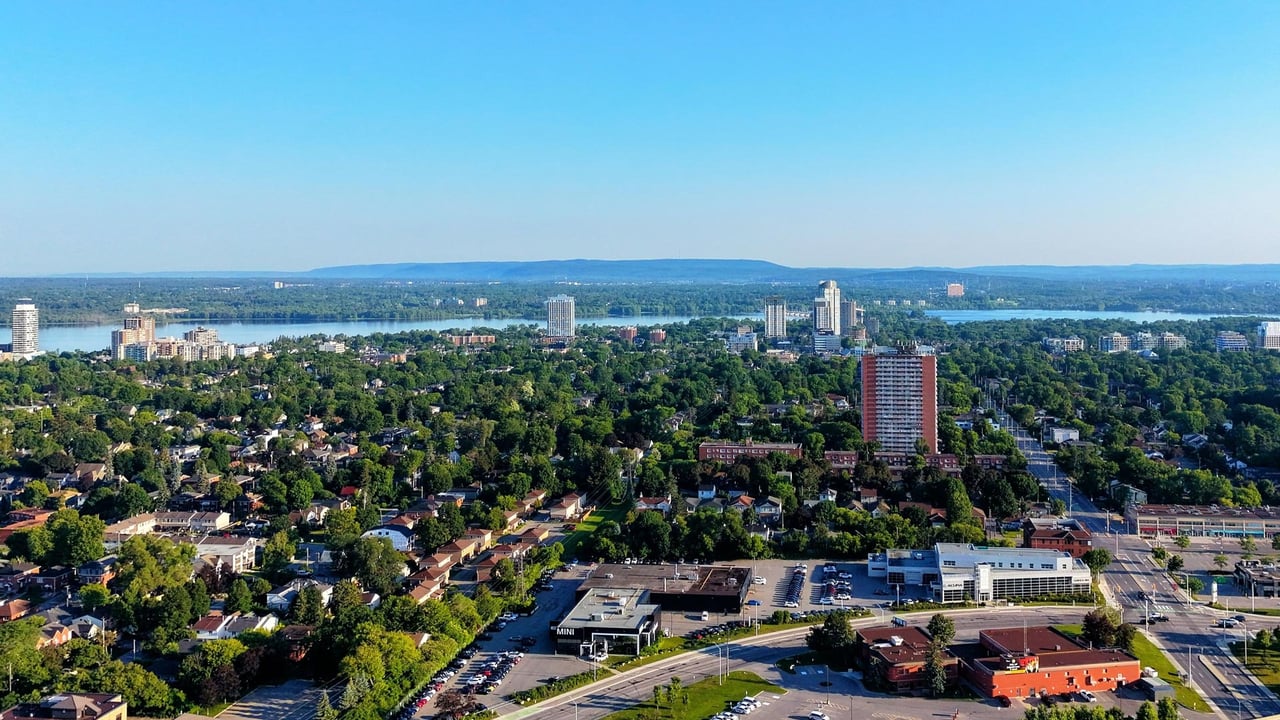
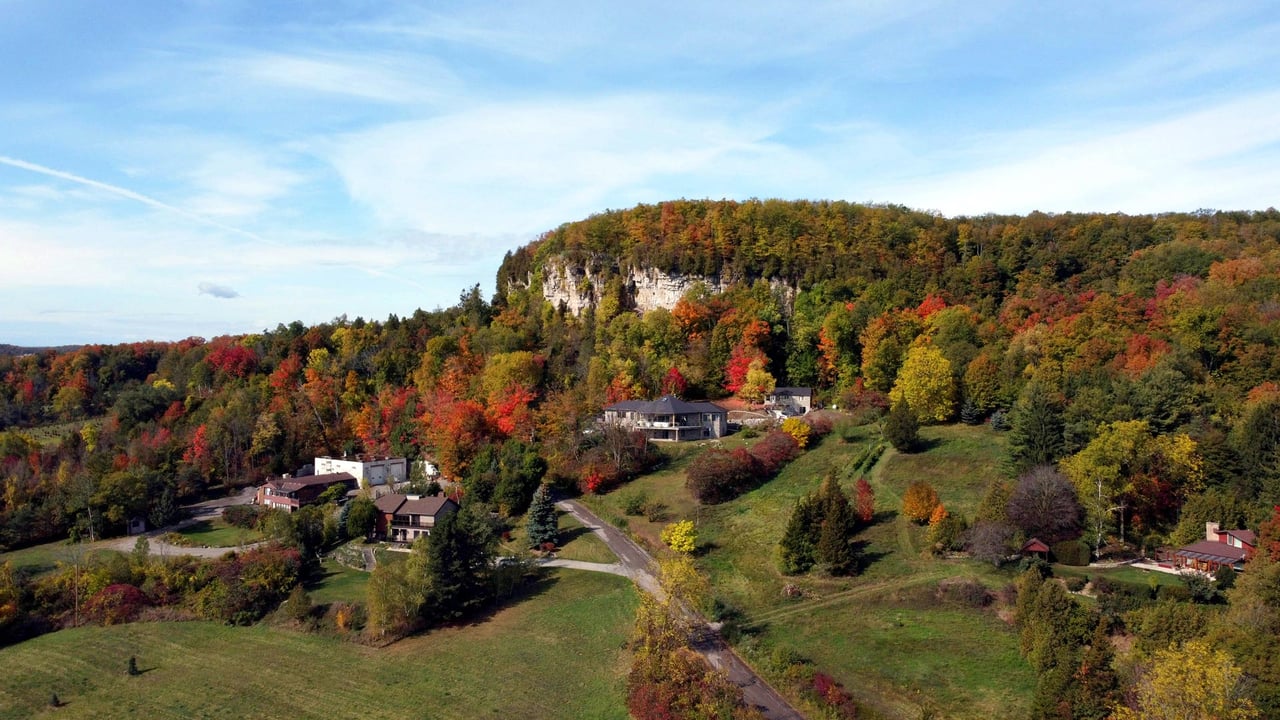
Mississauga townhomes deliver the space and privacy of a house at a more accessible price point, ideal for first-time buyers and growing families wanting room to grow.
Mississauga, ON Housing Market Trends
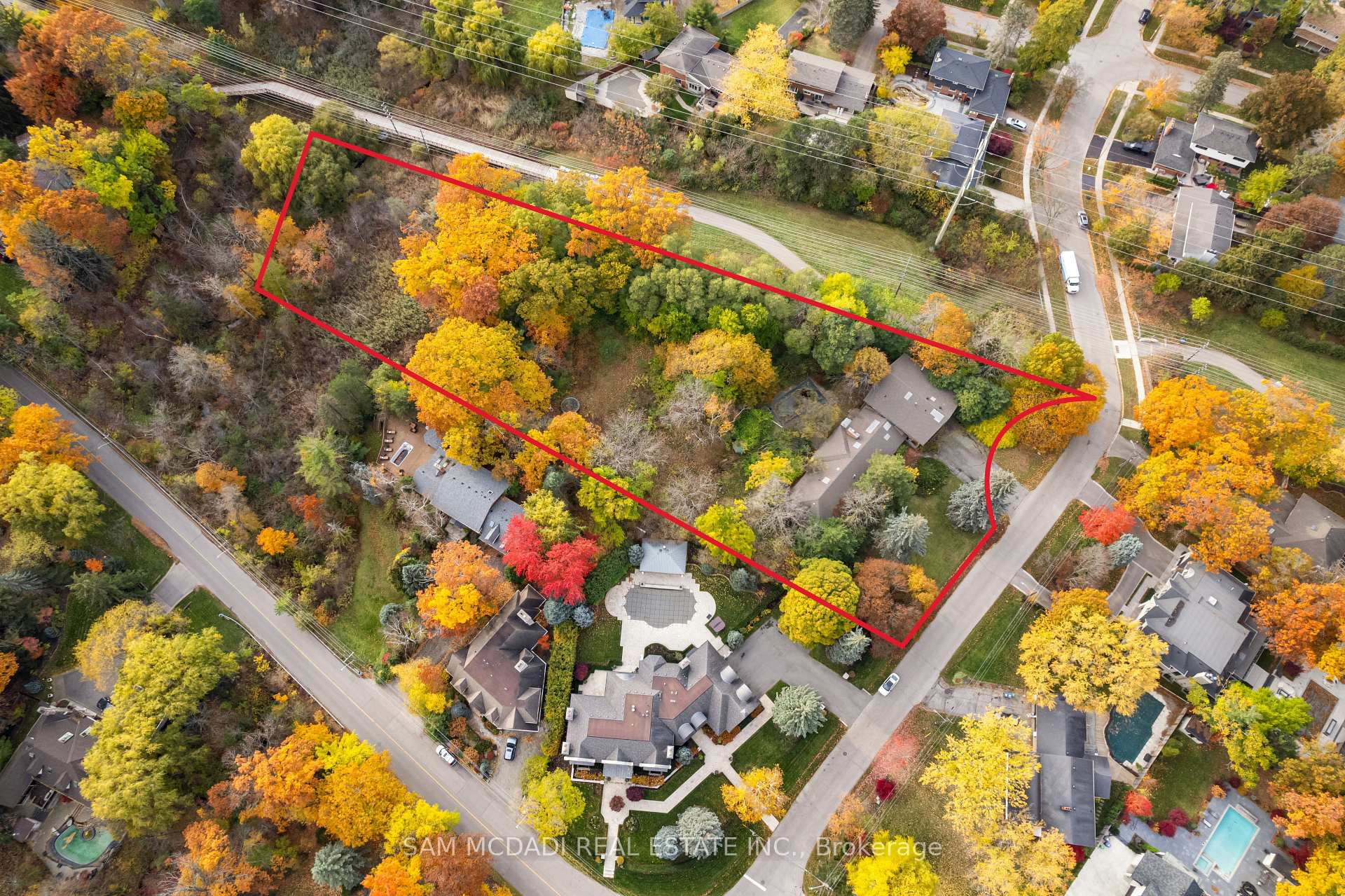
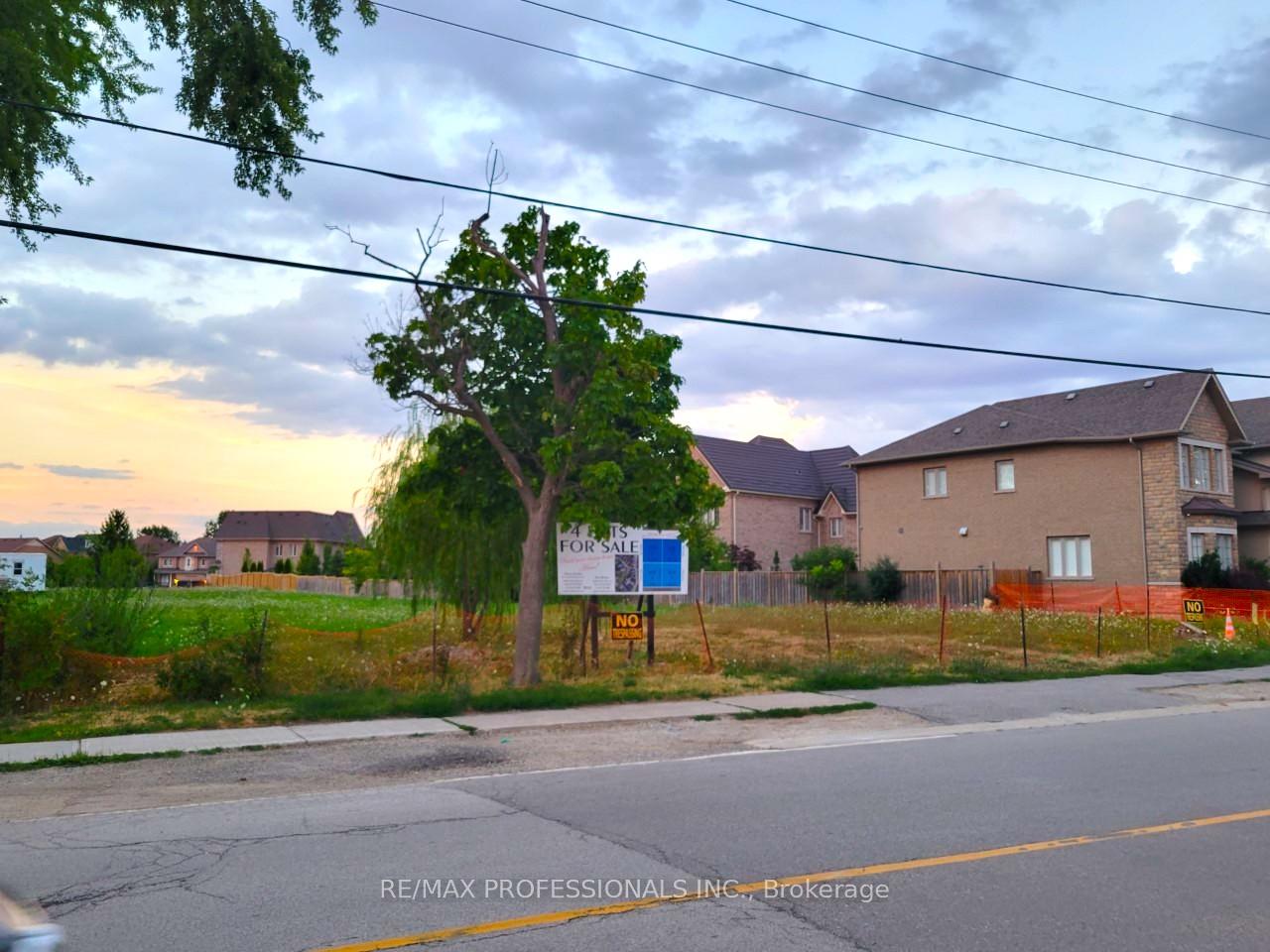
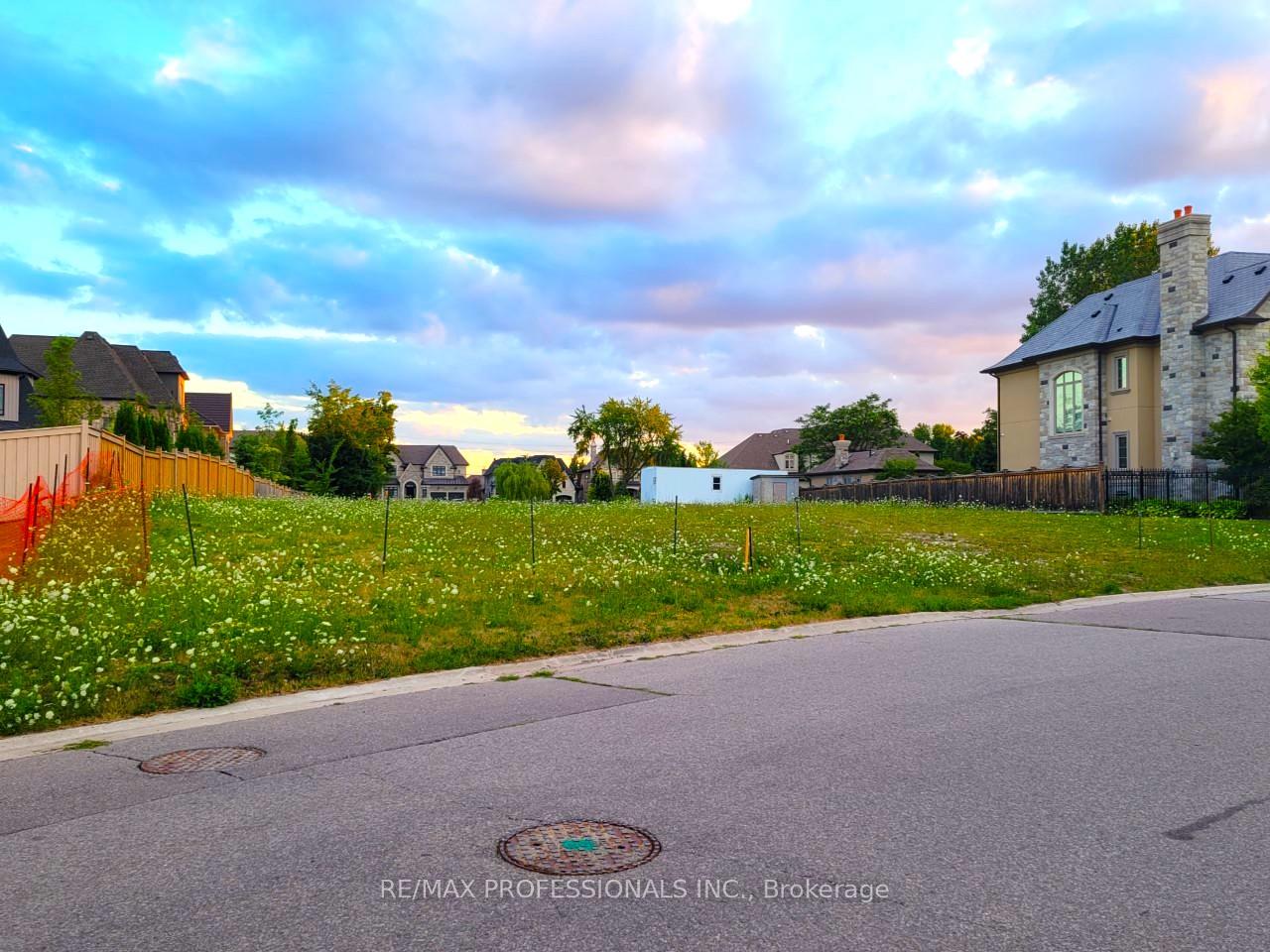
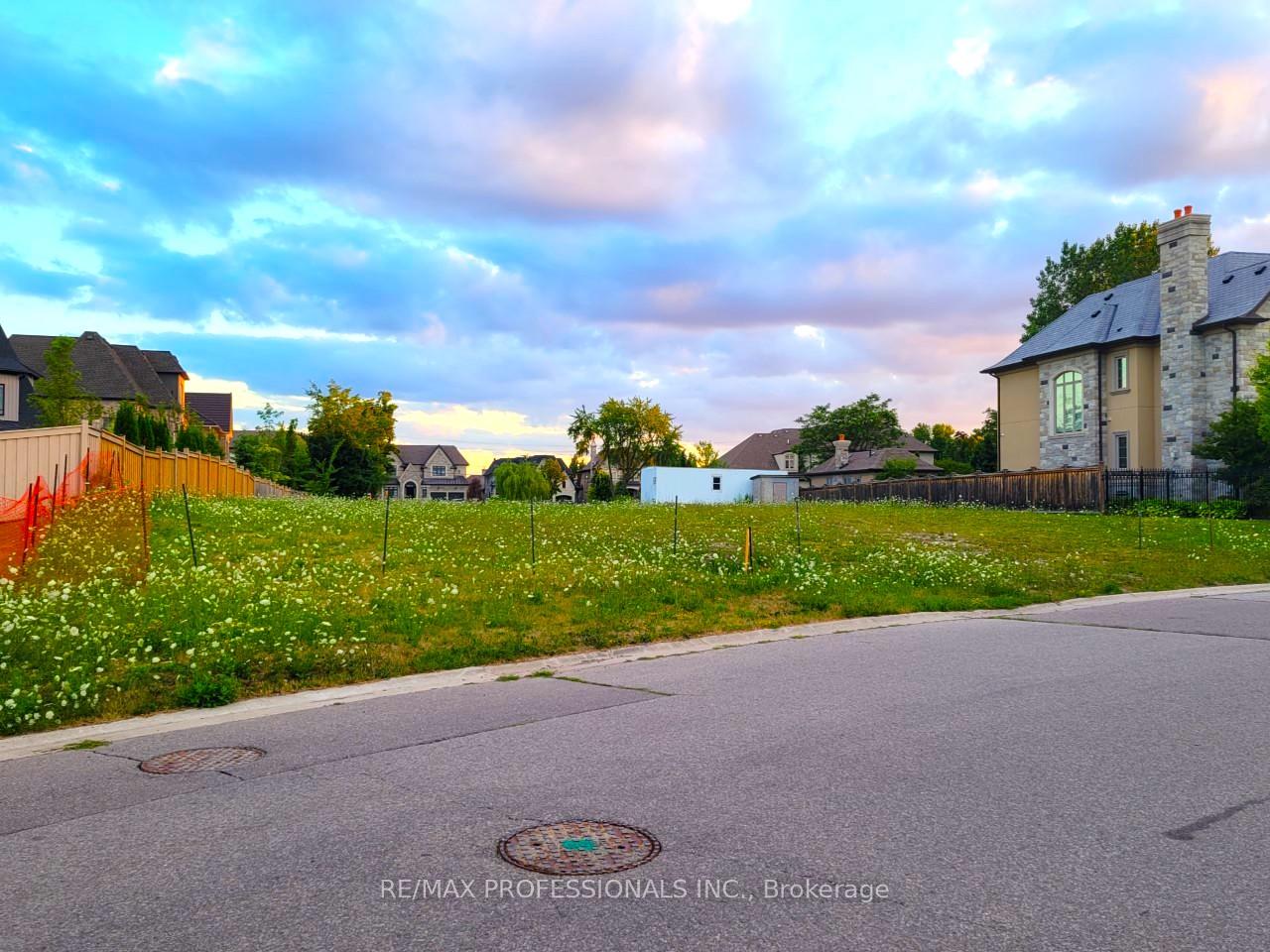
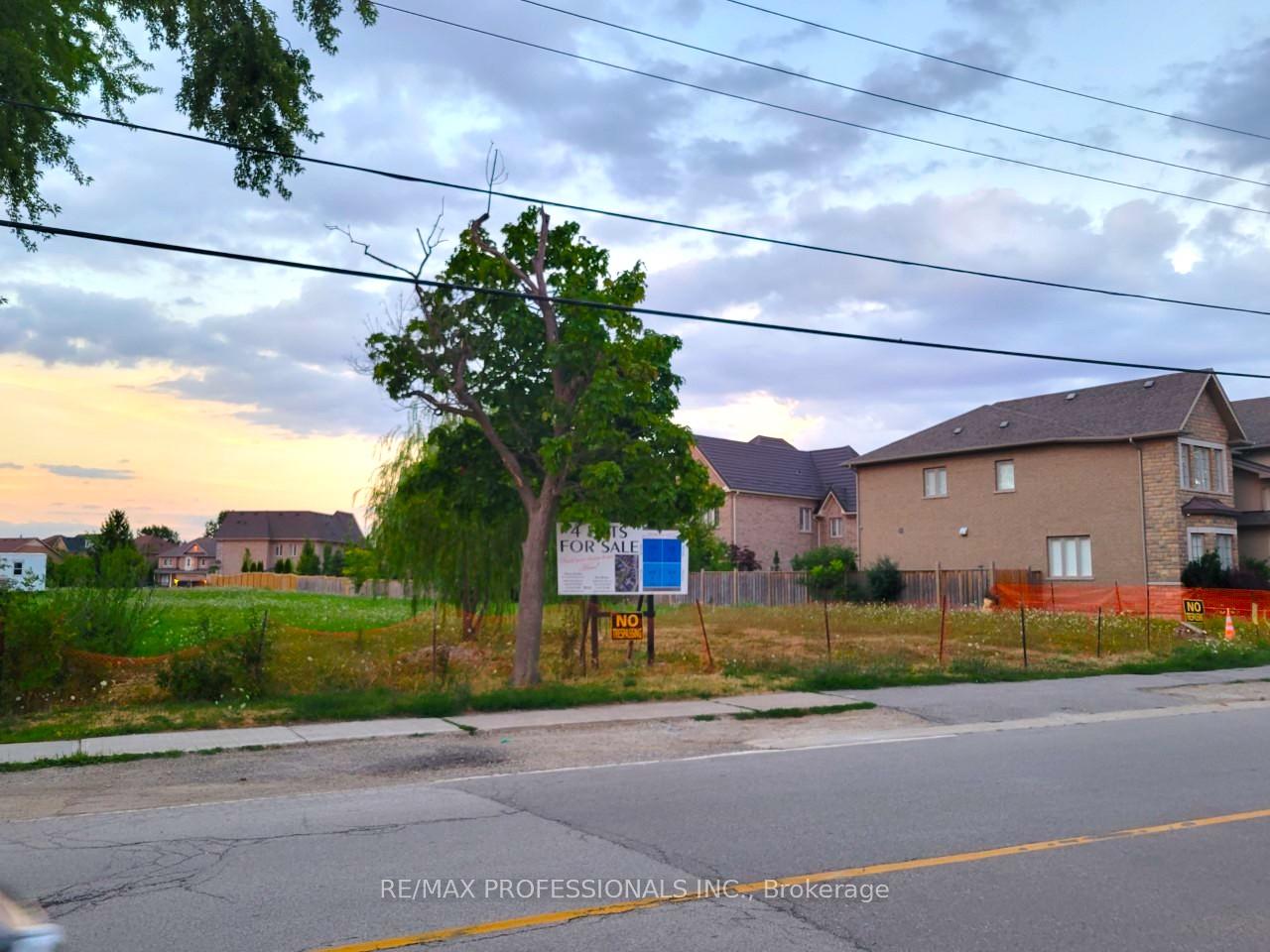
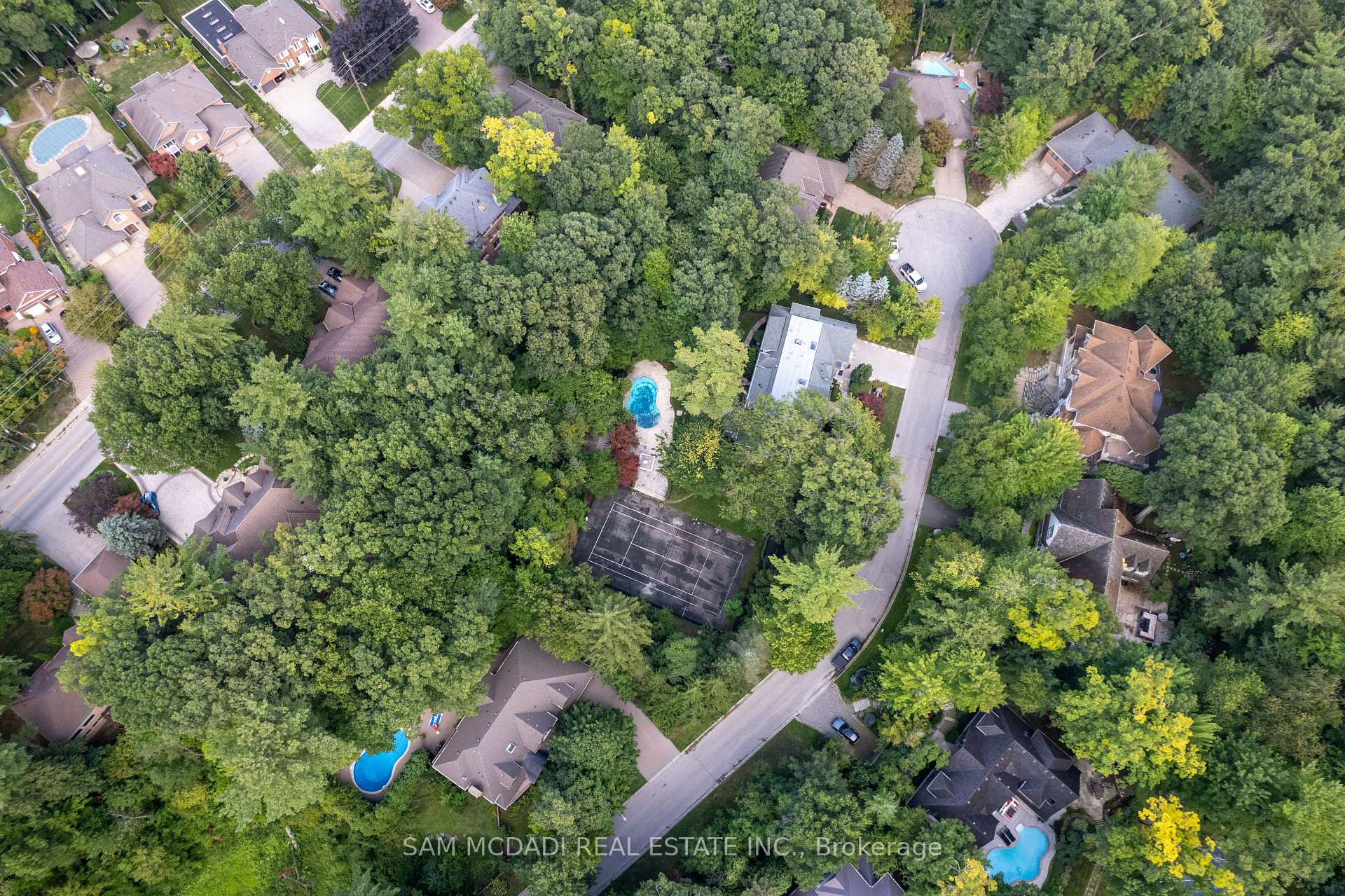
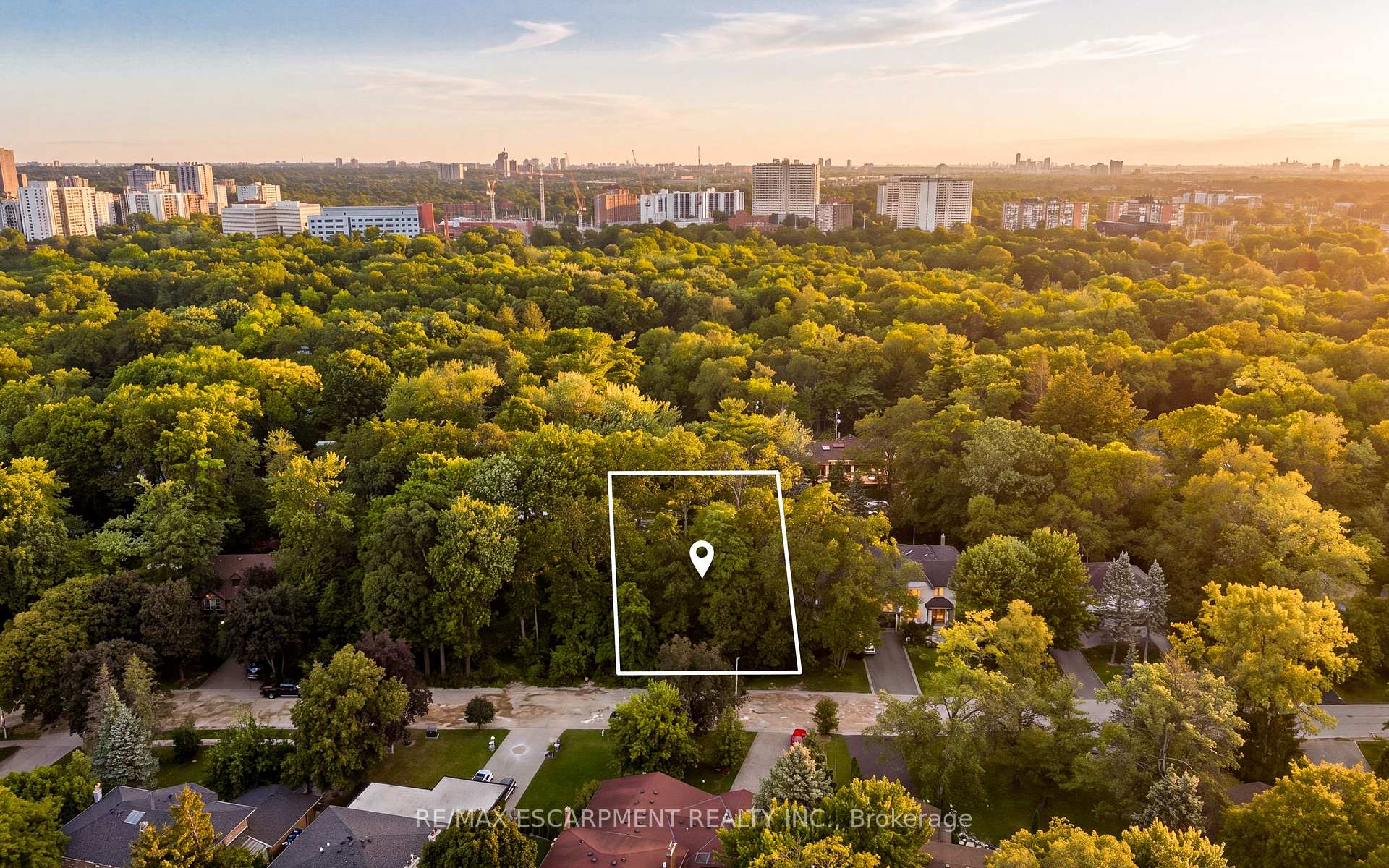
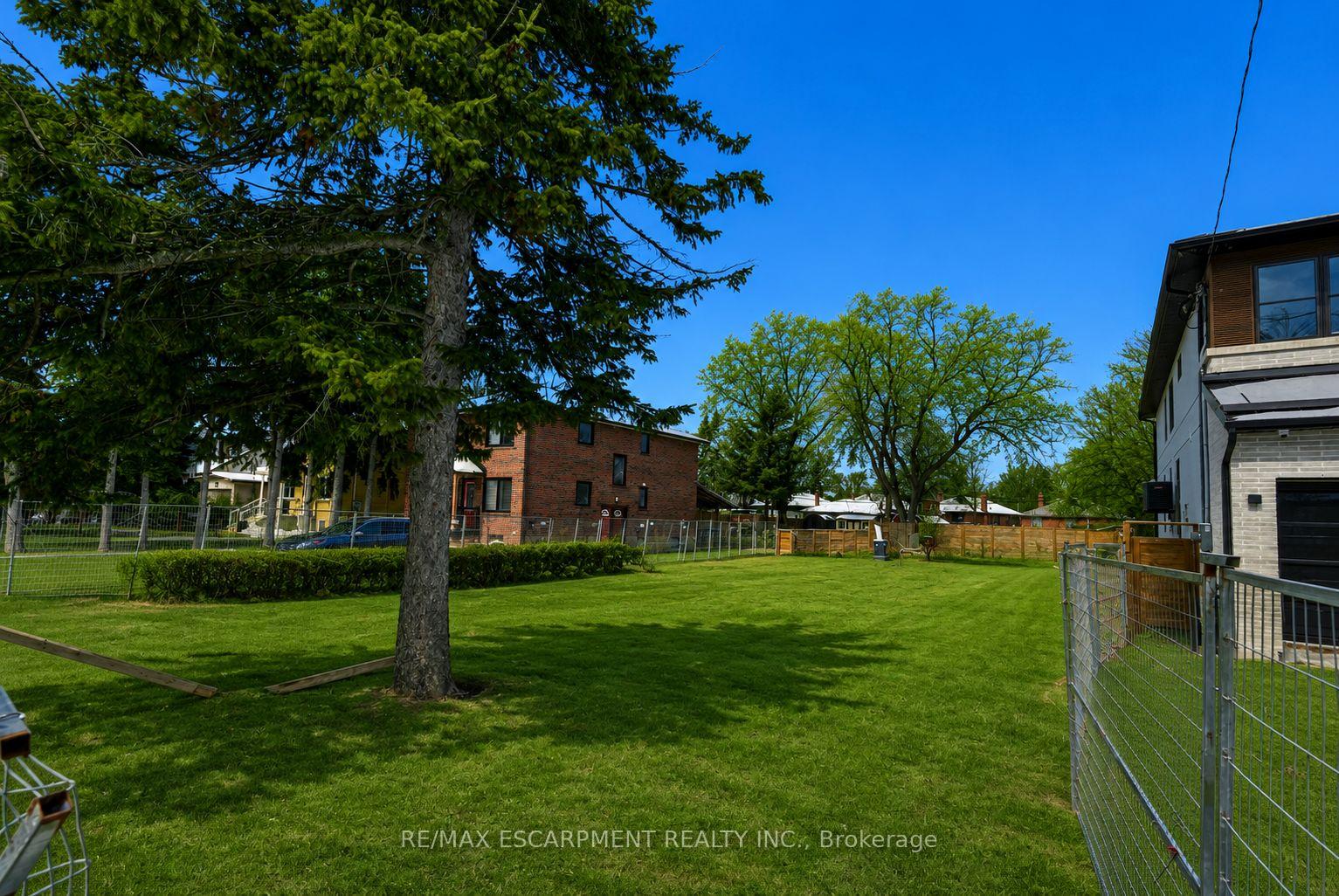
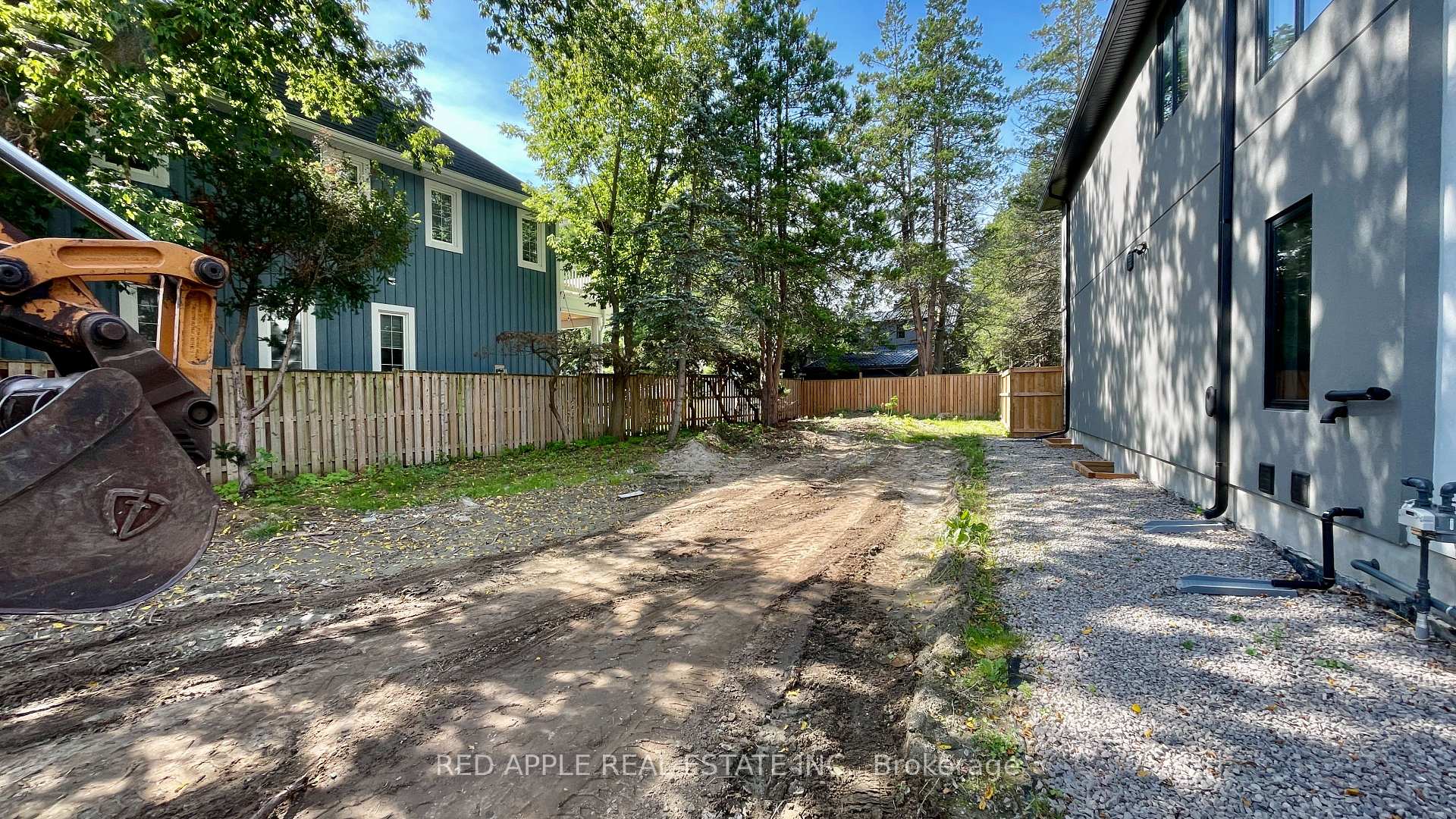
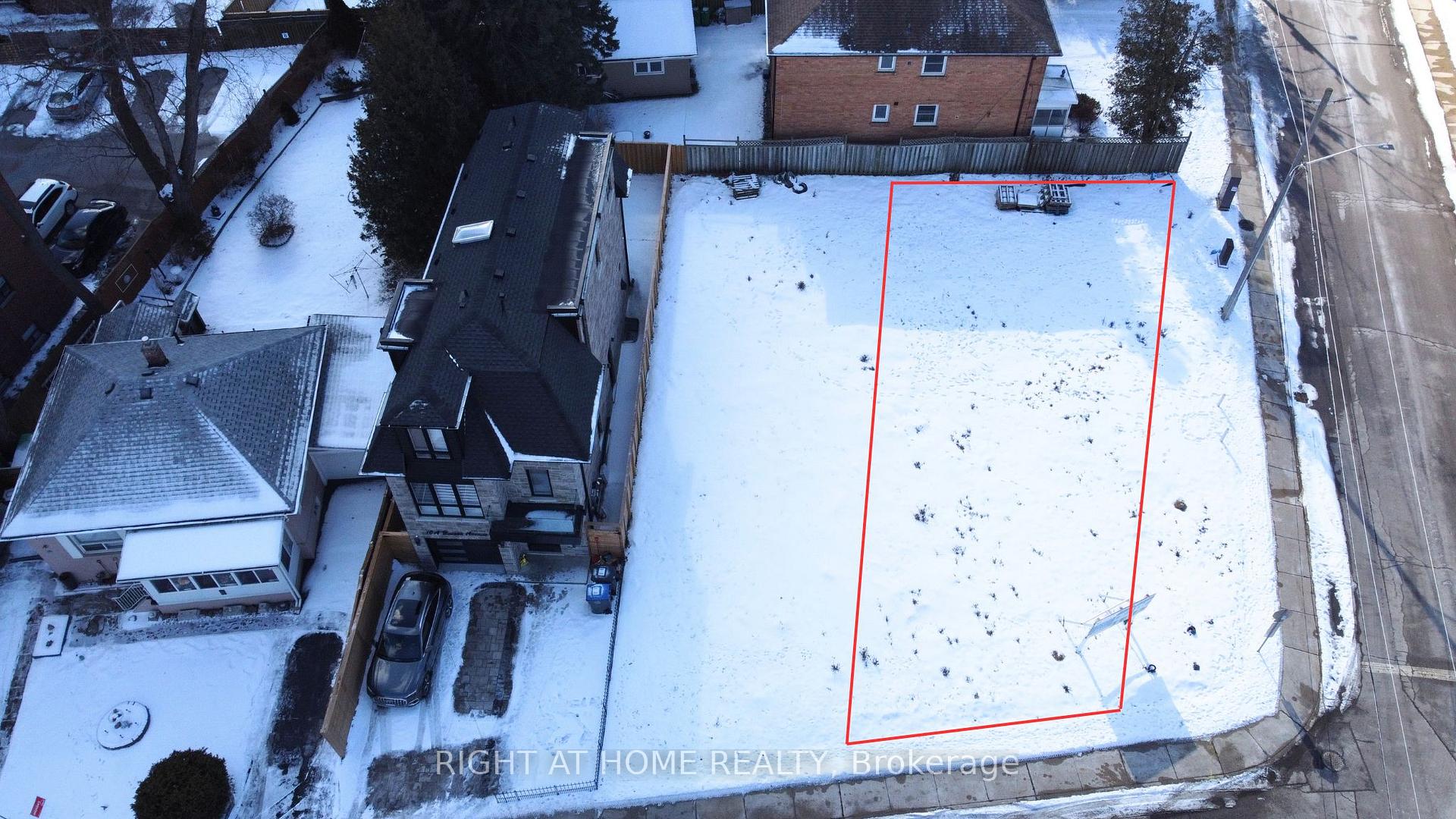
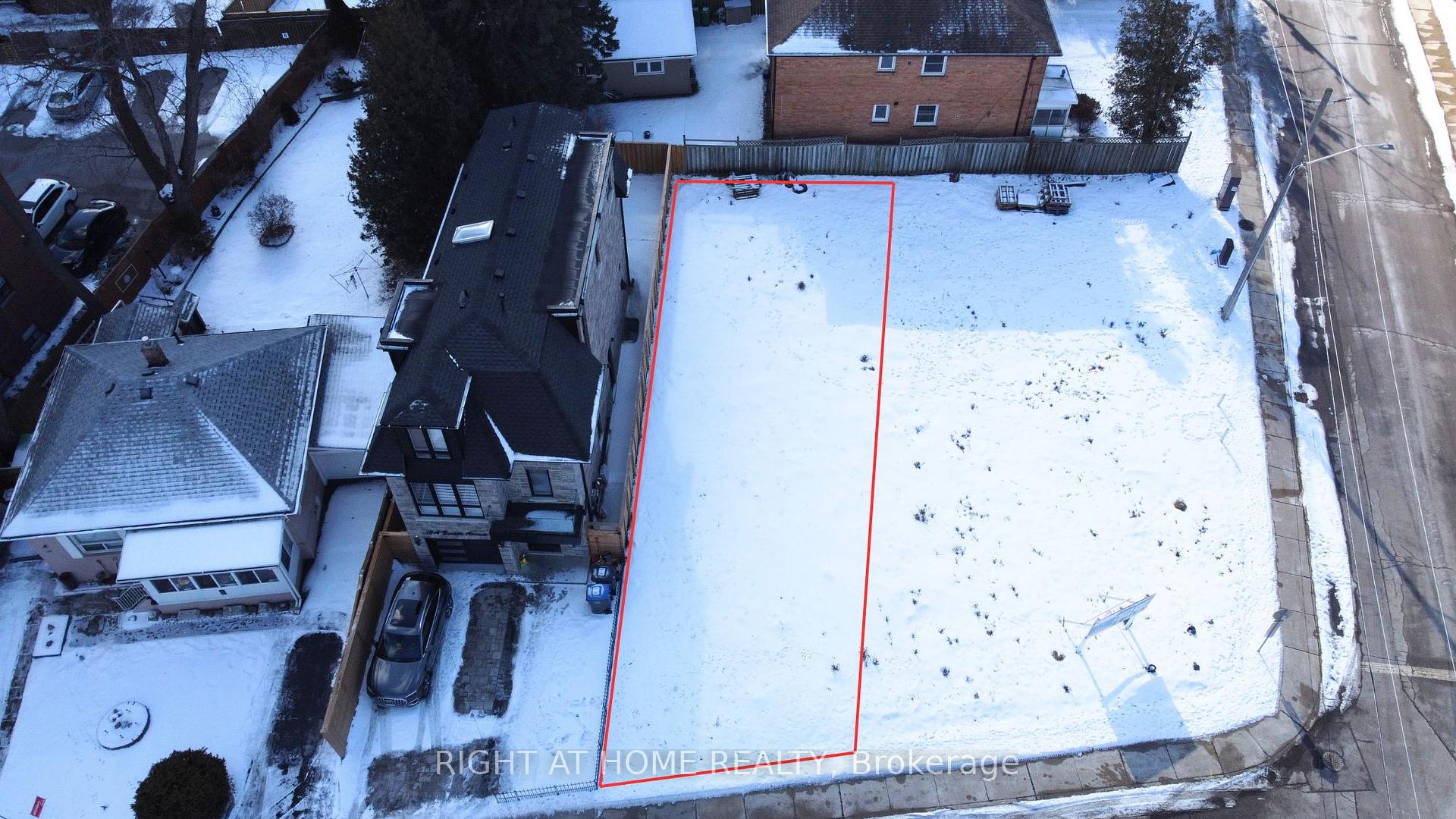
Unlike secondary Canadian markets or expanding suburban jurisdictions that can continually annex surrounding agricultural land, Mississauga is physically bounded by Lake Ontario, Toronto, Oakville, and Brampton. Raw, undeveloped parcel inventory is virtually non-existent. Buying land here is almost entirely an infill or brownfield redevelopment play. Because the city cannot expand outward, municipal planners and developers must look inward to accommodate growth. Acquiring a parcel of land in Mississauga places you in control of an extraordinarily scarce asset within Canada's seventh-largest city, ensuring that the underlying dirt holds intrinsic, inflation-resistant value that continues to appreciate as surrounding density intensifies.
Mississauga operates under its provincial-backed Official Plan 2051, a comprehensive framework explicitly designed to add gentle density and transit-oriented communities throughout the city. Land parcels situated near major infrastructure corridors—such as the Hazel McCallion Hurontario LRT line, Higher-Order Transit corridors, or Major Transit Station Areas (MTSAs)—benefit from aggressive municipal upzoning. A single-family or low-density parcel bought today often holds the legal or policy framework to be converted into high-density mixed-use residential or multi-family housing. While land in distant suburban markets may sit zoned for low-density use for decades, Mississauga’s active policy aggressively supports land assembly and conversion to meet housing mandates, allowing land buyers to unlock massive equity gains through entitlements.
From an industrial and employment land perspective, Mississauga is the undisputed logistics backbone of the Greater Toronto Area (GTA) and the entire country. It envelopes Toronto Pearson International Airport—Canada's largest cargo hub—and is crisscrossed by a network of 400-series highways (401, 403, 407, 410, and 427) alongside two major rail lines. Industrial and commercial employment lands in Mississauga (such as those in the Airport Corporate Centre, Meadowvale, or Dixie corridors) command some of the highest lease rates and lowest vacancy figures in North America. Owning commercial or industrial land in Mississauga allows you to capture unrelenting demand from last-mile logistics providers, advanced manufacturing, and corporate headquarters looking for instant access to Canada's largest consumer and labor market.
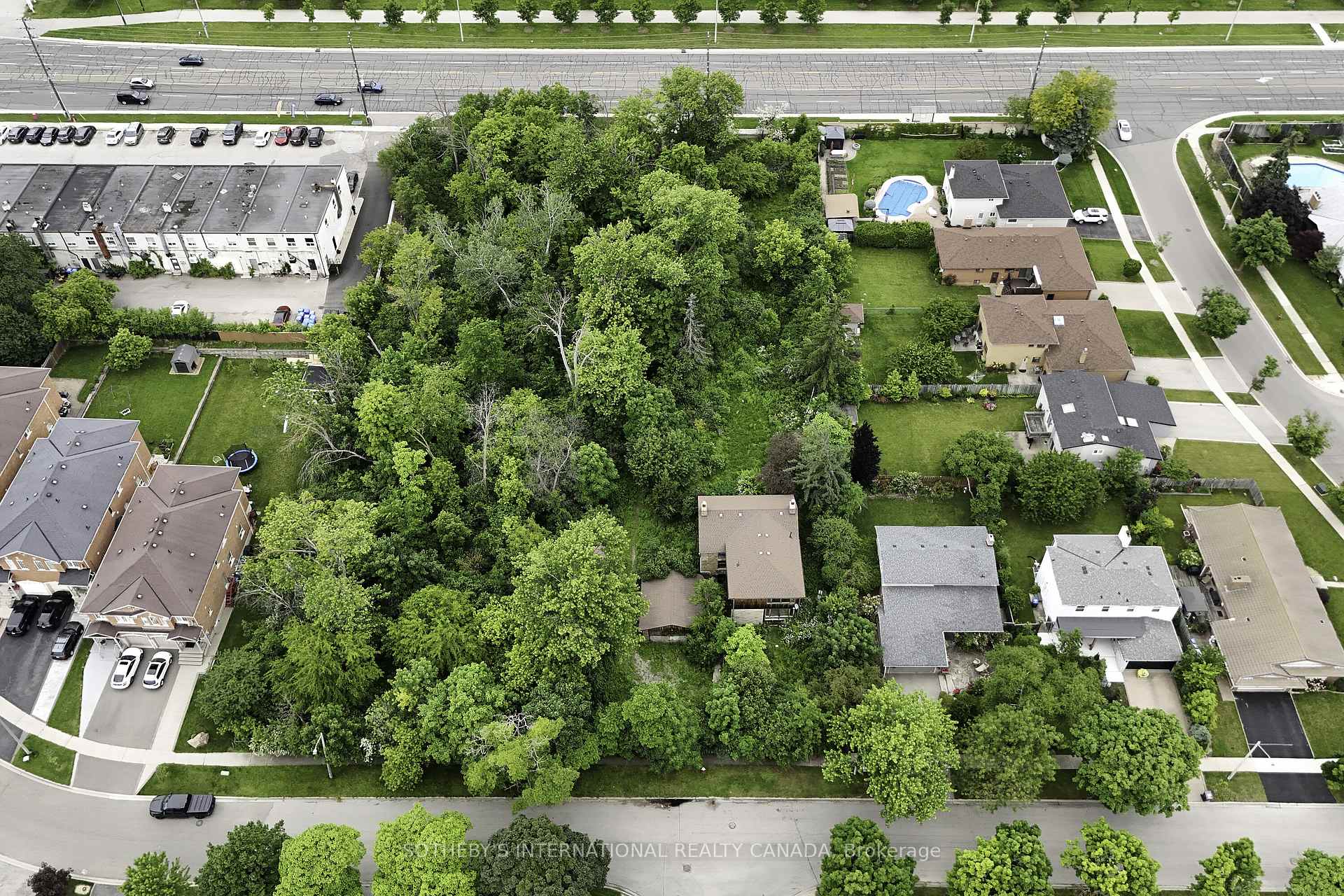
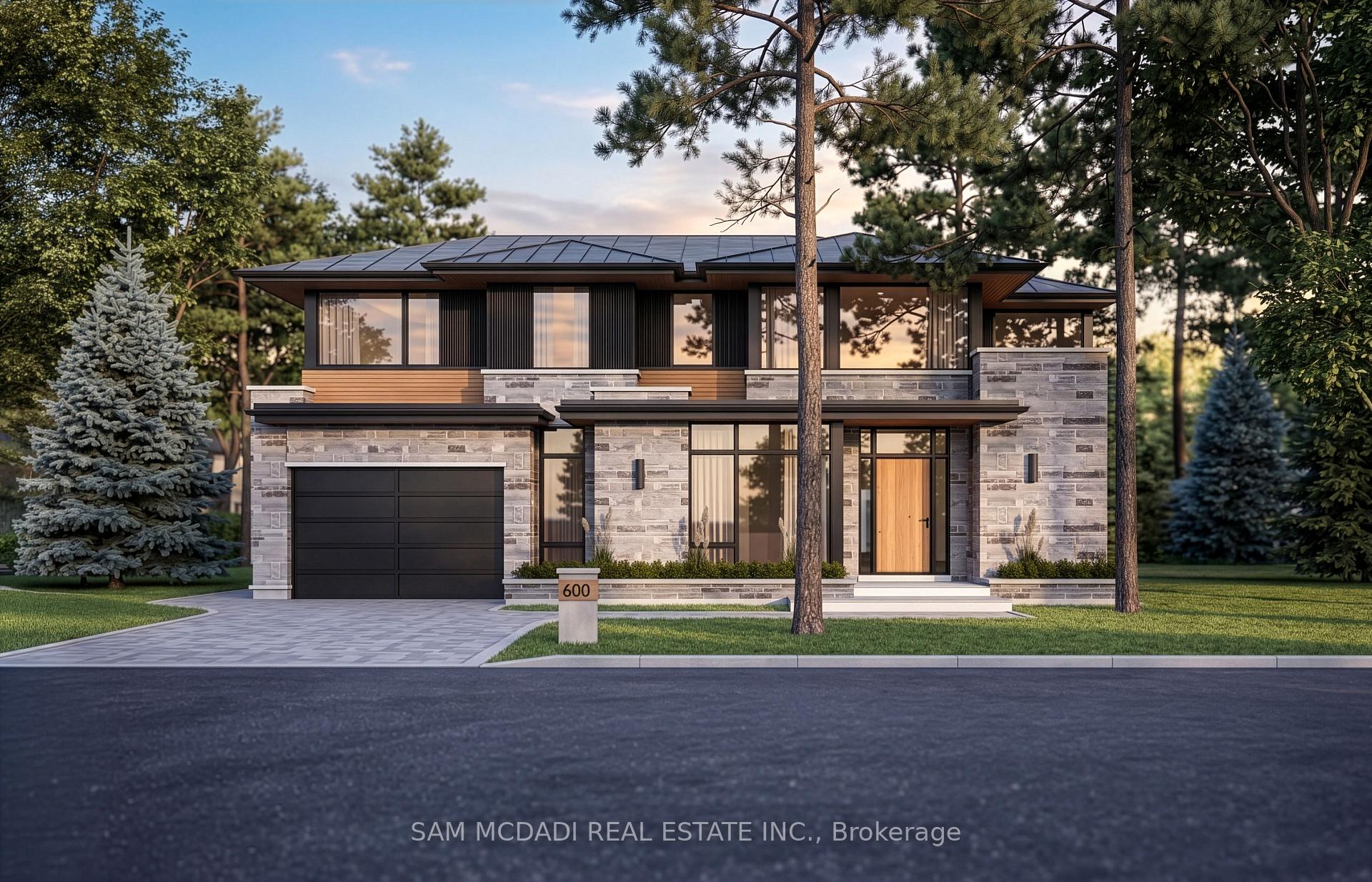
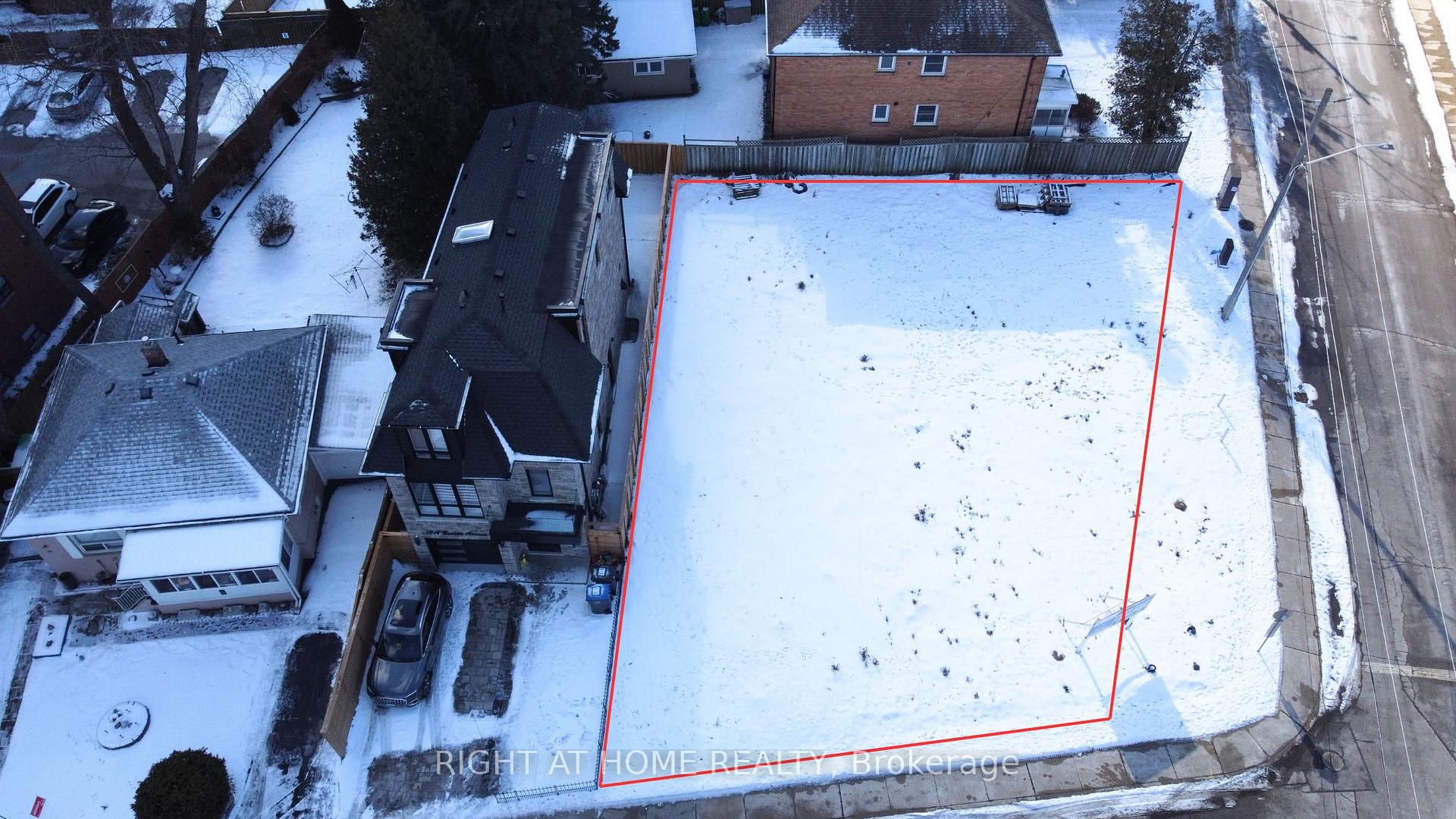
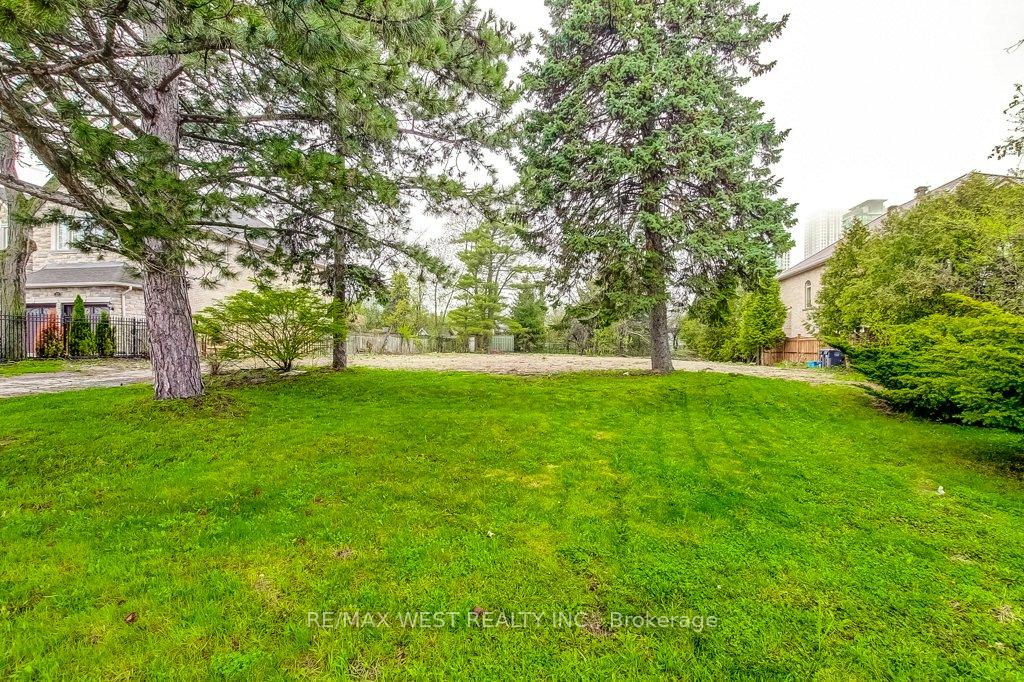
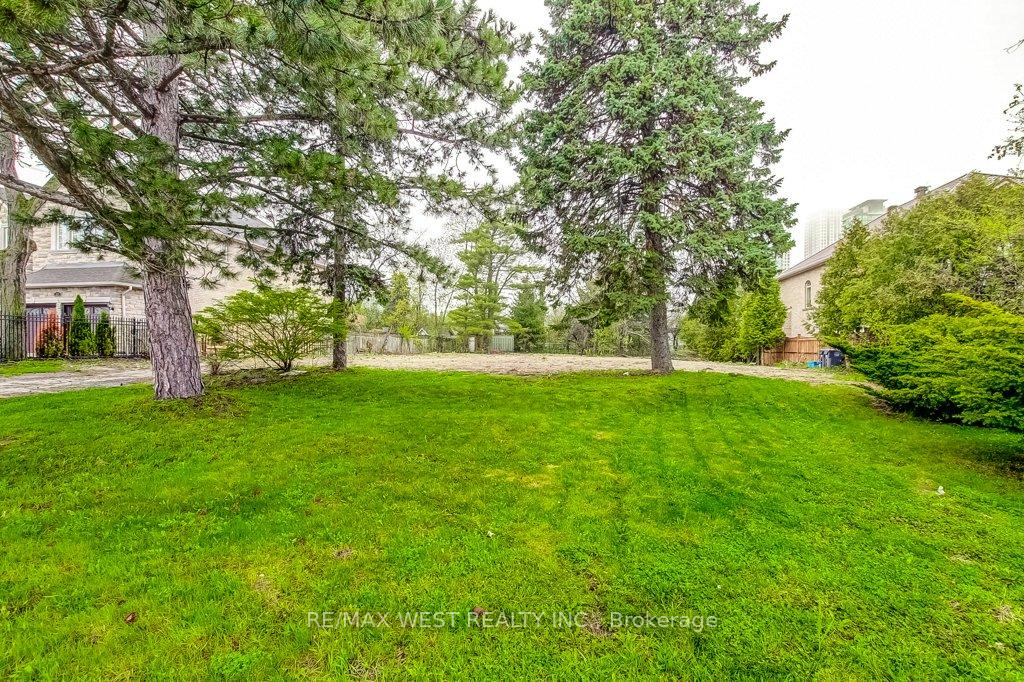
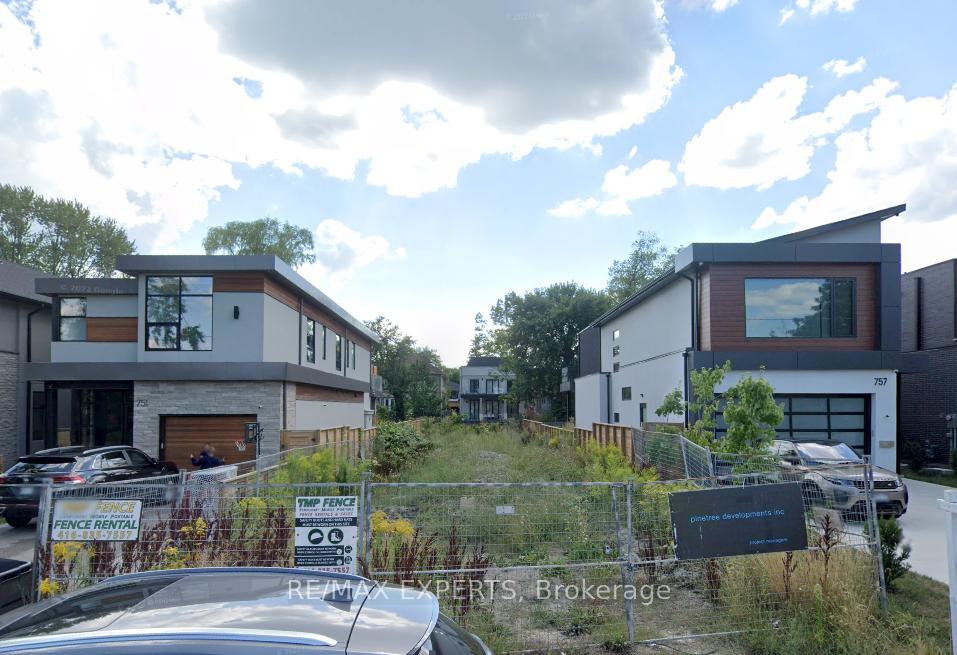
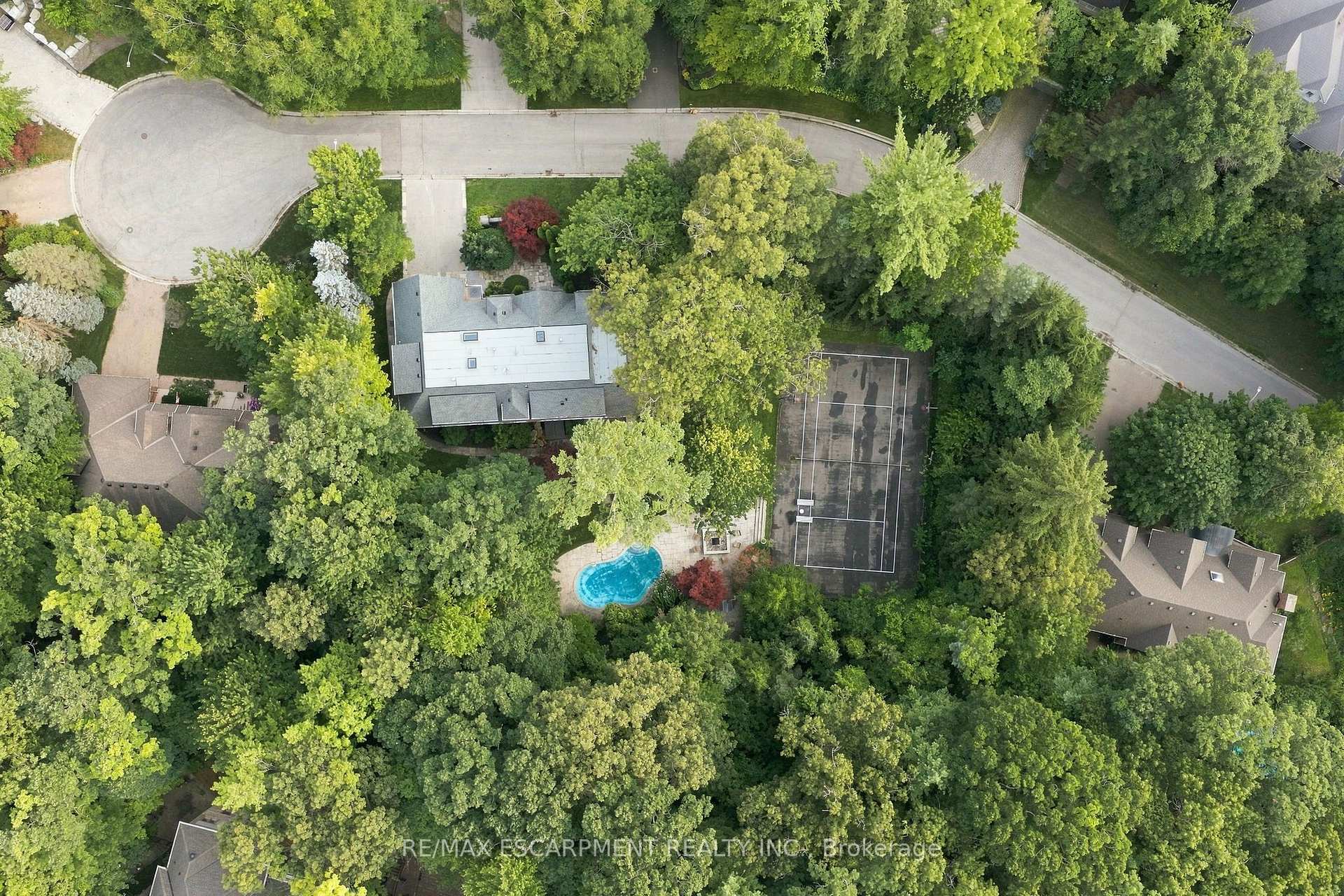
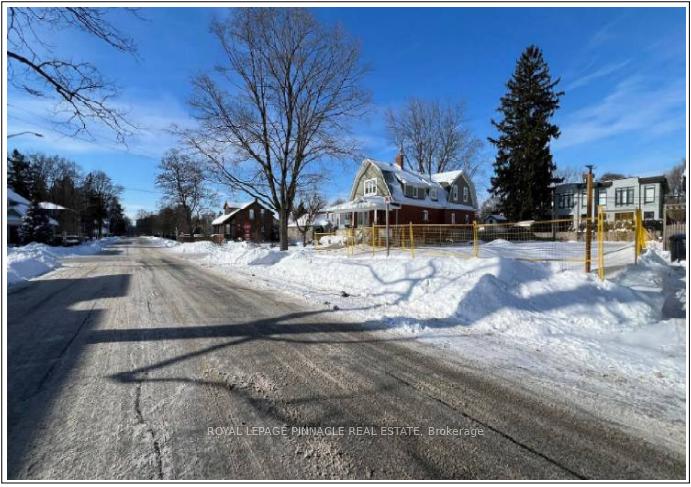
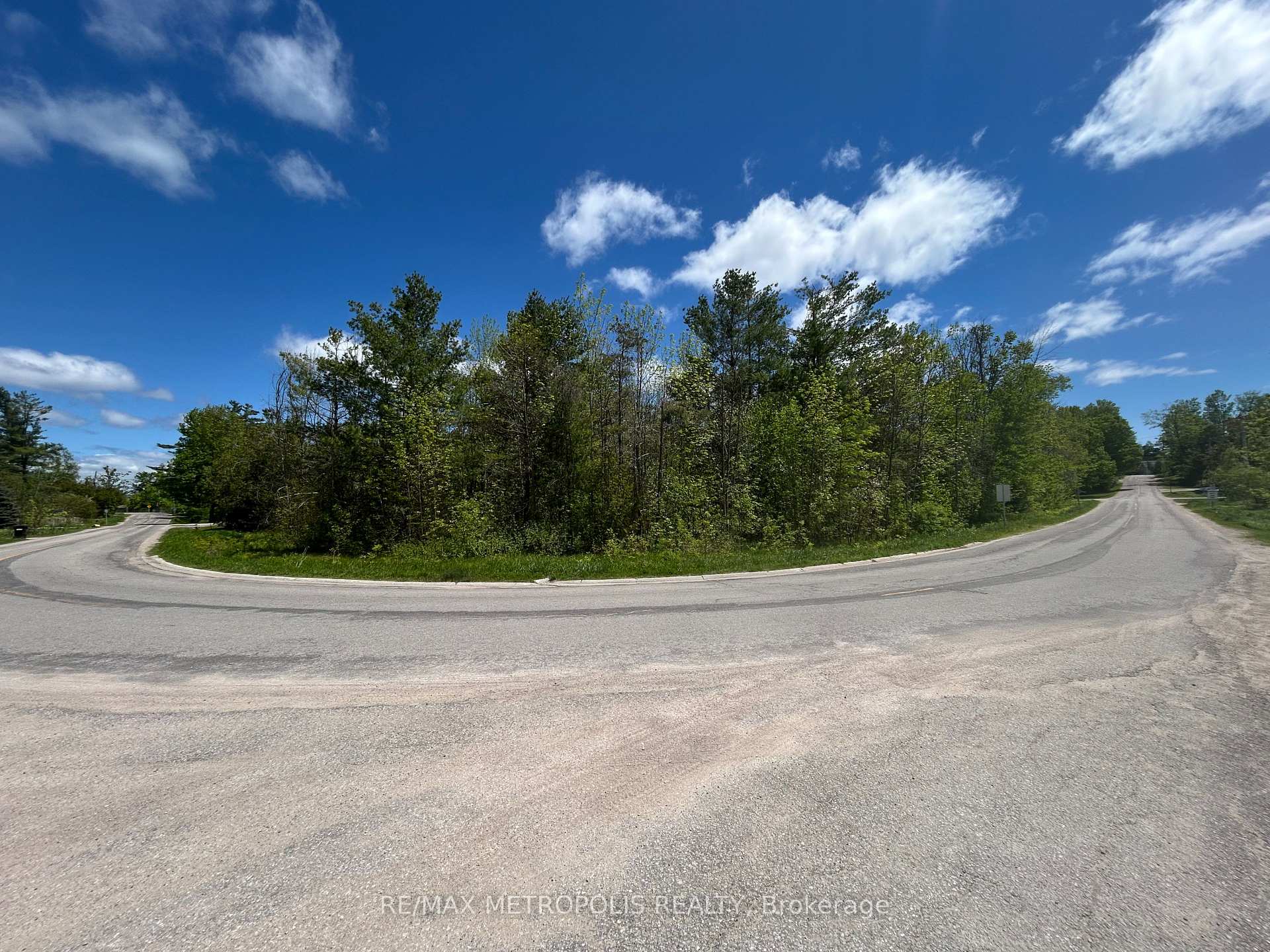
Acquiring land in Mississauga, Ontario, represents a hyper-specific investment strategy focused on scarcity, strategic logistics, and policy-backed urban growth. Unlike undeveloped regions elsewhere in the province or country, Mississauga is a fully mature, "land-locked" municipality—meaning raw land or re-developable infill lots carry uniquely premium fundamentals.
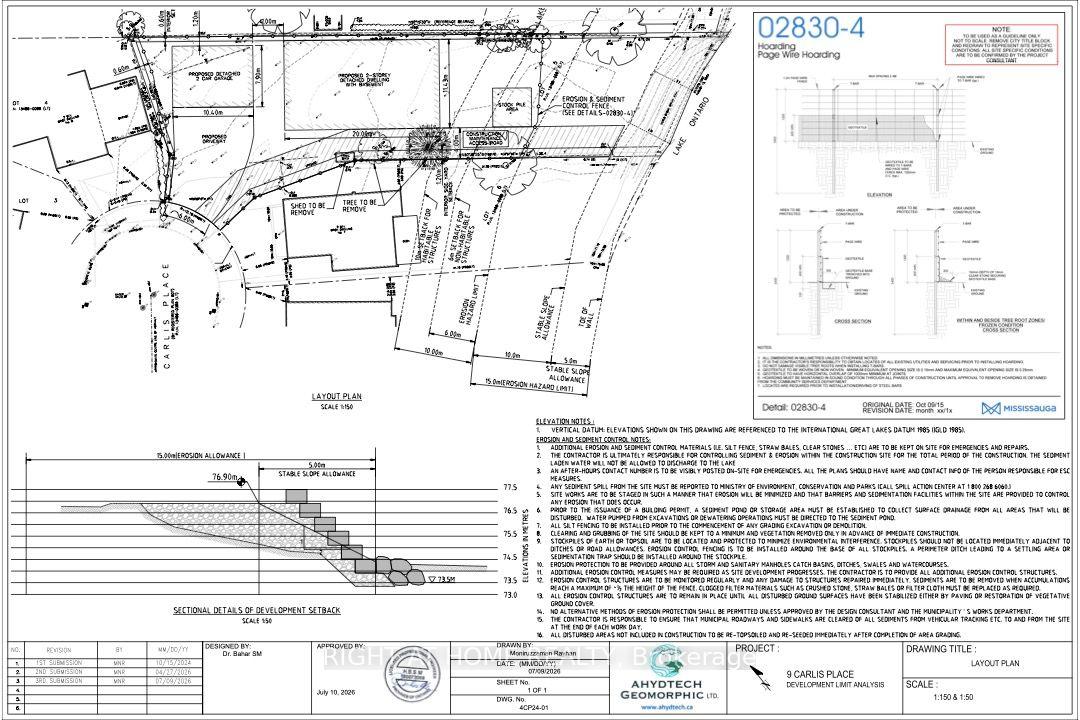
You must cross-reference the land’s designation in the Mississauga Official Plan 2051 with the City of Mississauga Zoning By-law 0225-2007. While a lot might look like an ideal residential plot, its zoning code governs permitted uses, building heights, floor space index (FSI), setback requirements, and lot coverage limits. Furthermore, because Mississauga is pushing for gentle density along major corridors, a lot's future potential may be much higher than its current physical state. You should submit a formal Zoning Certificate request to the city or work with an urban planner to review whether your intended project aligns with existing rights or requires a Committee of Adjustment minor variance or a Rezoning (Zoning By-law Amendment) application.
Development Charges (DCs) are one-time fees levied by the City of Mississauga, the Region of Peel, and local school boards to fund the off-site infrastructure (roads, water/sewer, transit, emergency services) required to support new growth. They are collected when your building permit is issued and are completely separate from basic building permit fees. In the Greater Toronto Area, municipal and regional DCs for a single detached home routinely range between $70,000 and $110,000+, while multi-residential units incur charges scaled by unit count. You must account for this non-negotiable cash payment up front in your development budget rather than treating it as a minor closing expense.
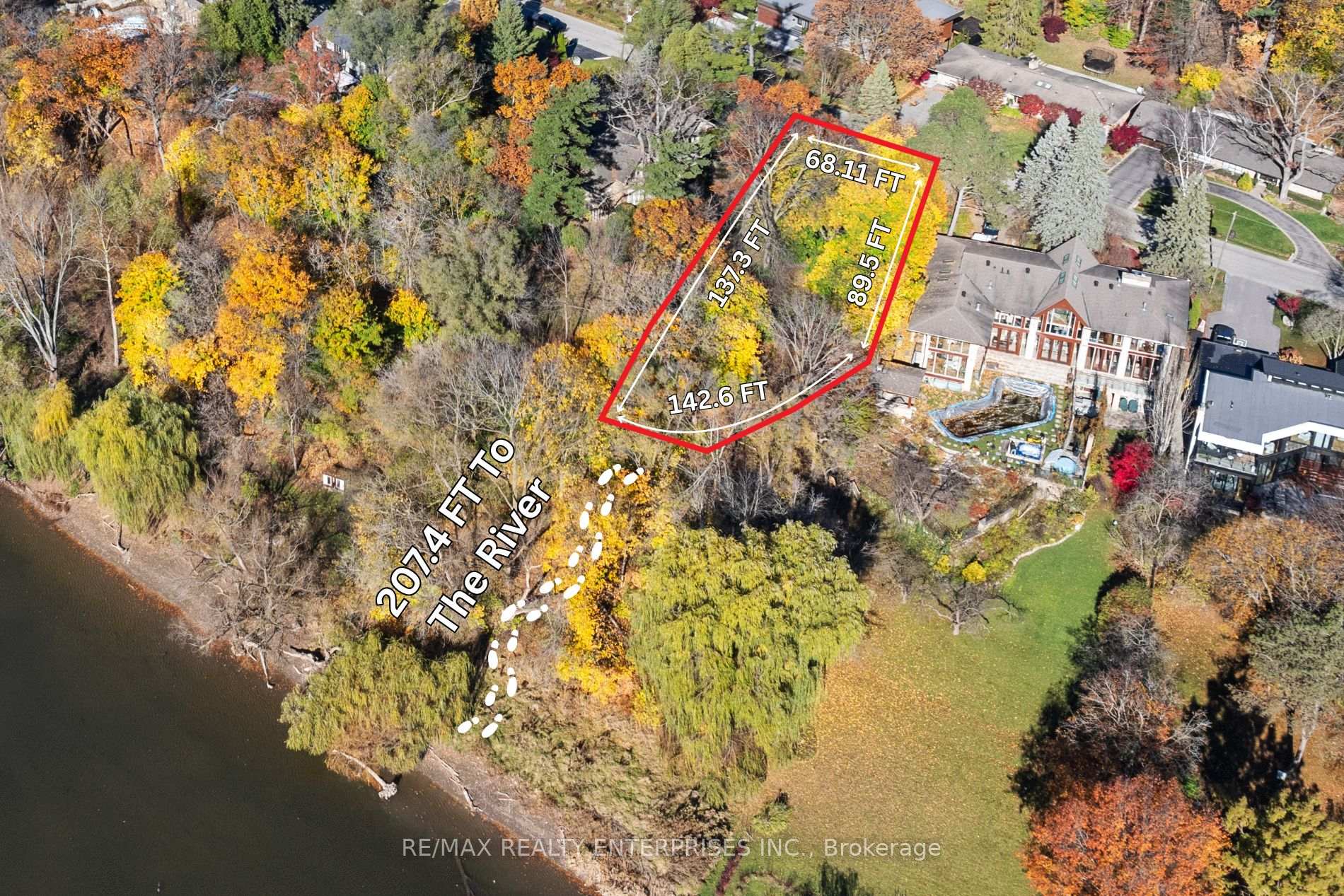
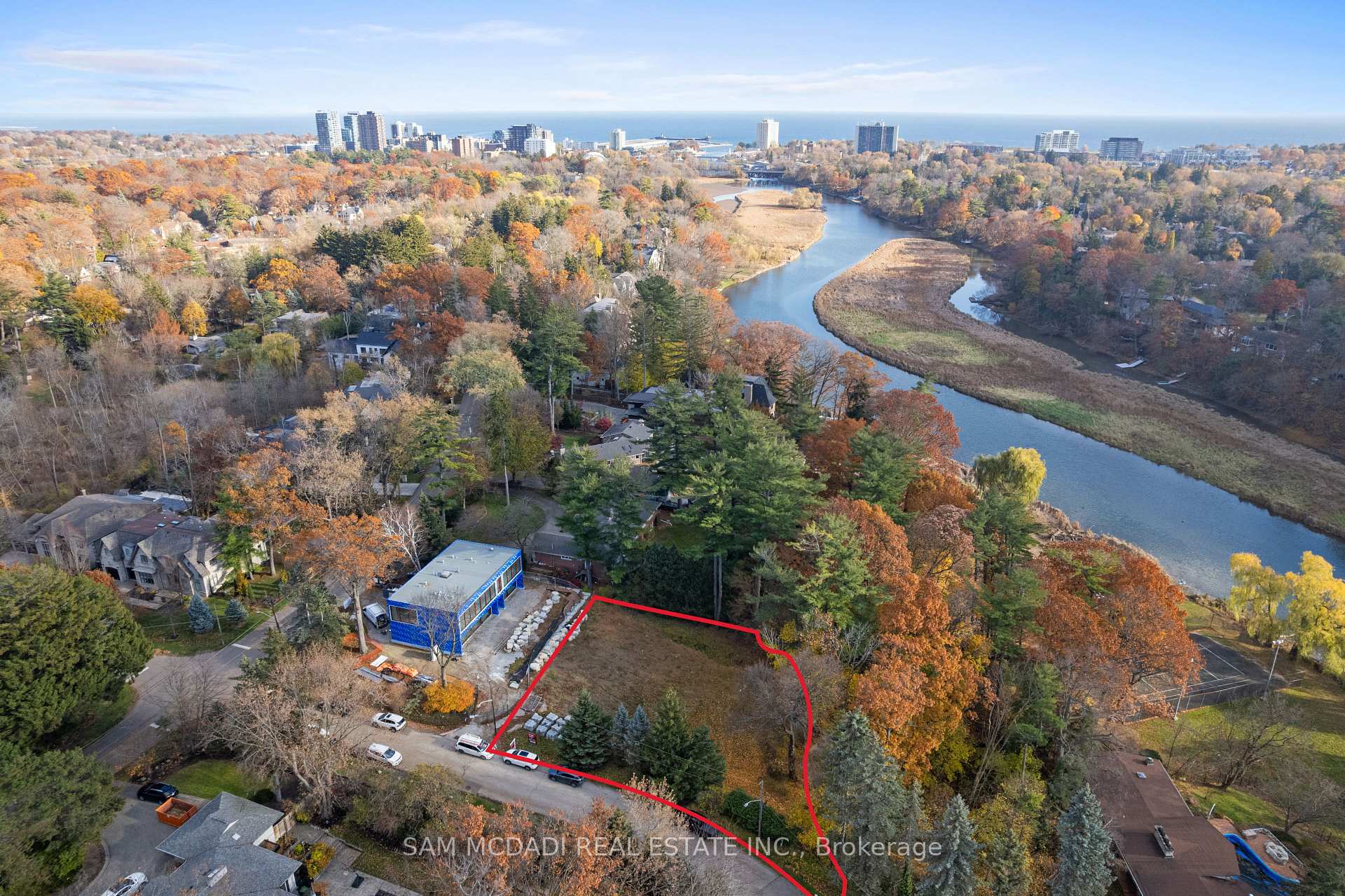
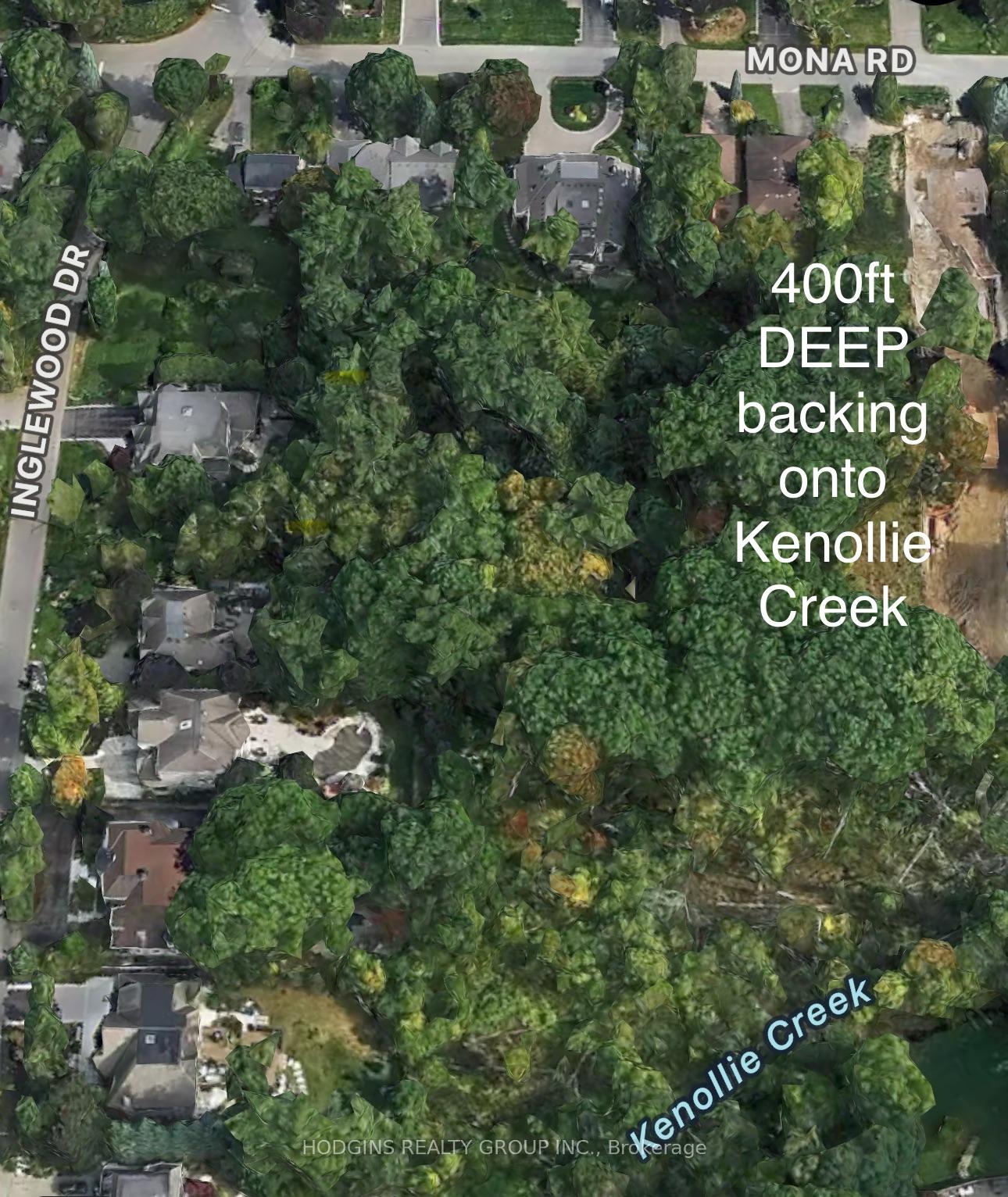
Because Mississauga is bisected by major water systems—including the Credit River, Etobicoke Creek, and Cooksville Creek—a surprisingly large amount of land falls within regulated environmental areas controlled by Credit Valley Conservation (CVC). If a parcel contains slopes, floodplains, wetlands, or falls within a river corridor, CVC approval is required alongside city permits before any site grading or building can occur. Properties subject to CVC oversight often carry strict construction buffers, natural heritage restrictions, or complete buildability bans on certain portions of the site, making an environmental desktop audit or CVC pre-consultation vital during your due diligence period.
Financing land in Mississauga is significantly stricter than securing a traditional residential mortgage. Financial institutions generally classify land purchases as higher-risk loans. For un-serviced or raw land without active building plans, lenders typically require down payments between 35% and 50%, with higher interest rates and shorter amortization schedules. If you are buying an infill lot with an existing structure meant for immediate demolition and re-development, you will often need a specialized Construction Loan or commercial land acquisition loan that releases funds in draws as project milestones and city inspections are passed.
In a mature city like Mississauga, land typically has utilities nearby, but connecting them to your specific property line can be a costly, multi-agency effort. The Region of Peel manages municipal water and sanitary sewer lines, while third-party utilities manage natural gas and electricity networks. Connecting a new or severed lot involves paying utility connection fees, trenching across public road allowances, installing water meters, and potentially upgrading aging localized mains. If you are developing a infill lot in an older neighborhood like Lakeview or Clarkson, you must also verify whether the existing street infrastructure can handle the capacity requirements of your proposed build.
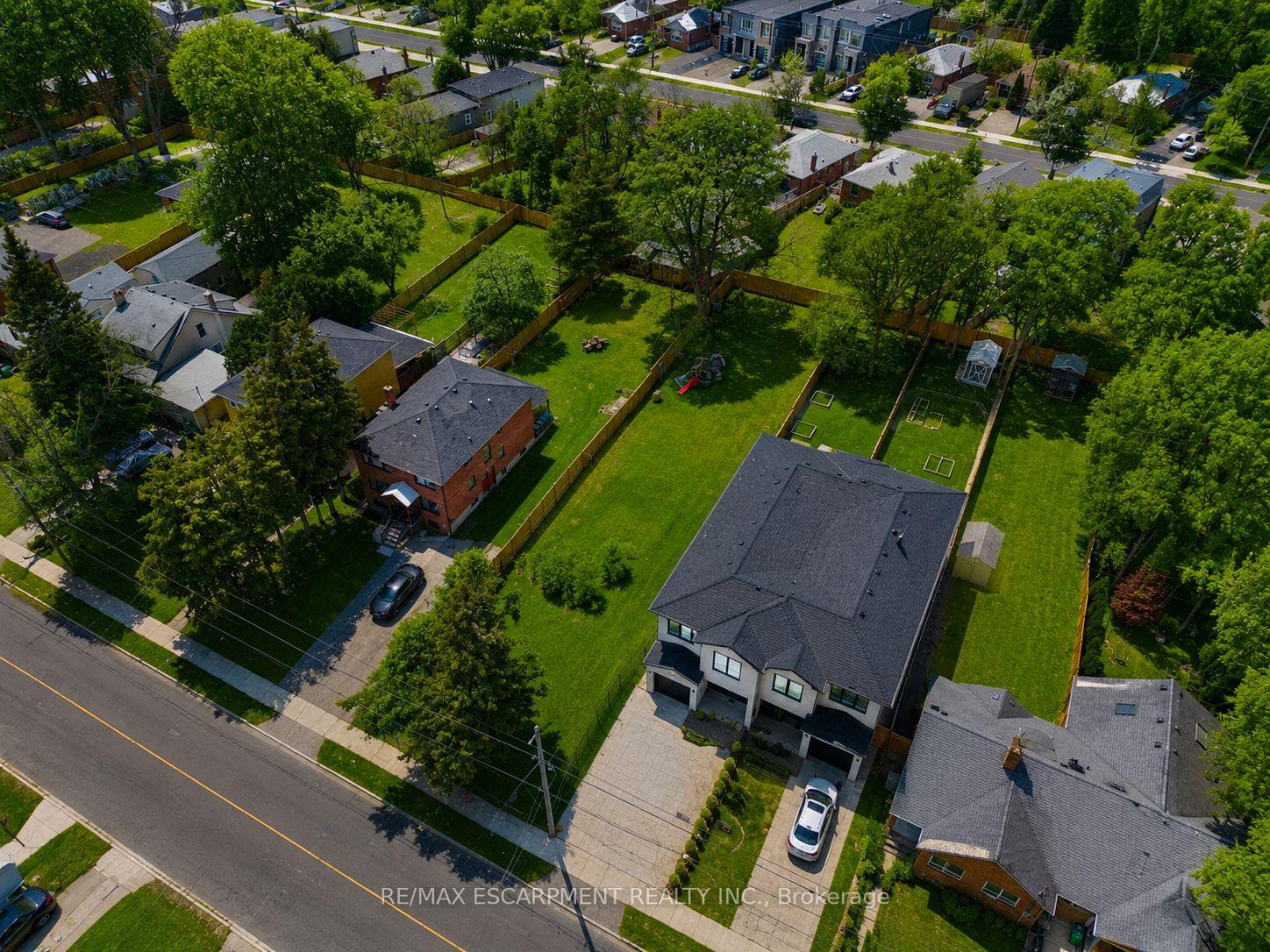
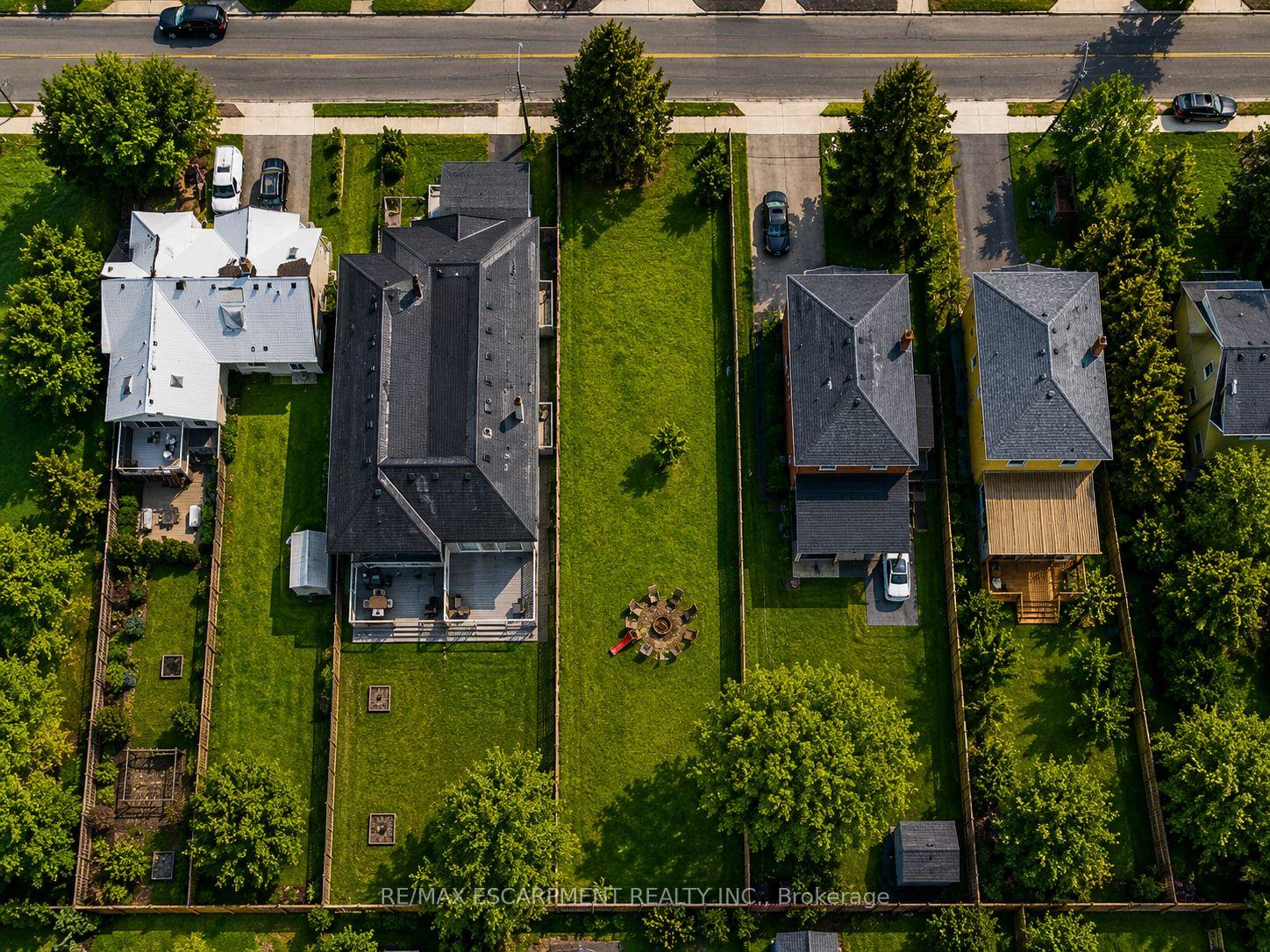
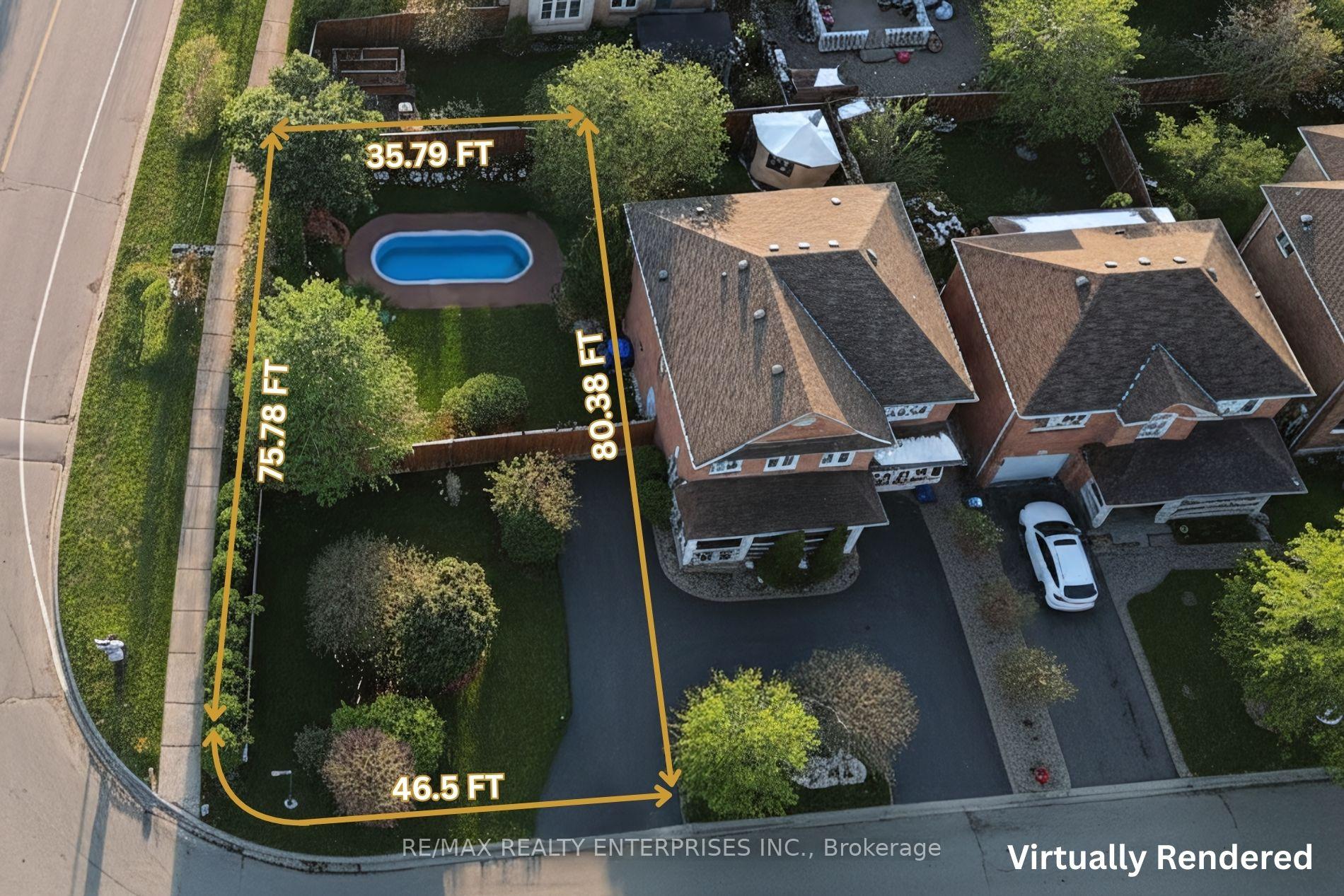
Severing a land parcel (a formal process known as a Consent application) to split one lot into two or more buildable titles is a common strategy in Mississauga, but approval is far from automatic. Your application will be evaluated by the City of Mississauga's Committee of Adjustment to determine if the proposed lot sizes, frontages, and coverage comply with neighborhood character standards and zoning minimums. Under provincial legislation and city policies promoting "gentle density," splitting larger suburban lots to build semi-detached units, townhomes, or additional residential units (ARUs/garden suites) is increasingly supported, provided the proposed plan accommodates adequate parking, tree canopy preservation, and stormwater management.
Buying land comes with its own set of questions—zoning, permits, servicing, and what you can actually build on a given parcel. It's a different process than buying a home, and having someone who knows the local landscape makes all the difference. Whether you're planning to build your dream home, develop a project, or invest for the future, our team can help you understand your options and navigate the details. Reach out today with your questions, and let's figure out the right piece of land for what you have in mind.
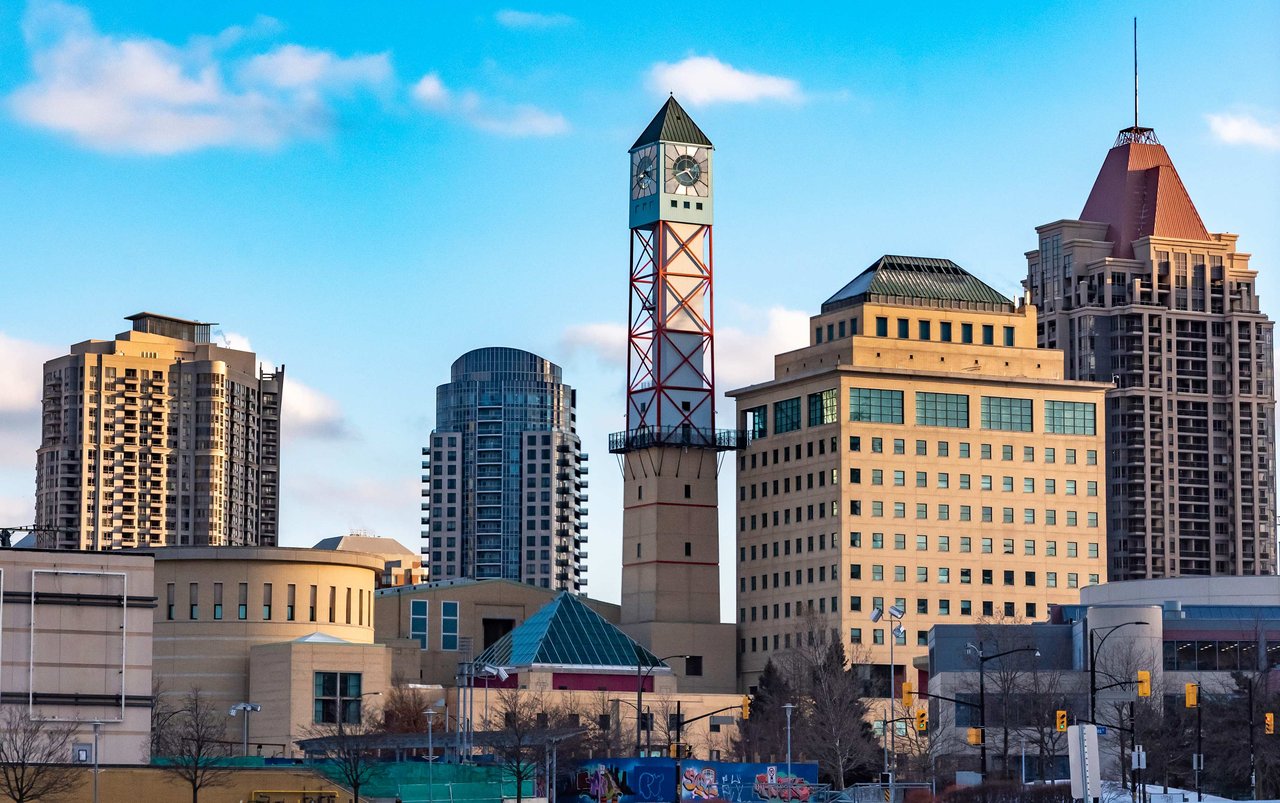
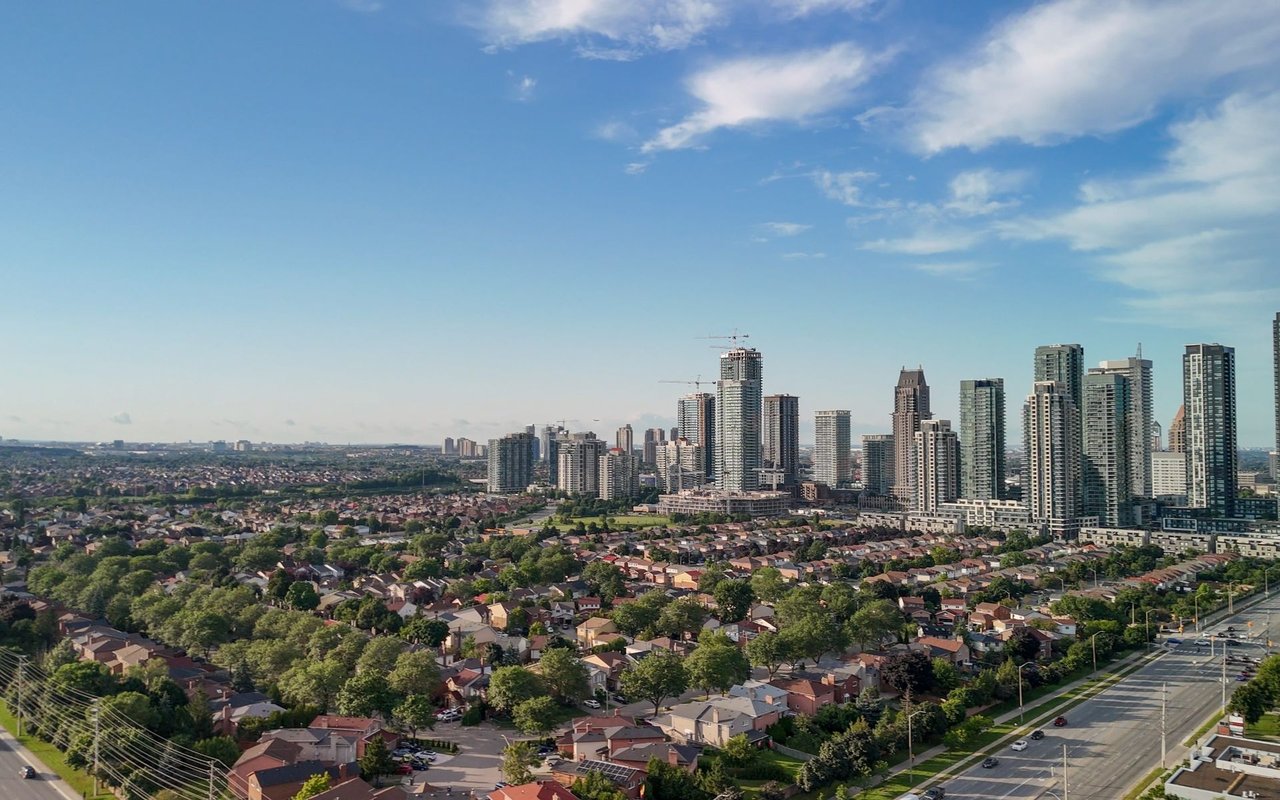
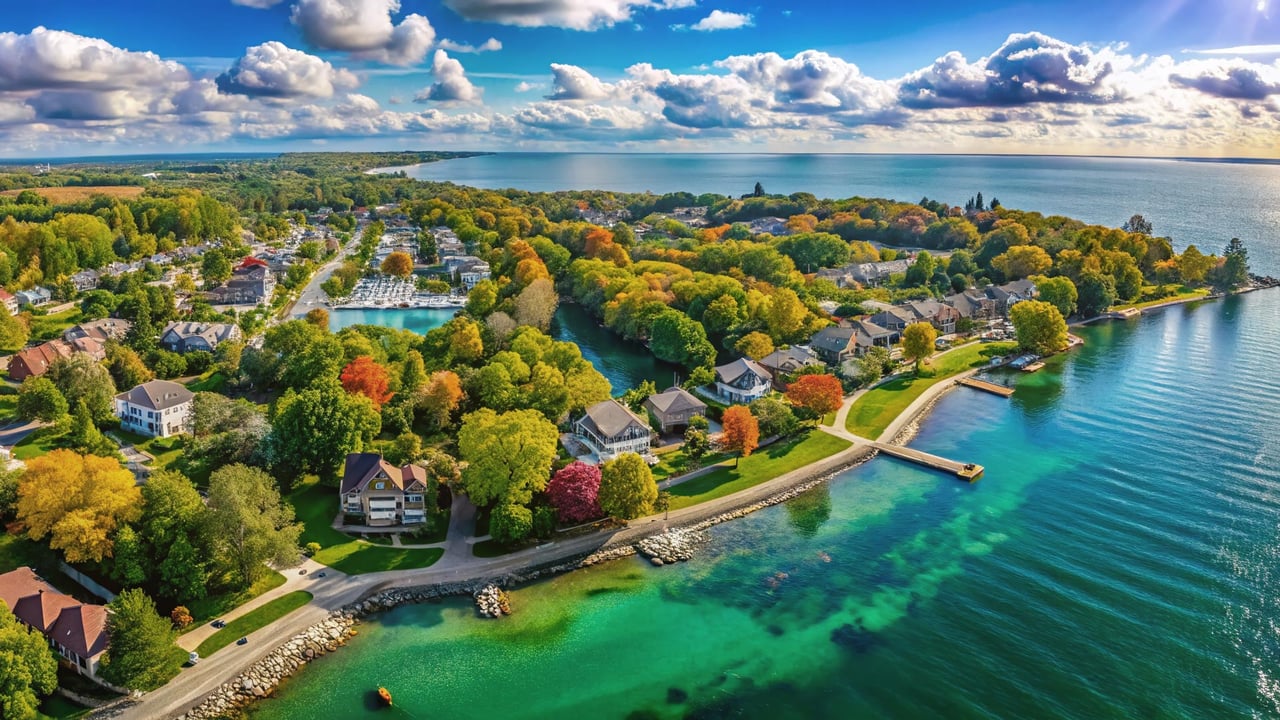
Mississauga is a city of distinct neighbourhoods, each with its own character, amenities, and lifestyle appeal—from the high-rise energy of City Centre to the waterfront charm of Port Credit and the family-friendly streets of Streetsville. Whether you're searching for the perfect place to call home or simply getting to know the area, our Mississauga neighbourhood guide breaks down what makes each community unique. Browse the guide below to discover the neighbourhoods that best match your lifestyle, budget, and goals.