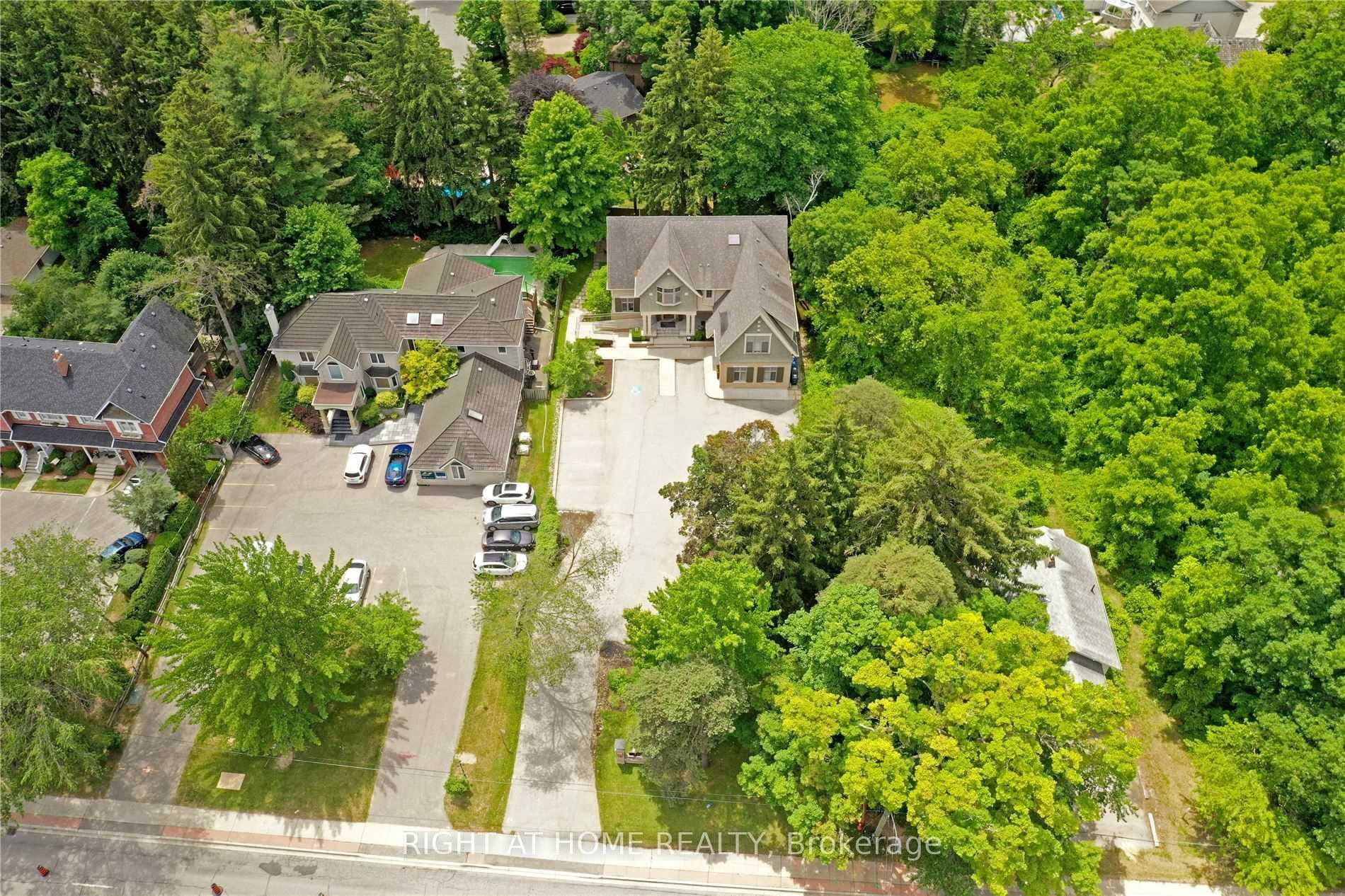
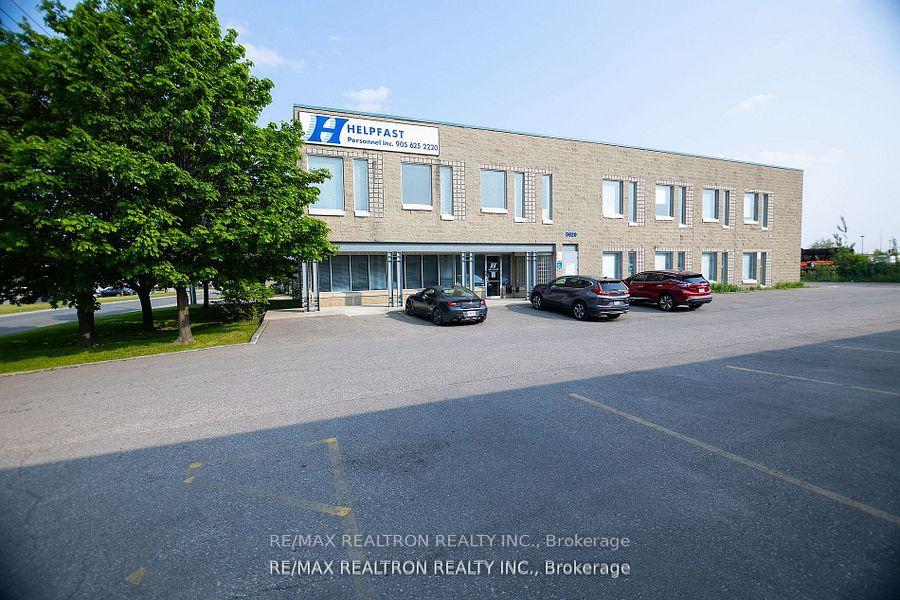
Mississauga townhomes deliver the space and privacy of a house at a more accessible price point, ideal for first-time buyers and growing families wanting room to grow.
Mississauga, ON Housing Market Trends
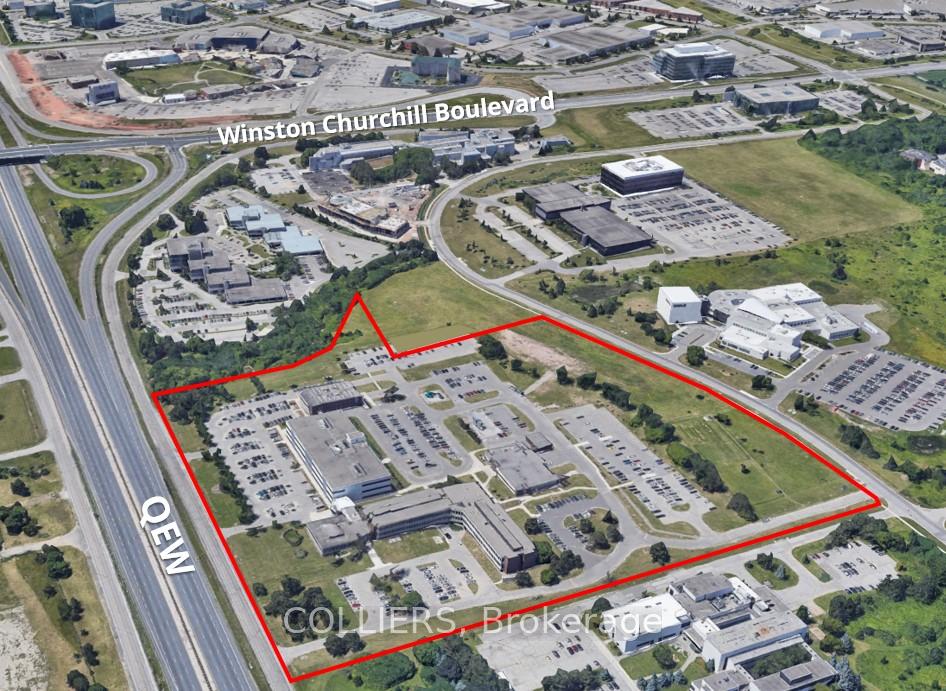
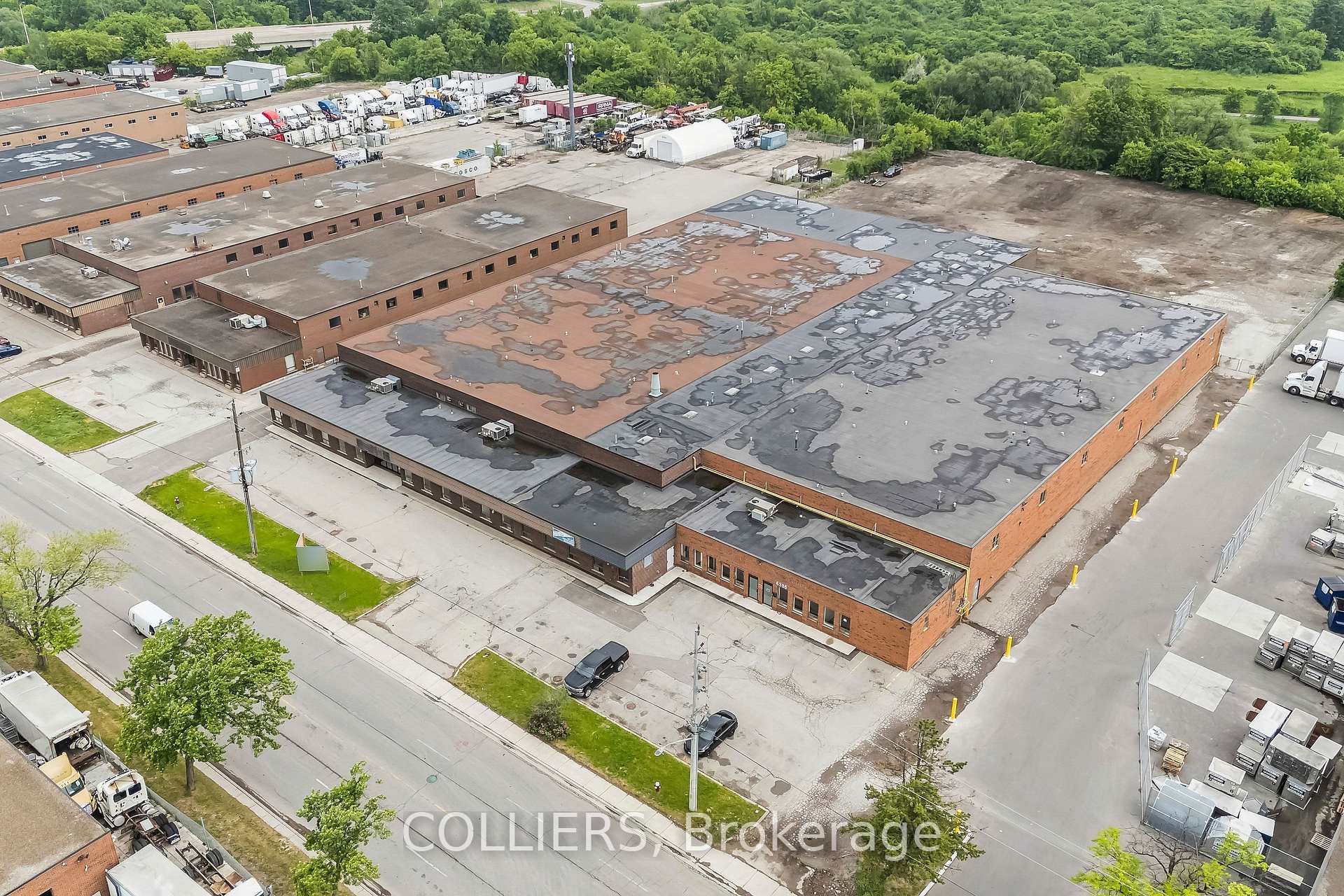
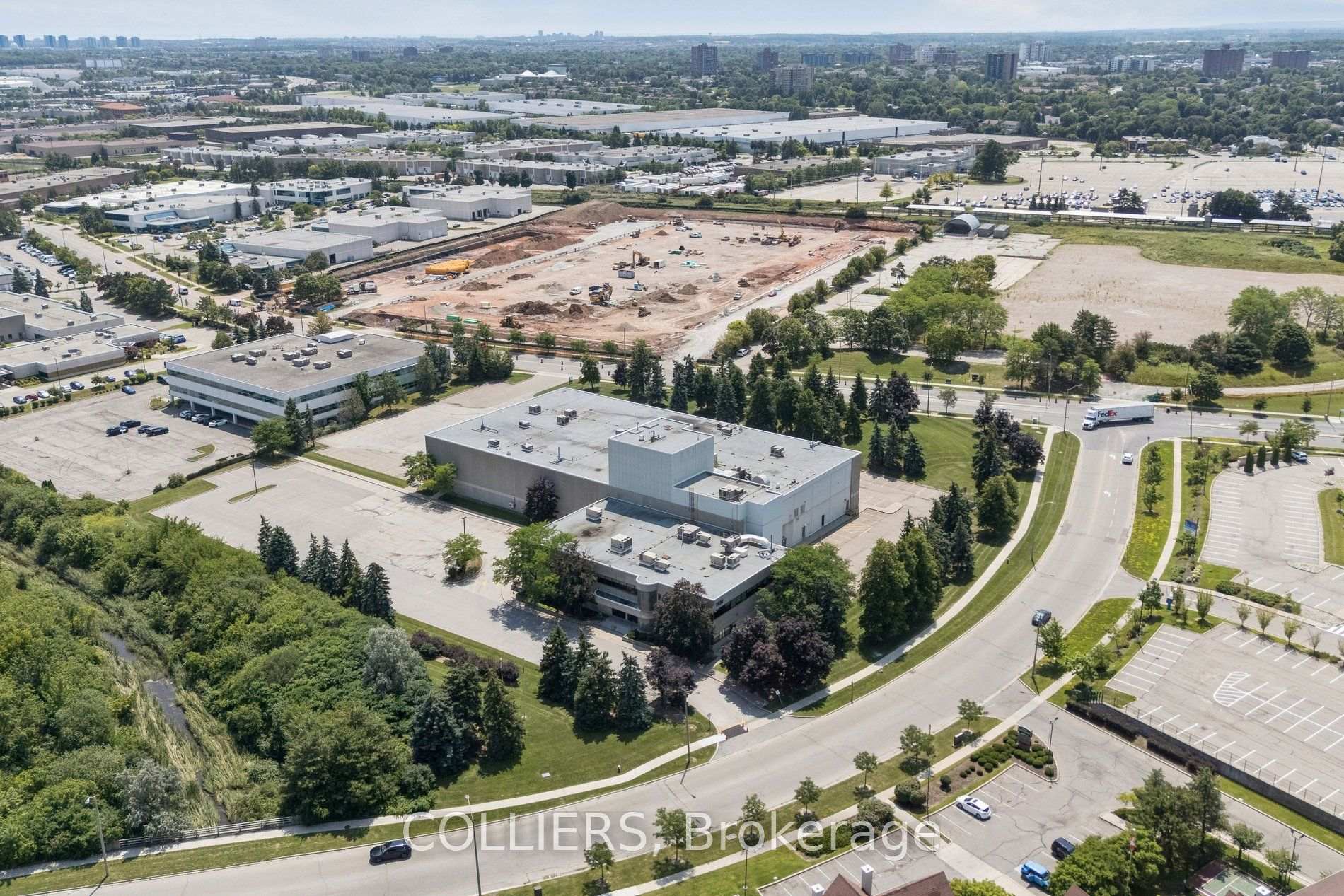
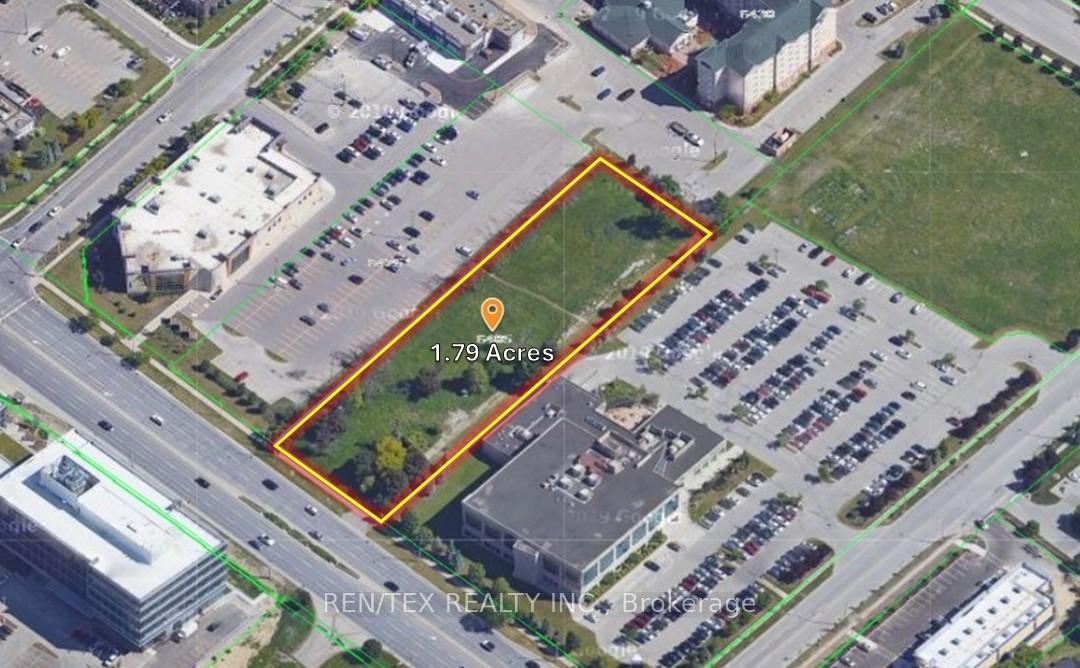
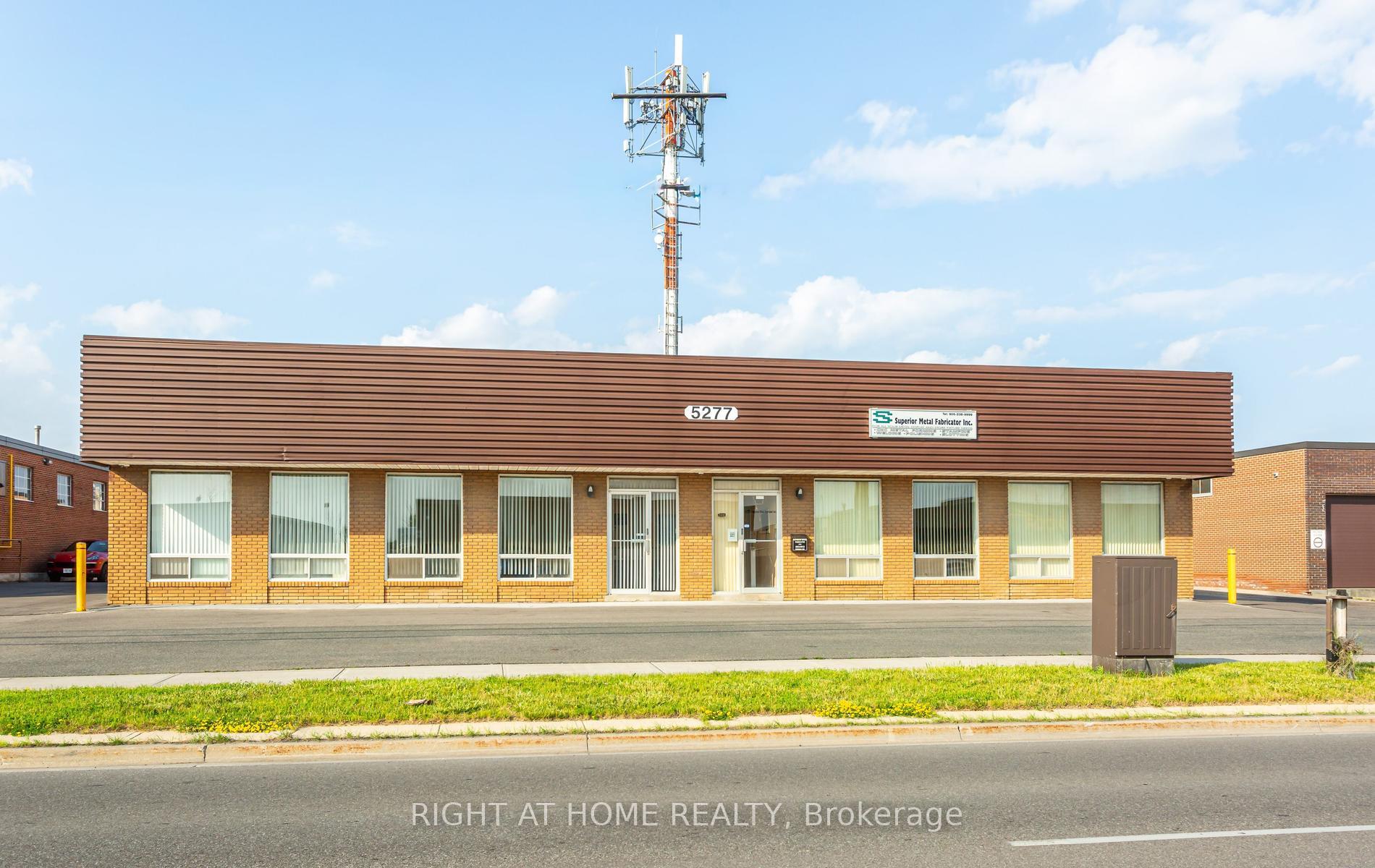
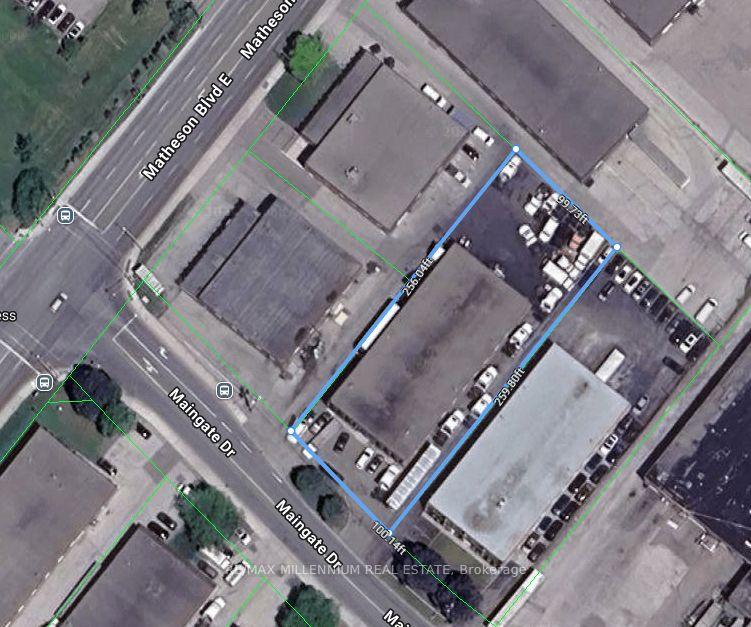
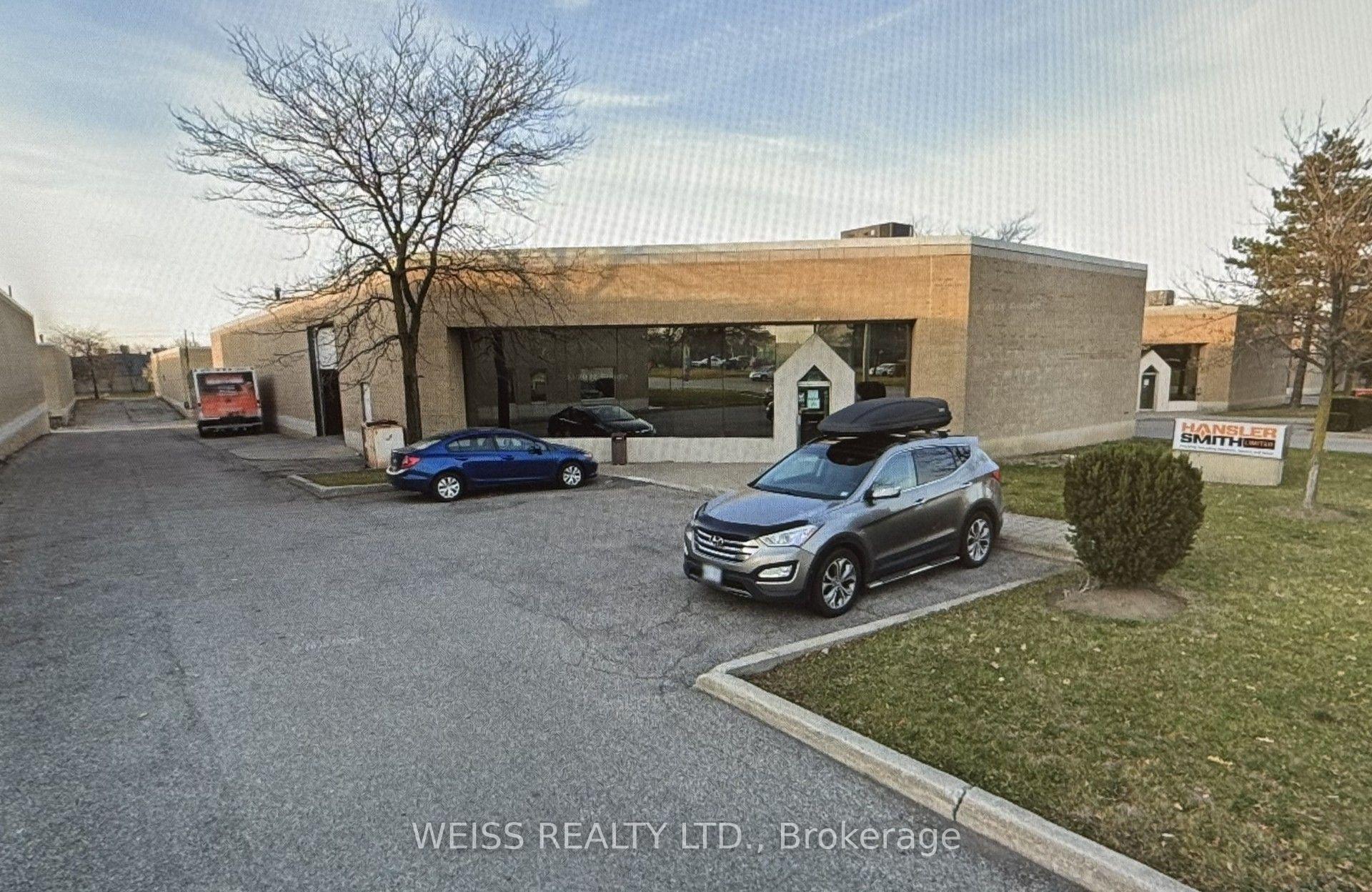
Mississauga encompasses Canada’s largest commercial transport hub, wrapping directly around Toronto Pearson International Airport. For commercial industrial real estate—including warehousing, distribution centers, cold storage, and last-mile fulfillment—this location is irreplaceable. The city is bisected by five 400-series highways (401, 403, 407, 410, and 427) and two national transcontinental rail lines. Unlike secondary markets or distant suburban hubs elsewhere in the province, a commercial facility in Mississauga allows business tenants to reach over two-thirds of the Canadian population and major U.S. border crossings within a single day’s drive. This geographic concentration ensures unrelenting occupier demand, low vacancy rates, and steady rental rate growth across the city's key employment zones like the Airport Corporate Centre and Gateway.
While many major cities across Canada rely heavily on a single economic driver—such as government in Ottawa or resource extraction in Western Canada—Mississauga boasts a highly diversified, recession-resilient commercial tenant base. It is home to the national headquarters of over 70 Fortune 500 companies, a massive "Life Sciences Hub" employing tens of thousands in pharmaceuticals and medical tech in areas like Meadowvale, and an expanding advanced manufacturing sector. Purchasing office, tech-flex, or retail space here allows commercial landlords to secure long-term, institutional-grade leases with creditworthy corporate tenants, significantly lowering default risk compared to regional commercial markets.
From an capital growth perspective, Mississauga’s commercial sector benefits from strict physical boundary constraints. As a fully built-out municipality bounded by surrounding regions, there is virtually no remaining greenfield land available for sprawl. With the delivery of new speculative commercial space slowing, existing mid-bay and large-bay industrial or commercial properties are seeing heightened tenant demand. Commercial property owners in Mississauga hold an asset class protected by structural supply scarcity; as new construction slows due to land limits and elevated build costs, existing high-quality assets continue to capture premium net rents and strong long-term capital appreciation.
Investing in commercial real estate in Mississauga, Ontario, offers a distinct competitive advantage over almost any other market in Canada, driven by its role as the nation's premier logistics hub, an expanding corporate base, and long-term land supply constraints.
When purchasing commercial property in Mississauga, you pay the Ontario Land Transfer Tax (LTT), which uses a progressive scale that reaches 2% on values over $400,000. Crucially, because Mississauga is in the Region of Peel, you completely avoid Toronto’s local Municipal Land Transfer Tax (MLTT). On a $3 million commercial asset, skipping Toronto's secondary municipal tax saves you nearly $60,000 up front. For ongoing costs, Mississauga’s commercial property tax rate is set as a multiple of the residential tax rate to fund local infrastructure. However, buyers must remember that in commercial leases—specifically Triple Net (NNN) Leases—property taxes are passed directly through to tenants as part of their Additional Rent, shielding property owners from carrying costs when the property is fully occupied.
In Mississauga’s heavily industrial and commercial landscape, environmental liability sits directly with the land owner, regardless of who caused historical contamination. Lenders will always require a Phase I Environmental Site Assessment (ESA) conducted by an environmental engineer to evaluate historical land uses, adjacent properties, and potential spill risks. If the Phase I ESA uncovers red flags—such as past auto-body operations, dry cleaners, chemical storage, or underground fuel tanks—a Phase II ESA involving soil and groundwater testing will be mandated. If hazardous substances are found, you must negotiate environmental remediation escrows, indemnity agreements, or walk away, as cleanup costs in Ontario can quickly escalate into hundreds of thousands of dollars.
Yes, the 13% Harmonized Sales Tax (HST) applies to almost all commercial real estate purchases in Ontario. However, most buyers do not actually pay this out-of-pocket at the closing table. If you are an HST registrant with the Canada Revenue Agency (CRA) prior to closing, you can typically complete an HST Undertaking and Indemnity agreement through your lawyer. This allows you to self-assess the tax on your CRA filing and claim an offsetting Input Tax Credit (ITC), effectively making the transaction tax-neutral at closing. If you purchase the commercial asset under a personal name without an active HST/GST registration, you will be required to pay the full 13% tax on top of the purchase price on closing day.
Unlike residential real estate backed by government default insurance, commercial mortgage underwriting relies heavily on the property's income potential and the borrower's financial strength. Lenders evaluate the Debt Service Coverage Ratio (DSCR), typically requiring a minimum ratio of 1.25x to 1.35x (meaning net operating income must cover the annual mortgage payments by 125% to 135%). Because of this stricter risk assessment, buyers must provide a down payment between 25% and 50%, depending on property type. Industrial mid-bay properties generally secure the most favorable loan-to-value (LTV) terms, whereas suburban office assets or single-tenant retail properties require higher equity contributions due to higher tenant vacancy risks.
In Ontario, you can acquire commercial real estate via an Asset Purchase or a Share Purchase. An Asset Purchase involves buying the physical land and building outright, allowing you to select which existing leases to assume while leaving the seller’s corporate liabilities behind. In a Share Purchase, you buy the shares of the holding company (Corporation) that owns the property. Buyers often consider share sales because they may avoid immediate Land Transfer Tax triggers and preserve favorable existing financing or lease structures. However, share purchases require deeper corporate due diligence, as you assume all historical legal liabilities, tax audits, and operational debts associated with that corporate entity.
If the Mississauga commercial property has existing tenants, you are buying the active leases along with the physical real estate. During your conditional due diligence period, your lawyer must review all active leases and request Tenant Estoppel Certificates. An Estoppel Certificate is a legally binding statement signed by the tenant confirming their current rent amount, lease expiration date, security deposit held, and whether the landlord is in default of any obligations. This step prevents sellers from misrepresenting income and ensures tenants cannot make unrecorded claims—such as claiming entitlement to rent-free periods or prepaid rents—after you take ownership.
Commercial real estate is a significant investment, and the right property can shape the future of your business or portfolio. From understanding location and zoning to weighing lease terms against buying outright, there's a lot to consider—and it helps to have a team that knows the Mississauga market well. Whether you're opening a new location, expanding your operations, or looking for a solid investment opportunity, we're here to answer your questions and guide you toward the right space. Reach out today and let's talk about what you're looking for.

Mississauga is a city of distinct neighbourhoods, each with its own character, amenities, and lifestyle appeal—from the high-rise energy of City Centre to the waterfront charm of Port Credit and the family-friendly streets of Streetsville. Whether you're searching for the perfect place to call home or simply getting to know the area, our Mississauga neighbourhood guide breaks down what makes each community unique. Browse the guide below to discover the neighbourhoods that best match your lifestyle, budget, and goals.